

Lincoln LS Radiator Coolant Hose: A Complete Guide for 2000-2006 Models
Don't let a simple hose failure lead to major engine trouble in your Lincoln LS.
- Always verify if you have the 3.0L V6 or 3.9L V8 engine before ordering, as the hoses are not interchangeable.
- Plan to replace all major plastic cooling components (hoses, thermostat housing, degas bottle) at the same time to prevent repeat failures.
- Be aware of the known V6 upper hose fitment issue where the replacement part may have a larger nipple than the original.
- The cooling system must be properly bled of all air after the repair, or the engine will continue to overheat.
Understanding Radiator Hose Failure in the Lincoln LS

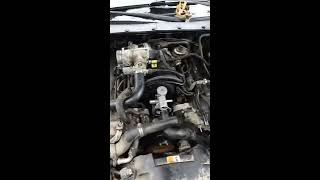
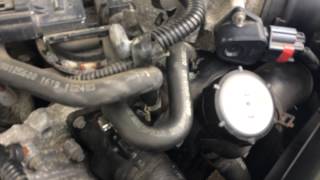
The cooling system in the 2000-2006 Lincoln LS, particularly in the 3.9L V8 models, is known for its complexity and its reliance on plastic components that become brittle over time. While the rubber portion of a hose can soften, swell, or crack, the plastic connectors, tees, and integrated hard pipes are often the first parts to fail. A hairline crack in a plastic fitting can lead to a significant coolant leak and rapid engine overheating. 🎬 Watch: How to identify and repair common V8 cooling issues. Because of this, when one plastic part of the cooling system fails, it's a strong warning sign that the others are not far behind.
V6 vs. V8 Engine: A Critical Difference
You cannot buy the correct hose without knowing which engine your LS has. The 3.0L V6 and 3.9L V8 use different hose shapes, sizes, and assemblies. Always verify your engine before ordering parts.
Symptoms of a Failing Radiator Hose

- Coolant Leaks: Puddles of green or yellow fluid under the front of your car are a tell-tale sign. You may also see white or crusty residue on the hoses or around fittings where coolant has leaked and evaporated.
- Engine Overheating: If a hose fails, you will lose coolant and the engine's temperature will rise quickly. The temperature gauge on your dashboard will spike, and you may see a warning light.
- Steam from Engine Bay: If a hose bursts while driving, hot coolant will spray onto hot engine parts, creating a large plume of white steam.
- Visible Hose Damage: Inspect your hoses. Look for cracks, splits, or soft, spongy spots. Hoses that are bulging or look swollen are at high risk of bursting. A collapsed hose, which may look flattened, can be caused by a bad radiator cap or a blockage in the system.
Choosing the Right Aftermarket Radiator Hose

For the Lincoln LS, several aftermarket brands offer replacement hoses. They generally fall into a few quality tiers.
Premium Aftermarket: Gates & Dayco
Gates and Dayco are well-respected brands that are often considered OEM-equivalent in quality. They use high-quality EPDM rubber that is designed to resist electrochemical degradation, which is a leading cause of internal hose failure. For a critical component like a radiator hose, these brands offer a good balance of quality and price. Many professional mechanics trust and use these brands daily.
Standard Aftermarket / Problem Solvers: Dorman
Dorman specializes in creating replacements for OEM parts, often addressing known failure points. They offer many of the complex hose assemblies for the Lincoln LS that include the plastic tees and connectors. While some mechanics have mixed opinions on Dorman's general quality, they are often one of the few aftermarket sources for these specific, complex assemblies.
Economy Brands: URO Parts
URO Parts is known as a budget-friendly brand. While they offer hoses that are molded to fit, forum discussions among car enthusiasts suggest their quality and longevity can be inconsistent. Some users report URO hoses fitting poorly or failing prematurely. Given the critical nature of radiator hoses and the sensitivity of the LS cooling system, choosing an economy brand may be a risky way to save a small amount of money.
Pro Tip: Replace More Than Just the Hose
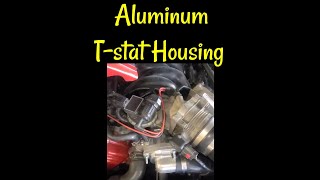
Experienced LS owners and mechanics strongly recommend replacing all major cooling system components at once. This includes the upper and lower radiator hoses, thermostat housing, thermostat, and the coolant recovery (degas) bottle. 🎬 See this walkthrough for replacing the thermostat housing. The plastic on all these parts ages at the same rate, and replacing only the one that failed often leads to another failure soon after. An overheat event from a failed hose can also damage other aging plastic parts.
Known Issues & Common Mistakes

V6 Upper Hose Fitment Problem: Many owners of V6 models have discovered that replacement upper radiator hose assemblies (including the Motorcraft service part) come with a 1-inch nipple for the hose leading to the DCCV, while the original factory part on many cars had a 3/4-inch nipple. This creates a fitment issue. The correct solution is to also replace the corresponding DCCV hose with the updated version that has a 1-inch opening.
Improper Bleeding: The Lincoln LS has a complex, sealed cooling system that must be properly bled to remove all air after being refilled. Trapped air will cause the engine to overheat, even if all the parts are new. The procedure involves opening specific air bleed valves. 🎬 Watch: Step-by-step guide to bleeding the V8 cooling system. If you are not familiar with this process, it is best left to a professional.
Replacement Cost
The cost of radiator coolant hoses for the 2000-2006 Lincoln LS can vary significantly based on the specific hose and whether it is a simple hose or a complex assembly with integrated plastic parts.
| Part Type | Estimated Cost |
|---|---|
| New Aftermarket Hose | $14.99 - $185.30 |
| New OEM (Motorcraft) Hose | $45.00 - $250.00+ |
| Shop Labor | $150 - $300 |
*Cost estimates are for the part only and do not include labor, coolant, or other related components. Labor costs can vary by region and the specific hose being replaced.
Frequently Asked Questions (FAQ)
Should I replace all my coolant hoses at the same time?
Yes, this is highly recommended for the Lincoln LS. The plastic components on all hoses and cooling parts age and degrade at a similar rate. Replacing them all at once, along with the thermostat housing and degas bottle, is the best way to ensure reliability and prevent future breakdowns.
Why is my car still overheating after I replaced the bad hose?
The most likely reason is trapped air in the cooling system. The Lincoln LS requires a specific bleeding procedure to remove all air pockets after a coolant service. If the system isn't properly bled, it cannot cool the engine effectively. Another possibility is that the original hose failed because another part, like the thermostat, was stuck closed.
Can I use a V8 hose on my V6, or vice-versa?
No. The engines have completely different layouts, and the hoses are not interchangeable. They are molded into specific shapes and have different diameters and lengths. You must use the correct hose for your specific engine.
What's the deal with all the plastic parts in the cooling system?
During this era, Ford (like many manufacturers) used plastic for complex parts like coolant housings, connectors, and radiator tanks to save weight and cost. Unfortunately, the plastic used in the LS cooling system is known to become very brittle and crack after years of exposure to heat cycles, leading to frequent leaks.
Helpful Videos

Technical Specifications
OEM Part Numbers: XW4Z-8260-CB 3W4Z-8260-BC XW4Z-8286-AA 3W4Z-8286-DB
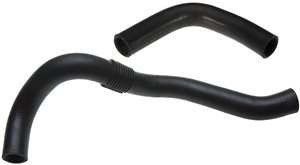
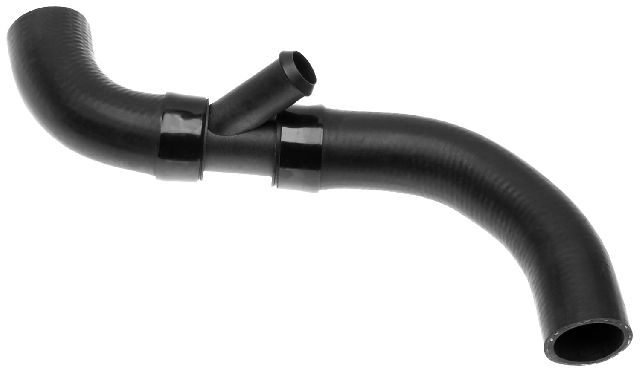
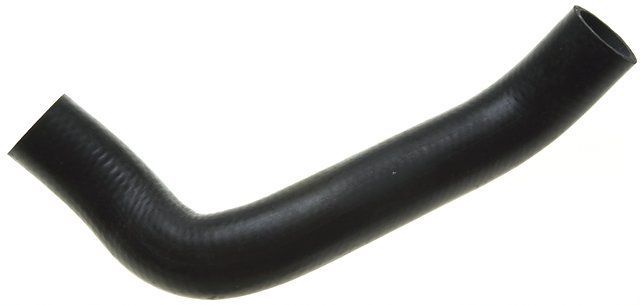
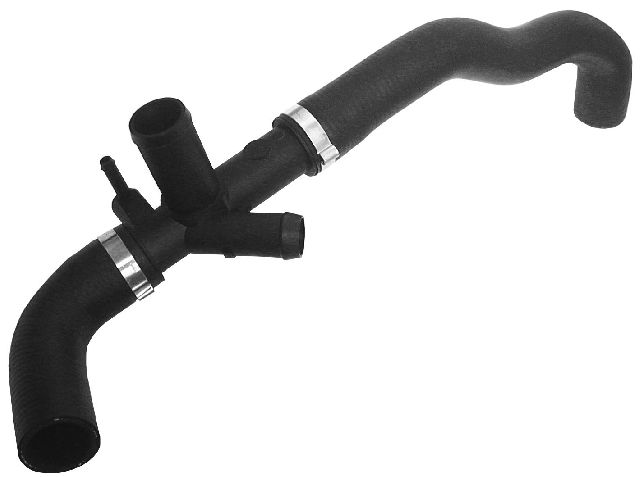
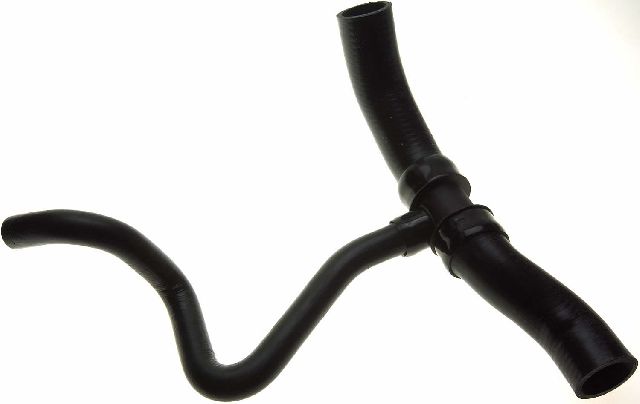
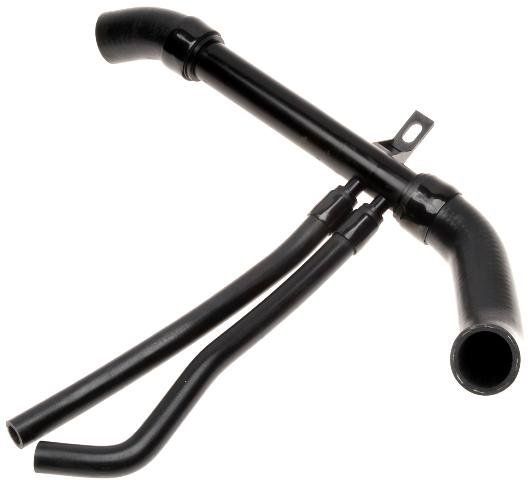
Material: EPDM (Ethylene Propylene Diene Monomer) rubber. Many hoses are complex assemblies with integrated plastic tees and connectors. Engine-specific fitment (3.0L V6 or 3.9L V8).
We Have This Part in Stock

The information in this article is provided for general reference and educational purposes only. Vehicle specifications, procedures, and part compatibility can vary by production date, trim level, and region. Always consult your vehicle's factory service manual and verify part numbers before purchasing or performing repairs. Safety-critical components such as airbags, seat belts, and braking systems should be installed by a qualified professional.
- Lincoln LS:
- 🎬 Helpful Videos
- 🛍️ Shop This Part
- Understanding Radiator Hose Failure in the Lincoln LS
- V6 vs. V8 Engine: A Critical Difference
- Symptoms of a Failing Radiator Hose
- Choosing the Right Aftermarket Radiator Hose
- Premium Aftermarket: Gates & Dayco
- Standard Aftermarket / Problem Solvers: Dorman
- Economy Brands: URO Parts
- Pro Tip: Replace More Than Just the Hose
- Known Issues & Common Mistakes
- Replacement Cost
- Frequently Asked Questions (FAQ)
- 🎟️ Get 5% Off