

A Guide to the 2000-2007 Audi TT HVAC Heater Hose
Losing heat or spotting coolant leaks? Your Mk1 TT's heater hoses might be the problem.
- Heater hose failure is common on the Mk1 Audi TT due to age and can lead to critical engine overheating.
- Always inspect the plastic coolant flanges and firewall connectors, as they often fail before the rubber hose itself.
- Quality aftermarket brands like CRP/Rein and Gates are reliable, cost-effective alternatives to expensive OEM parts.
- Do not drive your car if you suspect a significant coolant leak, as it can cause severe engine damage.
Is Your Audi TT's Heater Hose Failing?
As the first-generation Audi TT (Mk1) ages, its rubber and plastic components begin to wear out. The HVAC heater hoses, which live in a hot, cramped engine bay, are a common failure point. They are constantly exposed to high temperatures and pressure, causing the rubber to crack, swell, or turn spongy over time. A failure isn't just an inconvenience that leaves you without heat; it can cause a significant coolant leak, leading to engine damage.
Symptoms of a Bad Heater Hose
- Coolant Leak: This is the most obvious sign. You may find a puddle of sweet-smelling pink or purple coolant under your car, often on the passenger side near the firewall.
- No Heat in the Cabin: If hot coolant can't reach the heater core, your vents will only blow cold air.
- Engine Overheating: A leaking hose can cause the coolant level to drop, leading to the engine temperature gauge rising into the red. This is a critical symptom that requires you to stop driving immediately.
- Low Coolant Warning Light: A persistent leak will eventually trigger the low coolant warning on your instrument cluster.
- Steam from Under the Hood: If coolant leaks onto the hot engine or exhaust, it will create steam.
Check the Plastic Flanges and Connectors!
On the 1.8T and 3.2L engines used in the Mk1 TT, it's extremely common for the plastic hose connectors to fail before the hose itself. These plastic parts, especially the coolant flange on the side of the engine and the couplers at the firewall, become brittle with age and can crack, causing a massive leak. Before ordering a new hose, carefully inspect all related plastic fittings for hairline cracks or signs of leaking.
Choosing the Right Aftermarket Heater Hose
You do not need to buy a hose from an Audi dealer to get a quality part. Reputable aftermarket brands offer excellent, reliable replacements that often meet or exceed original equipment (OE) specifications for a fraction of the price. For the 2000-2007 Audi TT, your primary aftermarket choices are CRP (often sold as Rein) and Gates.
- CRP (Rein): Rein is a well-known brand for European car parts and is often an Original Equipment Manufacturer (OEM) for companies like Audi. This means they may have made the original part for your TT. Their hoses are designed to be a direct, OE-quality replacement.
- Gates: Gates is a global leader in belts and hoses, known for high-quality rubber products. A Gates hose is a durable, reliable choice that you can trust to fit and perform correctly. In some cases, users report that the fit and finish of Gates hoses are excellent, sometimes better than other aftermarket options.
Pro Tip: Since both CRP/Rein and Gates are trusted brands, your choice can confidently be based on price and availability. Given the age of the vehicle, if one hose has failed, the others are likely nearing the end of their life. Consider replacing related hoses and the failure-prone plastic connectors at the same time to avoid doing the same job twice.
HVAC Heater Hose Replacement Cost for 2000-2007 Audi TT
| Part Type | Price Range |
|---|---|
| New Aftermarket Heater Hose (CRP, Gates) | $23.45 - $132.11 |
| New OEM Audi Heater Hose Assembly | $100 - $300+ |
| Shop Labor | $225 - $375 |
Note: Prices are estimates and can vary based on the specific hose needed, your location, and the repair shop's labor rates. The wide price range for aftermarket parts reflects the variety of different hoses and assemblies available for the TT.
Frequently Asked Questions
Can I replace the Audi TT heater hose myself?
Yes, this is a DIY-feasible job for someone with moderate mechanical skills. The main challenge is the tight access to the hose connections at the firewall. You will likely need to remove the battery and battery tray to get enough room to work. Having tools like long-reach hose clamp pliers will make the job much easier.
Why is there such a big price difference in the hoses?
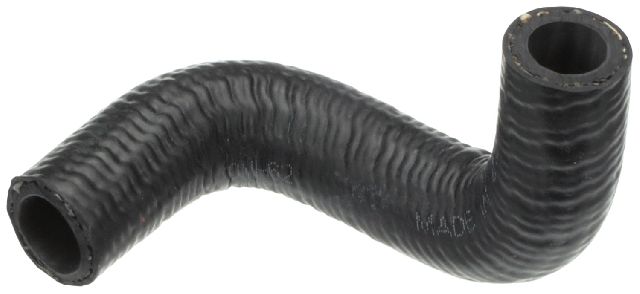
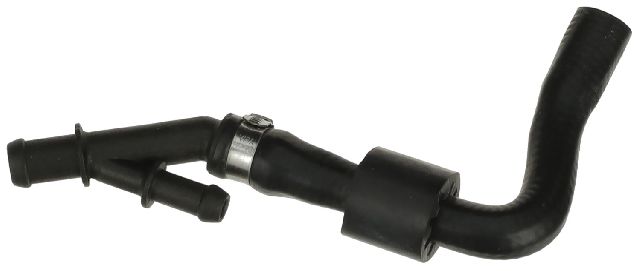
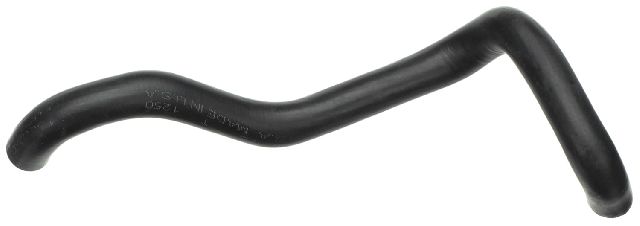
The 2000-2007 Audi TT has several different heater hoses. There is an inlet hose and an outlet hose, and some replacement parts come as assemblies with new plastic quick-connect fittings, which increases the cost. Be sure to identify exactly which hose is leaking before you order a replacement.
My heater is blowing cold, but I don't see a leak. What's wrong?
If you have no heat but no visible coolant leak, your heater core may be clogged. Over time, sediment from the cooling system can build up and block the small passages inside the heater core. A TSB for other Audi models notes that contaminated coolant can cause this. You can try flushing the heater core, but if it's severely blocked, it may need to be replaced.
Are there any recalls for the heater hoses on the Audi TT?
No, there have been no safety recalls issued by the NHTSA for the HVAC heater hoses on the 2000-2007 Audi TT. Failures of this part are considered normal wear and tear due to age and mileage.
Technical Specifications
OEM Part Numbers: 1J0121156AT 8N0122101A 1J0122291D 3B0122291B
Vehicle-specific molded rubber hoses, some with plastic quick-connect fittings. Requires G12, G12+, or G13 equivalent coolant.
We Have This Part in Stock

The information in this article is provided for general reference and educational purposes only. Vehicle specifications, procedures, and part compatibility can vary by production date, trim level, and region. Always consult your vehicle's factory service manual and verify part numbers before purchasing or performing repairs. Safety-critical components such as airbags, seat belts, and braking systems should be installed by a qualified professional.
- Audi TT: