

Audi TT (2000-2009) Secondary Air Injection Control Valve: A Complete Guide
Fix that check engine light and pass your emissions test by understanding the Secondary Air Injection Control Valve in your TT.
- A Check Engine Light with code P0411 is the most common sign of a failing SAI valve or system.
- Driving with a bad valve is safe, but you will not pass an emissions test.
- Before replacing the valve, inspect the hoses for cracks and listen for the air pump running on a cold start to diagnose the whole system.
- TSBs indicate that carbon buildup in the cylinder head can mimic a bad valve, requiring a professional cleaning procedure.
Symptoms of a Failing SAI Control Valve
When the Secondary Air Injection Control Valve fails, your TT will give you a few clear signs. The most common is a Check Engine Light on your dashboard. You might also notice a loud whining or vacuum cleaner-like noise for the first minute after a cold start, which is often the sound of the associated SAI pump failing. In some cases, a bad valve can cause a brief period of rough running or hesitation right after starting the engine.
Will I Fail My Emissions Test?
Yes. A Check Engine Light caused by a fault in the secondary air injection system, such as an incorrect flow code (P0411), will result in an automatic emissions test failure. Even if the car drives perfectly fine, the active fault code prevents it from passing inspection.
Choosing the Right Aftermarket Valve for Your TT
For the 2000-2009 Audi TT, the SAI control valve is a common replacement item. While an OEM part from the dealer is an option, high-quality aftermarket parts offer excellent value. The key is choosing a reputable brand.
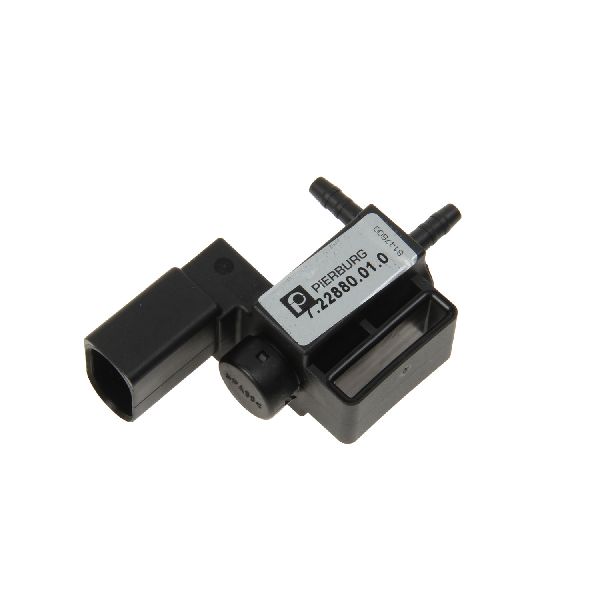
- Hella: Hella is a well-respected German brand that often manufactures parts for Audi and other European carmakers. Choosing a Hella valve is often very close to buying the OEM part itself, ensuring excellent fit and long-term reliability. Pierburg is another OEM-level supplier for this part.
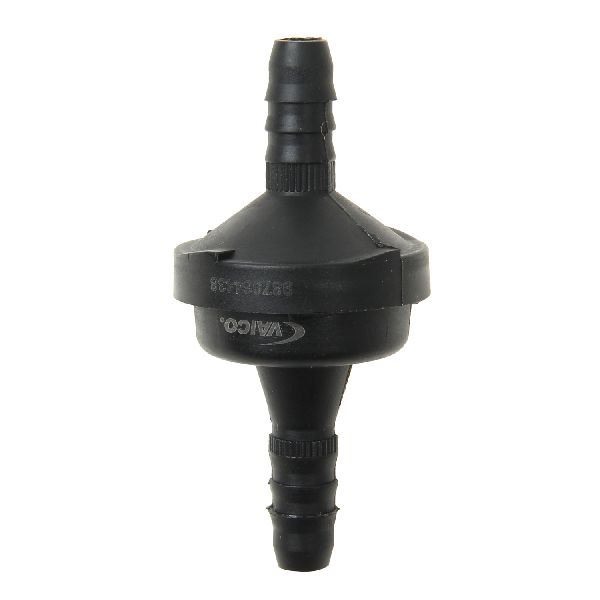
- Vaico: Vaico is a popular aftermarket brand that provides a more budget-friendly option. While generally considered a step below OEM suppliers like Hella, Vaico parts can be a good choice for owners looking for a cost-effective repair. However, some forum discussions suggest that for critical components, sticking closer to OEM quality is a safer bet.
Pro Tip: Check the Whole System
The SAI system has several components that can fail. Besides the valve, the secondary air pump itself can seize (often from moisture), relays can burn out, and the plastic or rubber hoses can crack and leak. Before replacing the valve, it's wise to inspect the hoses for cracks and confirm the pump runs on a cold start. Sometimes, replacing a faulty pump and valve at the same time is recommended.
Cost of Replacing the SAI Control Valve (2000-2009 Audi TT)
| Part Type | Estimated Cost |
|---|---|
| New Aftermarket (Vaico, etc.) | $14 - $75 |
| New Aftermarket (Hella, Pierburg) | $75 - $151 |
| Shop Labor | $100 - $200 |
Frequently Asked Questions
What is the difference between the SAI pump and the SAI valve?
The SAI pump is an electric motor that generates the flow of fresh air. The SAI control valve (or combi valve) is the component that opens and closes to allow that air into the exhaust manifold. The pump creates the air, and the valve directs it.
Where is the SAI control valve located on my Audi TT?
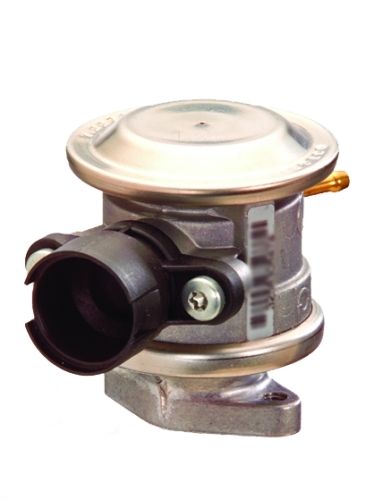
On the Mk1 Audi TT 1.8T engine, the SAI control valve is a round, metallic, can-shaped part bolted to the end of the cylinder head, often near the dipstick tube. It will have a vacuum hose and a larger air hose connected to it.
Are there any recalls for the Audi TT SAI valve?
No, there are no specific recalls for the secondary air injection valve or pump on the 2000-2009 Audi TT. Searches on the NHTSA database show recalls for this period related to airbags, but not the SAI system.
What are TSBs and are there any for this part?
A Technical Service Bulletin (TSB) is a document from the manufacturer to its dealers about known issues. For the Audi TT, there are TSBs related to the secondary air system that mention carbon buildup restricting the air ports in the cylinder head, which can cause the same P0411 and P0491/P0492 codes as a bad valve. This requires a specific cleaning procedure and may not be solved by just replacing the valve.
Technical Specifications
OEM Part Numbers: 06A131102A 06A131102F 06A131102H
Also known as a Combi Valve. This is a vacuum-actuated valve that directs air from the SAI pump into the exhaust manifold. It is typically mounted directly to the cylinder head on the 1.8T engine.
We Have This Part in Stock

The information in this article is provided for general reference and educational purposes only. Vehicle specifications, procedures, and part compatibility can vary by production date, trim level, and region. Always consult your vehicle's factory service manual and verify part numbers before purchasing or performing repairs. Safety-critical components such as airbags, seat belts, and braking systems should be installed by a qualified professional.
- Audi TT: