

Honda S2000 A/C System O-Ring and Gasket Kit Guide (2000-2009)
If your S2000's A/C isn't blowing cold anymore, aging rubber seals are the most likely cause.
- Failing o-rings are a very common cause of A/C leaks on the 2000-2009 S2000 due to age and heat.
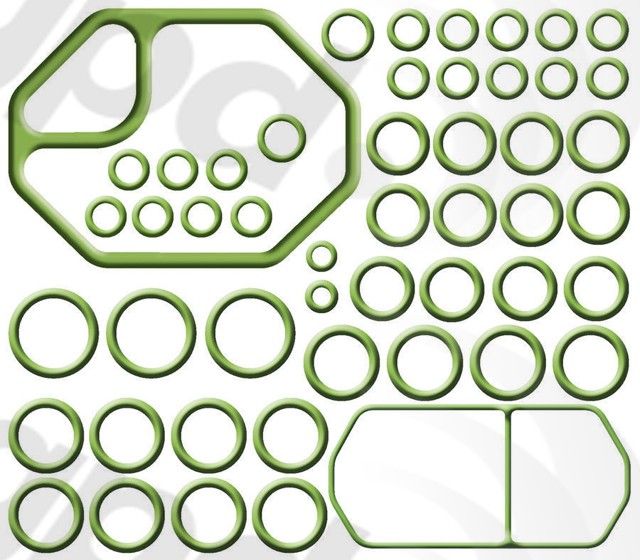
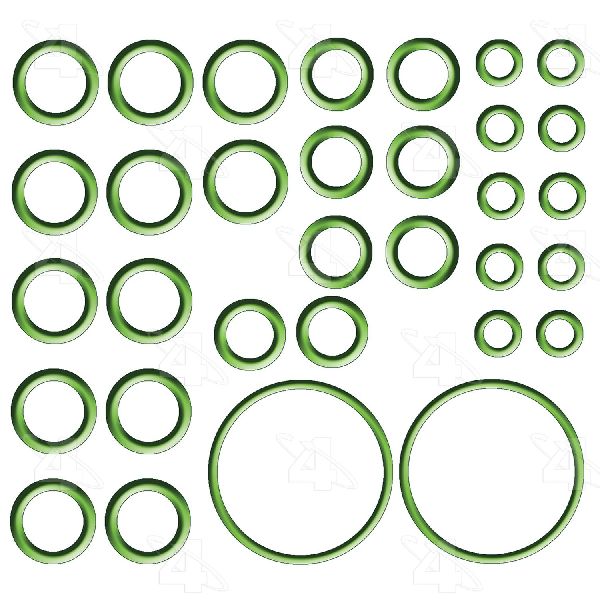
- Aftermarket kits from brands like Four Seasons or Global Parts are a cost-effective solution, as long as they are made of HNBR material.
- This is not a simple DIY job. The A/C system must be professionally evacuated and recharged with specialized equipment.
- When the system is open, it is best practice to also replace the receiver/drier to ensure long-term reliability.
Why Your S2000 A/C is Leaking
If your 2000-2009 Honda S2000 air conditioning is blowing warm, the problem is often a refrigerant leak. On a car of this age, the most common culprits are the small rubber o-rings and gaskets that seal the system's components. After years of engine heat and vibration, these seals degrade and can no longer hold a pressure-tight seal. While a major component like the compressor or condenser can fail 🎬 Watch: A step-by-step guide to replacing the S2000 A/C compressor., leaks often start at these simple connection points.
Symptoms of Failing A/C O-Rings
- A/C Blows Warm or Cool, Not Cold: This is the most obvious sign. As refrigerant leaks out, the system loses its ability to cool the air effectively.
- Oily Residue at A/C Line Connections: The refrigerant contains a special lubricant called PAG oil. When refrigerant leaks, it carries this oil with it, leaving a greasy, dirt-collecting film on hoses, fittings, or on the subframe directly below the A/C compressor.
- Hissing Sound From Engine Bay: A large leak may produce an audible hissing sound as the pressurized refrigerant escapes, though this sound may disappear once the system is empty.
- A/C Compressor Clutch Won't Engage: The A/C system has pressure switches that prevent the compressor from turning on if the refrigerant level is too low. This is a safety feature to prevent damage to the compressor.
Professional Service Required
Replacing A/C o-rings requires more than just hand tools. The system must be professionally evacuated to safely recover any remaining refrigerant. After replacing the seals, a deep vacuum must be pulled to remove air and moisture before recharging with the exact weight of refrigerant and oil. Attempting to do this without the proper equipment can damage the A/C system and is harmful to the environment.
Choosing the Right Aftermarket O-Ring Kit
For a part like an o-ring kit, you don't need to pay a premium for an OEM part. Aftermarket kits from reputable brands offer excellent value and reliability, provided they use the correct materials. The key is to ensure the kit is made from HNBR (Hydrogenated Nitrile) rubber. This material is specifically designed to withstand the chemicals in modern R134a refrigerant and PAG oil, unlike standard black nitrile rubber.
- Four Seasons & Global Parts (GPD): Both brands offer vehicle-specific kits for the S2000 that contain all the necessary seals for a complete system overhaul. They are well-known in the aftermarket industry and provide a cost-effective solution that meets or exceeds the original specifications. For a complete set of seals, these aftermarket kits are a reliable and affordable choice.
Pro Tip: Replace the Receiver/Drier
Whenever the A/C system is opened to the atmosphere, it's highly recommended to also replace the receiver/drier (also called the desiccant bag). This component absorbs moisture from the refrigerant. A new one costs little but is critical for the long-term health and performance of your A/C system.
Cost to Replace Honda S2000 A/C O-Rings
The cost of the o-ring kit itself is very low, but the total job cost is higher due to the required labor for A/C service.
| Part/Service | Estimated Cost |
|---|---|
| Aftermarket A/C O-Ring Kit | $18 - $25 |
| Shop Labor (Evacuate & Recharge) | $150 - $250 |
| Total Estimated Cost | $168 - $275 |
Costs are estimates and can vary by location and shop. This does not include the cost of replacing other components if they are found to be leaking.
Frequently Asked Questions
Can't I just add a can of refrigerant from the auto parts store?
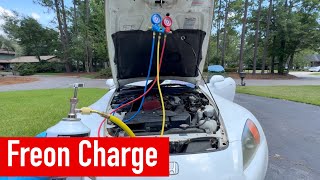
This is not recommended. Those cans are a temporary fix at best and can lead to bigger problems. They don't fix the underlying leak, and overcharging the system can cause damage. The S2000 system requires a very specific amount of refrigerant 🎬 See how to properly charge the S2000 with Freon. (19.4-21.2 oz) to work correctly.
What are the most common leak points on the S2000?
Based on owner reports, the most common areas to check for leaks are the compressor shaft seal (look for oil on the subframe below it) and the high-pressure line fittings. The Schrader valves on the service ports and the evaporator core are other potential, but less frequent, leak sources.
Is this a good DIY project for a beginner?
No. Due to the need for expensive, specialized equipment like a refrigerant recovery machine and vacuum pump, this job is best left to a professional A/C technician. While you could physically swap the o-rings yourself, the system must be properly evacuated and recharged 🎬 Watch: A quick walkthrough of the professional A/C recharge process. by a shop.
Do I need to add oil when replacing the o-rings?
Yes, a small amount of PAG 46 oil should be applied to the new o-rings before installation. This lubricates them, ensuring they don't tear or get pinched during tightening and helps create a better seal. When the shop recharges the system, they will add the correct amount of oil back into the system to compensate for any that was lost.
Helpful Videos

Technical Specifications
Refrigerant Type: R134a Refrigerant Capacity: 550-600 g (19.4-21.2 oz) Required O-Ring Material: HNBR (Hydrogenated Nitrile)
We Have This Part in Stock

The information in this article is provided for general reference and educational purposes only. Vehicle specifications, procedures, and part compatibility can vary by production date, trim level, and region. Always consult your vehicle's factory service manual and verify part numbers before purchasing or performing repairs. Safety-critical components such as airbags, seat belts, and braking systems should be installed by a qualified professional.
- Honda S2000: