

Honda Odyssey Engine Intake Manifold Gasket Guide (2000-2011)
Fixing rough idling, vacuum leaks, and Check Engine Lights on your Odyssey often starts with these critical gaskets.
- Symptoms often include a rough idle, poor performance, and Check Engine Light codes P0171 and P0174.
- Always inspect the rubber air intake boot for cracks first, as it can cause identical symptoms and is easier to fix.
- It is critical to replace both the upper (plenum) and lower intake gaskets at the same time for a complete repair.
- Using a quality aftermarket brand like Beck Arnley or Victor Reinz is a reliable alternative to more expensive OEM parts.
Is Your Odyssey Running Rough? It Could Be the Intake Gasket


If your 2000-2011 Honda Odyssey has developed a rough idle, poor acceleration, or a mysterious Check Engine Light, a failing intake manifold gasket is a common culprit. These gaskets live in a high-heat environment and can become hard and brittle over time, leading to leaks. A leak allows extra, un-measured air into the engine, which the engine's computer can't account for. This leads to a 'lean' condition (too much air, not enough fuel), causing a variety of performance issues.
Don't Ignore a Cracked Intake Boot!
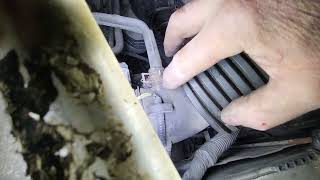
While inspecting your intake gaskets, pay close attention to the large rubber air intake boot that connects the air filter box to the throttle body. These are known to crack with age on Odysseys, creating a significant vacuum leak that can cause the exact same symptoms as a bad gasket, including lean codes P0171 and P0174. This is a much easier and cheaper part to replace, so always check it first!
🎬 Watch: How to replace a cracked intake tube yourself.Choosing the Right Aftermarket Gasket Set

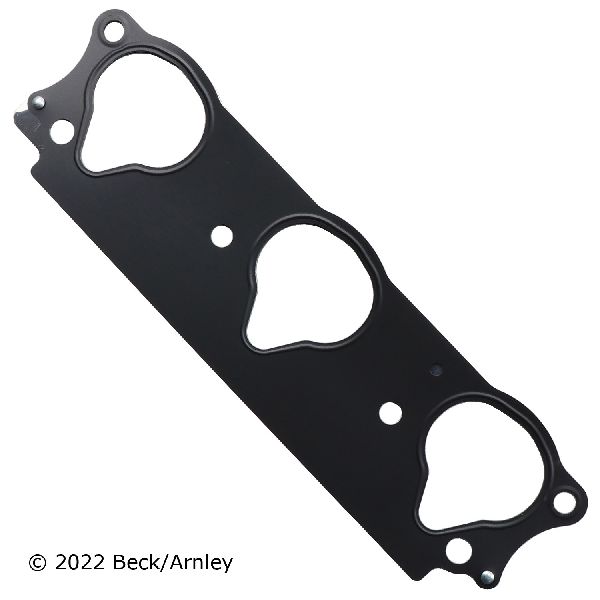
For a part this critical, quality matters. While OEM gaskets from Honda are always an option, high-quality aftermarket brands offer a reliable and more affordable alternative. The key is to choose a reputable manufacturer. The intake system on the J-series V6 is complex, often requiring an upper (plenum) gasket and a set of lower gaskets. It is highly recommended to replace all of them at the same time.
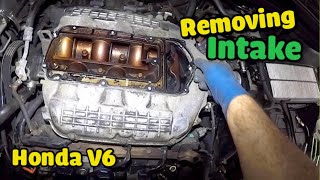
🎬 See this walkthrough for removing the upper intake manifold.- Premium Aftermarket (Beck Arnley, Victor Reinz): These brands are well-regarded in the repair industry. They often serve as original equipment manufacturers for various car brands, and their products are engineered to meet or exceed OEM specifications. For a critical seal, choosing one of these brands provides peace of mind.
- Standard Aftermarket (Apex): Brands like Apex offer a budget-friendly solution. They are manufactured to meet industry standards and can be a good choice for cost-conscious repairs. However, some professional mechanics and DIYers prefer to stick with OEM or premium brands for long-term reliability on critical engine seals.
Pro Tip: When you remove the intake manifold, the intake ports on the cylinder head will be exposed. To prevent bolts, tools, or debris from falling into the engine—which would be catastrophic—stuff clean, lint-free rags into each port immediately after removing the manifold.
Cost of Replacing the Intake Manifold Gasket Set
The cost can be broken down into parts and labor. The gasket sets themselves are not very expensive, but the labor to access them can be significant.
| Item | Estimated Cost |
|---|---|
| New Aftermarket Gasket Set | $33.95 - $80.75 |
| New OEM Gasket Set | $70 - $150 |
| Shop Labor | $159 - $233 |
| Total Professional Replacement | $190 - $315+ |
Costs are estimates and can vary based on your location and the specific repair shop. Labor estimates are based on industry data.
Frequently Asked Questions

Do I need to replace the upper and lower gaskets?
Yes. The job requires removing the upper intake manifold (plenum) to get to the lower gaskets. Since you've already done most of the labor, it is strongly recommended to replace the full set (upper and lower) to avoid having to do the job twice.
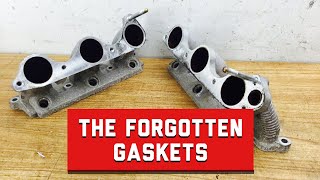
🎬 Watch: Step-by-step guide for replacing lower intake manifold gaskets.Can I reuse my old intake manifold bolts?
In most cases, the bolts for the Honda J-series engine are reusable. However, it is critical to clean them and tighten them to the correct torque specification in the proper sequence to ensure the new gasket seals correctly. Failure to do so can cause leaks or damage the manifold.
Is this a good DIY job for a beginner?
This is a moderately difficult job. While it doesn't require highly specialized tools, it involves disconnecting many hoses, sensors, and electrical connectors. Keeping track of everything and ensuring proper reassembly is key. A beginner should only attempt this with a good repair manual and plenty of time. For most people, this job is best left to an experienced mechanic.
Will a bad intake gasket cause coolant leaks?
On many engines, yes. A failing intake manifold gasket can cause coolant to leak externally or, in a worst-case scenario, internally where it mixes with engine oil. If you have a coolant leak near the top of the engine along with other symptoms, the intake gasket is a strong possibility.
Helpful Videos

Technical Specifications
OEM Part Numbers: 17115-PCA-004 17146-RYE-A01 17146-RKB-003 17146-RGM-A00
Set typically includes upper plenum gasket and lower intake runner gaskets. Material is often multi-layered steel (MLS) or high-temperature rubber/composite.
We Have This Part in Stock


The information in this article is provided for general reference and educational purposes only. Vehicle specifications, procedures, and part compatibility can vary by production date, trim level, and region. Always consult your vehicle's factory service manual and verify part numbers before purchasing or performing repairs. Safety-critical components such as airbags, seat belts, and braking systems should be installed by a qualified professional.
- Honda Odyssey: