

Subaru Outback Automatic Transmission Cooler Guide (2000-2020)
Keep your Outback's conventional automatic or CVT transmission from overheating and avoid expensive repairs.
- Identify if your Outback has a conventional automatic or a CVT, as the cooler design and fluid requirements are different.
- The 'AT OIL TEMP' light is a critical warning; stop driving immediately to prevent catastrophic transmission damage.
- For models with CVTs, especially 2010 Outbacks, check if the cooler hose recall (WVQ-27) was performed.
- An aftermarket cooler from a brand like Hayden can be a cost-effective replacement and a valuable upgrade for towing or heavy use.
Key Differences: Conventional vs. CVT Transmissions
The 2000-2020 Subaru Outback model years span a major technology shift. It's crucial to know which transmission your vehicle has.
- Early Models (Roughly 2000-2012): These Outbacks used a conventional 4-speed or 5-speed automatic transmission. The transmission cooler is often a simple circuit inside the bottom tank of the main engine radiator.
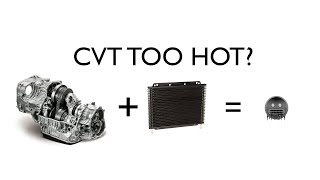
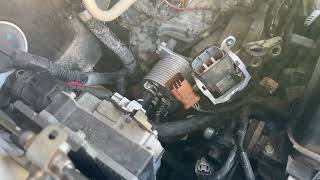
- Later Models (Roughly 2010-2020): Subaru transitioned to the Lineartronic® CVT (Continuously Variable Transmission). These transmissions are more sensitive to fluid temperature and use a more complex cooler/warmer unit mounted on or near the transmission itself. 🎬 See a walkthrough of a Subaru CVT oil cooler replacement This part uses engine coolant to both heat up cold fluid and cool down hot fluid.
Symptoms of a Failing Transmission Oil Cooler
A failing cooler puts your entire transmission at risk. If you notice any of these signs, you should stop driving as soon as it is safe to do so and have the vehicle inspected.
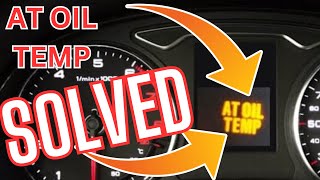
- "AT OIL TEMP" Warning Light: This is the most direct sign your transmission is overheating. Driving with this light on can cause catastrophic damage. 🎬 Watch: Why your AT oil temp light is flashing
- Burning Smell: Overheated transmission fluid has a distinct, sharp burning odor. This means the fluid is breaking down and no longer protecting your transmission's internal parts.
- Fluid Leaks: You may see puddles of red or brownish fluid under the front of your vehicle. A failing cooler or its connecting lines can crack and leak.
- Poor Shifting Performance: When fluid overheats, you may experience slipping gears, delayed or rough shifts, and a feeling of hesitation.
- "Strawberry Milkshake": This is a catastrophic failure where the cooler inside the radiator breaks, allowing engine coolant and transmission fluid to mix. The result is a pink, milky fluid that will destroy both the transmission and cooling system if not addressed immediately.
Known Issues, Recalls, and TSBs
- NHTSA Recall 10V-196 (Subaru Recall WVQ-27): Affects 2010 Outback models. The CVT cooler hoses could crack, leading to a massive fluid leak and transmission failure.
- NHTSA Recall 15V-502: Affects 2015-2016 Legacy and Outback models. A deformed seal cap on the propeller shaft yoke could cause a transmission fluid leak, creating a fire risk if it drips onto the exhaust.
- CVT Warranty Extension: Subaru extended the powertrain warranty for many CVTs to 10 years/100,000 miles due to various issues. This may cover cooler-related failures on eligible vehicles.
- TSB 16-42-90R: This Technical Service Bulletin from Subaru mandates that the transmission cooler must be flushed whenever a transmission is replaced to prevent contamination from destroying the new unit.
Choosing an Aftermarket Transmission Cooler
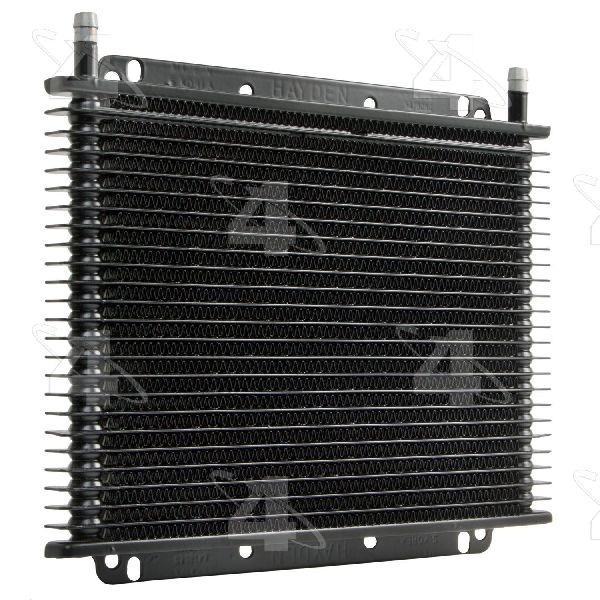
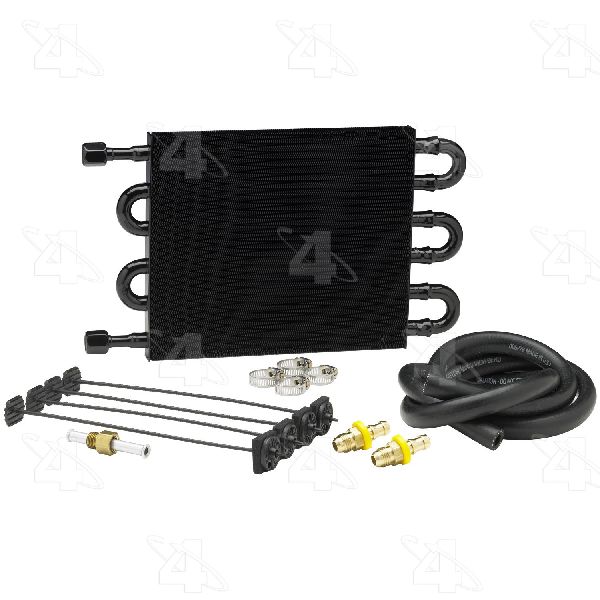
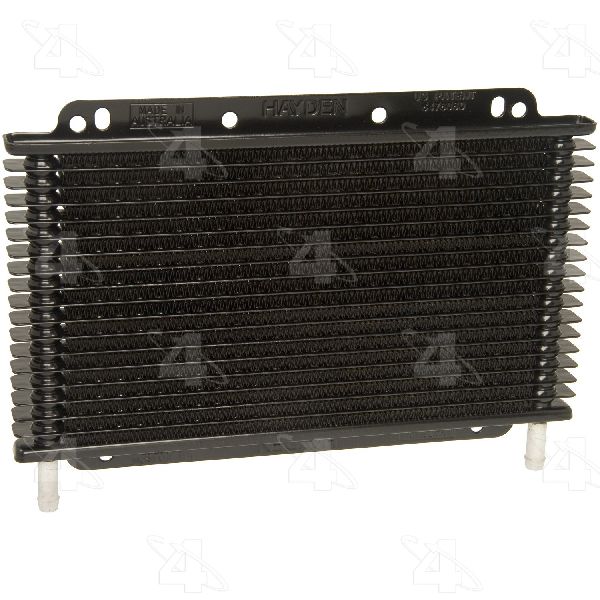
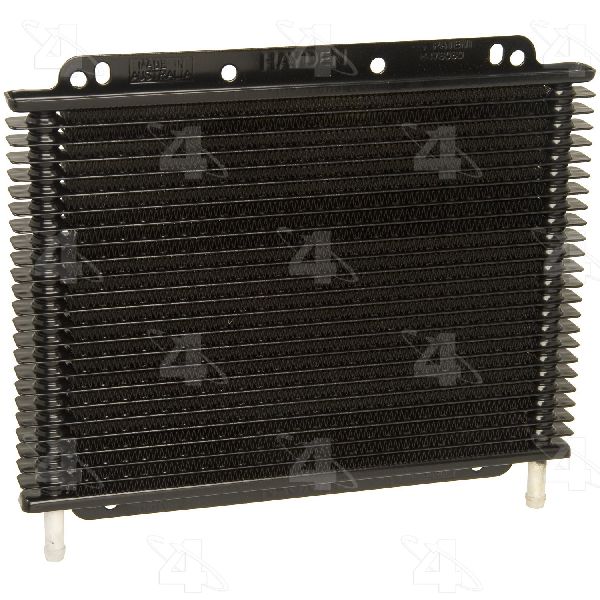
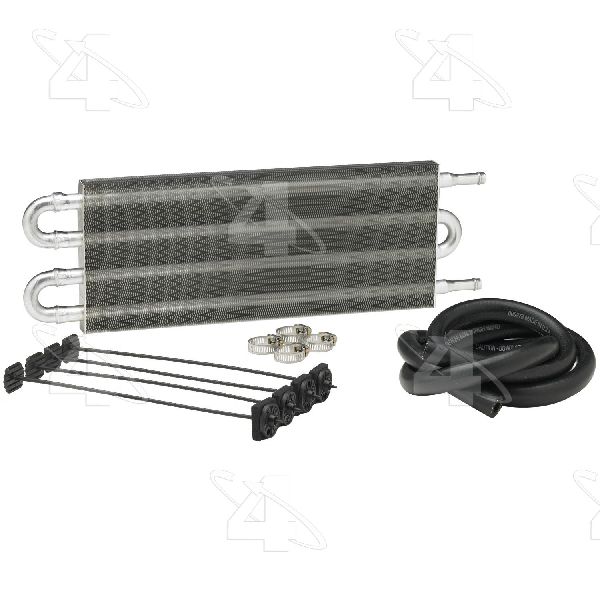
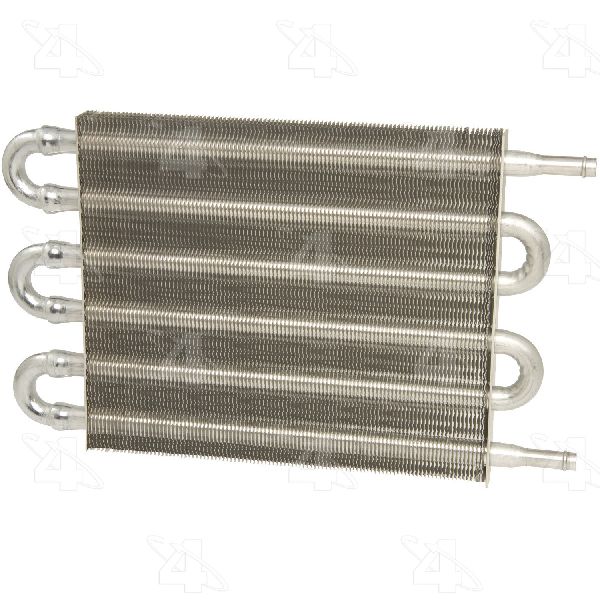
For the Subaru Outback, new aftermarket transmission coolers are a cost-effective and reliable option for replacement or even as an upgrade. Brands like Hayden are well-known in the aftermarket and have been used by DIYers and mechanics for years. Four Seasons and Global Parts offer direct-fit replacement options that meet original specifications.
- Good (Serviceable Replacement): Brands like Four Seasons and Global Parts provide direct-fit coolers that are designed to match the original part's function and are a budget-friendly choice for daily driving.
- Better (Proven Aftermarket): Hayden is a popular and trusted brand for transmission coolers. They offer various designs, including plate-and-fin styles 🎬 Watch: Installing a Hayden 678 cooler on a 4th Gen Outback which are very efficient at cooling.
- Best (Upgrade for Heavy Use): For owners who tow, live in hot climates, or drive in demanding off-road conditions, a larger, heavy-duty aftermarket cooler can provide extra protection. These can lower transmission fluid temperatures significantly compared to the stock unit, extending the life of the CVT or automatic transmission.
| Part Type | Estimated Cost |
|---|---|
| New Aftermarket Cooler | $51 - $124 |
| New OEM Cooler | $250 - $500 |
| Shop Labor for Installation | $170 - $400 |
Pro Tip: When replacing any transmission, Subaru requires that the original cooler and lines be flushed to remove any metal shavings or debris. If you are replacing a failed cooler, it is wise to also flush the lines to ensure no contaminants enter your transmission.
Frequently Asked Questions
Can I upgrade my transmission cooler for towing?
Yes, upgrading to a larger aftermarket transmission cooler is highly recommended if you tow with your Outback or use it for heavy-duty applications like off-roading. A larger cooler can keep fluid temperatures 15-20°F lower under load, which helps extend the life of your transmission.
What is a CVT and why is its temperature so important?
A CVT (Continuously Variable Transmission) doesn't have traditional gears. Instead, it uses a belt and pulley system. This design is very sensitive to the temperature and condition of its special fluid. If the fluid gets too hot (above 250°F), it can break down quickly, leading to slipping, damage, and eventually, complete failure.
What is the "strawberry milkshake of death"?
This happens when the transmission cooler built into the engine's radiator fails internally. When it breaks, the higher pressure of the cooling system forces coolant into the transmission fluid. This creates a pink, foamy mixture that looks like a strawberry milkshake and quickly destroys the transmission's clutches and internal parts. If you see this, the vehicle should not be driven.
Is replacing the transmission cooler a DIY job?
For an experienced DIYer, it is possible. The difficulty is moderate, estimated at 2-3 hours. You will need to be comfortable working with automotive fluids (both transmission fluid and potentially engine coolant) and have the right tools, including socket sets and pliers for hose clamps. Accessing the cooler and managing fluid spills are the main challenges.
Helpful Videos
Technical Specifications
OEM Part Numbers: 31237AA100
Varies by year. Early models often use an in-radiator cooler. Later models with CVTs use an external fluid warmer/cooler assembly that interacts with engine coolant. Aftermarket coolers are typically plate-and-fin or tube-and-fin designs.
We Have This Part in Stock

The information in this article is provided for general reference and educational purposes only. Vehicle specifications, procedures, and part compatibility can vary by production date, trim level, and region. Always consult your vehicle's factory service manual and verify part numbers before purchasing or performing repairs. Safety-critical components such as airbags, seat belts, and braking systems should be installed by a qualified professional.
- Subaru Outback: