

2001-2006 BMW 325Ci Ambient Air Temperature Sensor Guide
Seeing the wrong outside temperature on your dash or having A/C issues? Your ambient air temperature sensor is the likely cause.
- A bad sensor primarily causes an incorrect temperature display and can disable your automatic A/C.
- The sensor is located in the driver's side front wheel well, making it an easy DIY replacement in under 30 minutes.
- Aftermarket sensors from brands like Dorman, Standard Ignition, and VNE are reliable and much cheaper than OEM for this part.
- If a new sensor doesn't work, check the wiring and connector, as they are often damaged along with the sensor.
Is Your BMW 325Ci Showing the Wrong Temperature?
If the temperature display on your E46 325Ci dashboard is showing strange readings like -40°F or 122°F, or if it seems completely wrong for the weather, a bad ambient air temperature sensor is the most common reason. This small, inexpensive sensor plays a key role in both your comfort and your car's information system. Because of its location, it's easily damaged by road debris, parking curbs, or even just from age.
Symptoms of a Failing Ambient Temp Sensor
A faulty ambient air temperature sensor on a 325Ci will cause obvious issues. The most common signs include:
- Incorrect Temperature Display: The reading on your instrument cluster will be stuck on an extreme number (like -40°F) or will fluctuate wildly.
- Automatic Climate Control Problems: The A/C system may not blow cold air because it thinks it's freezing outside, even on a hot day. This is a protective measure for the A/C components.
- Check Engine Light: A failed sensor can trigger a Check Engine Light and store diagnostic trouble codes like P0070, P0071, or P0073.
- Annoying Chime: Your car may beep every time the temperature reading drops to freezing, which can be frequent if the sensor is failing.
Common Cause of Failure
The sensor is located in the front driver's side wheel well area, mounted to the plastic fender liner. This exposed position makes it very vulnerable to being hit by road debris or torn off when parking too close to a curb. Often, the sensor itself and its electrical connector are damaged or missing entirely.
Choosing the Right Aftermarket Sensor
For a simple part like the ambient air temperature sensor, an aftermarket replacement is a smart and cost-effective choice. The technology is not complex, and quality aftermarket brands produce reliable sensors that perform just like the original BMW part but at a much lower price. The OEM part can cost significantly more, without offering a noticeable performance benefit for this component.
Here’s a look at the available brands:
- Standard Ignition: A well-regarded brand in the aftermarket industry, known for producing quality electronic components that meet or exceed OEM specifications. A solid choice for reliability.
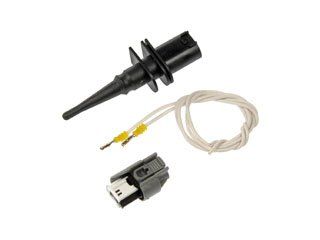
- Dorman: Dorman is a popular choice for a wide range of replacement parts. Their sensors are designed to be a direct fit and often come with any necessary hardware, like a new connector, which is helpful if yours is damaged.
- URO Parts: URO Parts offers a budget-friendly alternative. While often functional, they are generally considered a value brand, and some owners have mixed experiences with the long-term durability of their parts compared to other aftermarket options.
- VNE: VNE produces a variety of OE (Original Equipment) and aftermarket parts for European vehicles. They are often seen as a reliable alternative to genuine parts, providing similar quality without the high dealer price tag.
Pro Tip: Check Your Connector
Before ordering, inspect your old sensor and its wiring. If the connector is damaged or the wires are torn, look for a replacement sensor that comes as a kit with a new connector pigtail. This will save you a separate trip or order.
Cost of Replacing the Ambient Air Temperature Sensor
| Part Type | Price Range |
|---|---|
| New Aftermarket Sensor | $19.87 - $57.94 |
| New OEM (Dealer) Sensor | $54.00 - $75.00 |
| Shop Labor | $50 - $100 |
Frequently Asked Questions
Where is the ambient temperature sensor located on my 325Ci?
The sensor is located on the driver's side, behind the front bumper and attached to the front section of the fender liner (wheel well). You will need to turn the steering wheel to the right or remove the driver's side front wheel to access the 8mm screws holding the liner in place.
Can I replace this sensor myself?
Yes, this is a very easy DIY job. It typically requires only basic hand tools like an 8mm socket and a small screwdriver or trim tool. The entire process usually takes less than 30 minutes.
What happens if I don't replace a bad sensor?
Driving with a bad sensor will not damage your engine. However, your automatic climate control will not function correctly, you will have an incorrect temperature reading on your dash, and you may have to deal with a persistent Check Engine Light and an annoying warning chime.
My new sensor is installed, but the temperature is still wrong. What now?
If a new sensor doesn't fix the problem, the issue is likely in the wiring or the connector. The wires leading to the sensor are thin and can break inside their insulation. Inspect the wiring for damage, corrosion, or breaks. Sometimes, a wiring repair is needed. Some replacement sensors come with a new connector and wire pigtails for this exact reason.
Technical Specifications
OEM Part Numbers: 65816905133 65816936953 65810141199
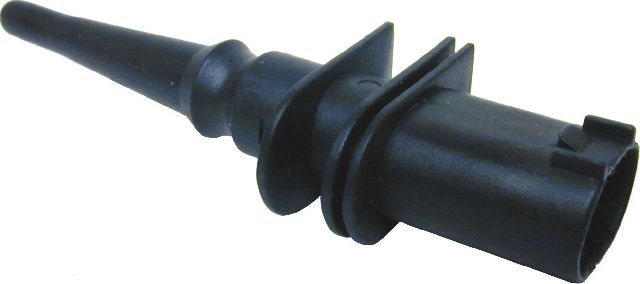
Two-pin electrical connector. Mounts in the driver-side front fender liner.
We Have This Part in Stock


The information in this article is provided for general reference and educational purposes only. Vehicle specifications, procedures, and part compatibility can vary by production date, trim level, and region. Always consult your vehicle's factory service manual and verify part numbers before purchasing or performing repairs. Safety-critical components such as airbags, seat belts, and braking systems should be installed by a qualified professional.
- BMW 325Ci: