

BMW 325Ci Engine Oil Pressure Switch Guide (2001-2006)
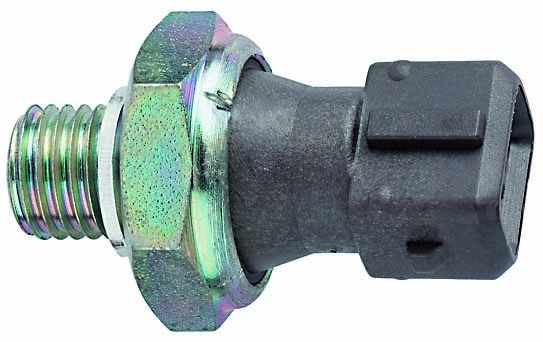
Understand the symptoms of a failing oil pressure switch and choose the right replacement for your E46 325Ci.
- A red oil light with a correct oil level strongly points to a failed oil pressure switch.
- Leaking oil from the switch itself is a clear sign it needs replacement.
- The switch is an easy and inexpensive DIY replacement, located on the oil filter housing.
- Choose a quality aftermarket brand like Hella, Febi, or Rein for reliability; avoid the cheapest options for this critical part.
Is Your BMW 325Ci Oil Pressure Light On?
A red oil light on the dash of your 325Ci is a serious warning. It means the engine may not have enough oil pressure to lubricate itself. The first step is to safely pull over, turn off the engine, and check your oil level. If the oil level is correct, the problem could be the oil pressure switch itself. These switches are known to fail over time, either by giving false warnings or by leaking oil.
Common Failure Symptoms
Knowing the signs of a bad oil pressure switch can save you from unnecessary worry or a costly engine repair. Here’s what to look for:
- Red Oil Light on Dash: The most obvious symptom. The light might stay on constantly, or it could flicker, especially at idle or during turns. A faulty switch can falsely trigger this light even when the pressure is fine.
- Oil Leaks: The switch is a common source of oil leaks on the M54 engine. Over time, the plastic housing can crack or the internal seals can fail, causing oil to seep out. You may notice oil residue on the oil filter housing where the switch is located. In some cases, oil can even leak through the electrical connector itself.
- Warning Light Stays Off: A less common but dangerous failure is when the switch fails to activate the warning light during the initial ignition-on bulb check or, worse, during a real low-pressure event.
Red Oil Light vs. Yellow Oil Light
Your E46 BMW has two oil-related lights. The red light indicates a critical oil pressure problem. The yellow light indicates a low oil level or a problem with the oil level sensor. This guide is about the pressure switch that controls the red light.
Choosing the Right Aftermarket Oil Pressure Switch
When replacing the oil pressure switch, you don't have to buy a Genuine BMW part to get good quality. Several aftermarket brands offer reliable replacements. However, quality can vary significantly, so it's important to choose wisely.
Brand Quality Tiers for Your 325Ci
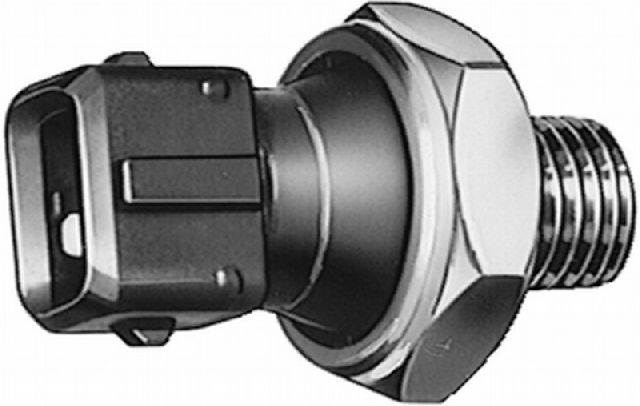
- Top Tier (OEM Quality): Brands like Hella, Febi, and CRP (Rein) are often original equipment manufacturers for BMW or produce parts to the same standard. They offer the best fit and longest service life, making them a reliable choice without the dealership price tag. Forum users often recommend sticking with these brands for electrical components.
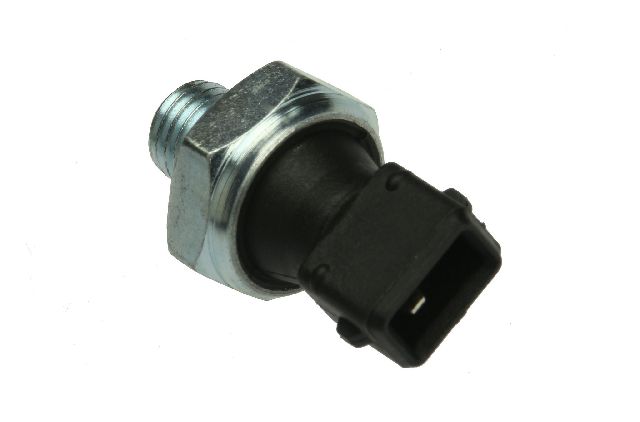
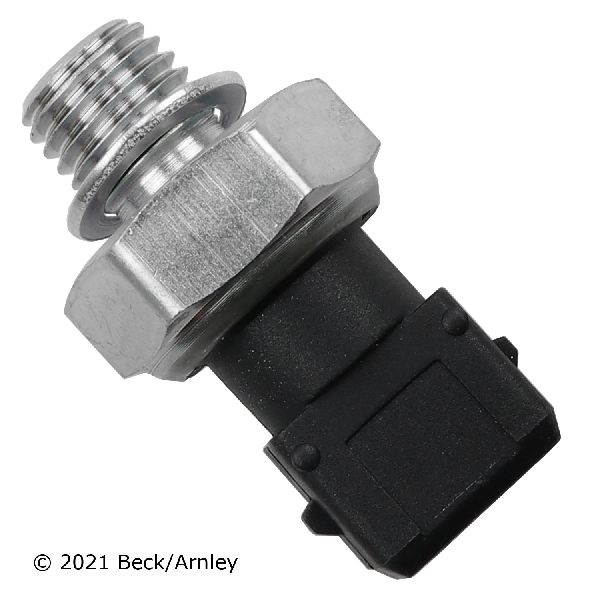
- Mid-Tier (Standard Aftermarket): Brands like Beck Arnley and Standard Ignition (SMP) offer a good balance of price and quality. They are generally dependable for a daily driven vehicle.
- Economy Tier (Budget-Friendly): Brands like URO Parts, Facet, and others are the most affordable. While tempting, be aware that some owners report higher failure rates and shorter lifespans with budget electrical parts. A part from this tier might fail prematurely or leak, forcing you to do the job again.
Pro Tip: Given the low cost of even top-tier aftermarket switches and the critical role they play, spending a few extra dollars on a brand like Hella or Febi is a smart investment for peace of mind.
DIY Replacement Guide
Replacing the oil pressure switch on a 2001-2006 325Ci is a straightforward job for a DIY mechanic. The switch is located on the side of the oil filter housing.
- Locate the Switch: You will find the switch screwed into the aluminum oil filter housing, which is on the driver's side of the engine. You may need to remove the air intake box for better access.
- Disconnect the Connector: Carefully unplug the single-wire electrical connector from the switch.
- Remove the Old Switch: Using a deep socket (typically 24mm), unscrew the old switch. Be prepared for a small amount of oil to spill out. Have a rag ready.
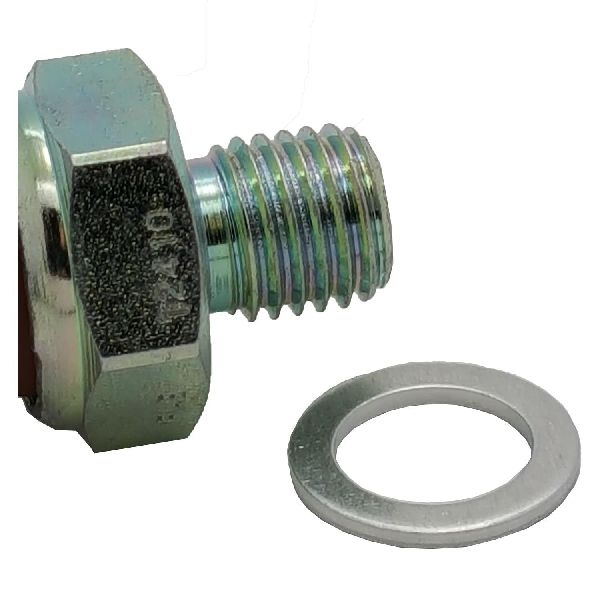
- Install the New Switch: Make sure the new switch comes with a new sealing washer. Screw the new switch in by hand, then tighten it with the socket. Do not overtighten.
- Reconnect and Test: Plug the electrical connector back in. Start the engine and check for leaks. The oil light should come on with the ignition and turn off once the engine starts.
Frequently Asked Questions (FAQ)
Is a flickering oil light always a bad switch?
Not always, but it's the most common cause. A flickering light can also be a sign of a serious internal engine problem, like a failing oil pump or worn bearings, especially if you hear ticking or knocking noises. If your oil level is correct, replacing the inexpensive switch first is a logical diagnostic step.
My new switch is leaking. What went wrong?
First, ensure the switch is tightened correctly (but not over-tightened). Second, and most importantly, always use the new sealing washer that comes with the switch. Re-using the old, crushed washer will almost certainly cause a leak.
Are there any recalls for the oil pressure switch on the E46 325Ci?
No, there are no specific recalls issued by the NHTSA for the engine oil pressure switch on the 2001-2006 BMW 325Ci. Failures are generally due to age and wear rather than a manufacturing defect.
What is the difference between the oil pressure switch and the oil level sensor?
They are two separate sensors with different jobs. The oil pressure switch (this part) triggers the red warning light for low pressure. The oil level sensor, located in the bottom of the oil pan, triggers the yellow warning light for low oil level. Confusing the two is a common mistake.
Technical Specifications
OEM Part Numbers: 12617568480 12618611273 12611710509
Thread Size: M12x1.5, Pressure Switch Point: ~0.5 Bar, Connector: 1-Pin.
We Have This Part in Stock


The information in this article is provided for general reference and educational purposes only. Vehicle specifications, procedures, and part compatibility can vary by production date, trim level, and region. Always consult your vehicle's factory service manual and verify part numbers before purchasing or performing repairs. Safety-critical components such as airbags, seat belts, and braking systems should be installed by a qualified professional.
- BMW 325Ci: