

Suspension Stabilizer Bar Link Guide for the 2001-2006 BMW 325xi
Eliminate suspension clunks and restore your all-wheel-drive BMW's handling by choosing the right stabilizer bar link.
- The most common symptom of failure is a clunking or rattling noise over bumps.
- Front stabilizer links for the AWD 325xi are different from RWD models; ensure you buy the correct part.
- Replacement is a straightforward DIY job for most home mechanics and does not require a wheel alignment.
- For best results and balanced handling, always replace stabilizer links in pairs.
Is Your 325xi Making Clunking Noises?
A metallic clunking, knocking, or rattling sound from the front or rear suspension is the most common sign of a failing stabilizer bar link. You'll hear it most when driving over small bumps, uneven pavement, or when turning. This noise happens because the small ball joints inside the link have worn out, creating excessive play that rattles with suspension movement. Other symptoms include a feeling of looseness in the steering, increased body roll in corners, and a general sense of instability at higher speeds.
A Critical Part for an AWD BMW
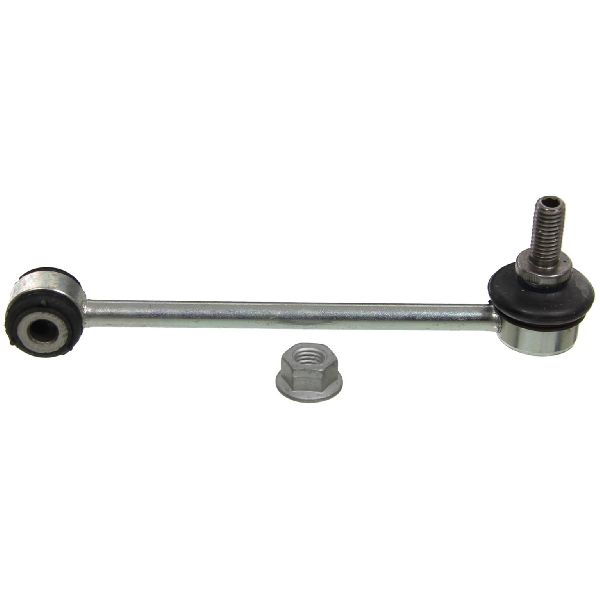
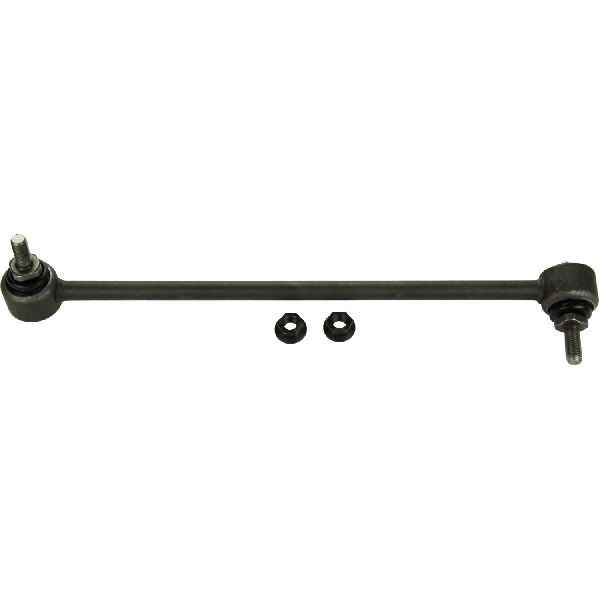
It's important to note that the front stabilizer bar links for the all-wheel-drive 325xi are different from those on the rear-wheel-drive 325i models. The rear links are generally the same for both sedan models. Always verify you are ordering the correct part for your specific "xi" model to ensure proper fit and function.
Choosing the Right Aftermarket Stabilizer Link
When replacing stabilizer bar links, you don't necessarily need to buy the original BMW part. Several reputable aftermarket brands offer quality replacements, often with improvements over the original design. Here’s a breakdown of common choices:
- OEM-Equivalent Brands (Lemförder, TRW, CRP): Lemförder is often the original equipment manufacturer (OEM) for BMW suspension parts. Brands like TRW and CRP (which often re-boxes OEM parts) are also considered high-quality, direct replacements that will restore the original feel and performance. If you want to maintain the stock ride characteristics, these are excellent choices.
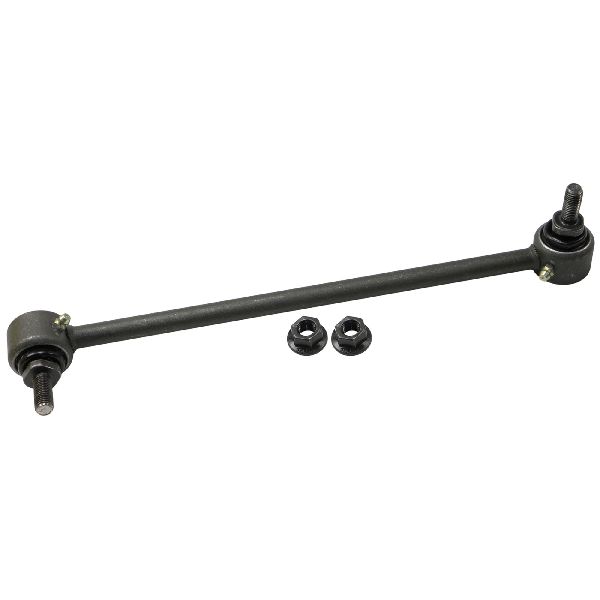
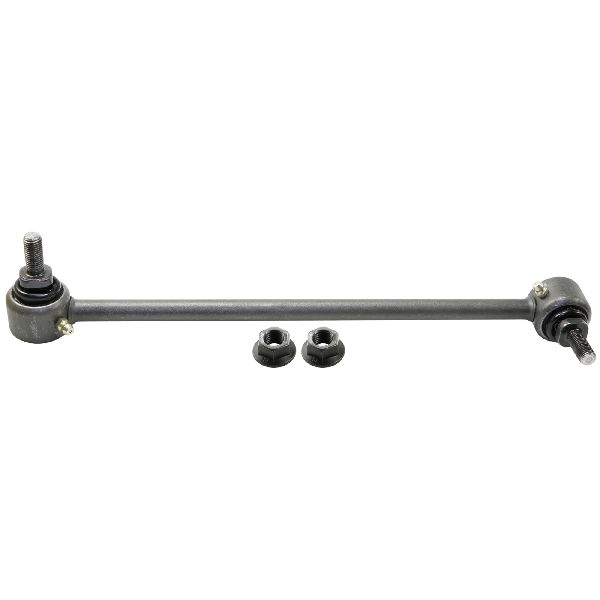
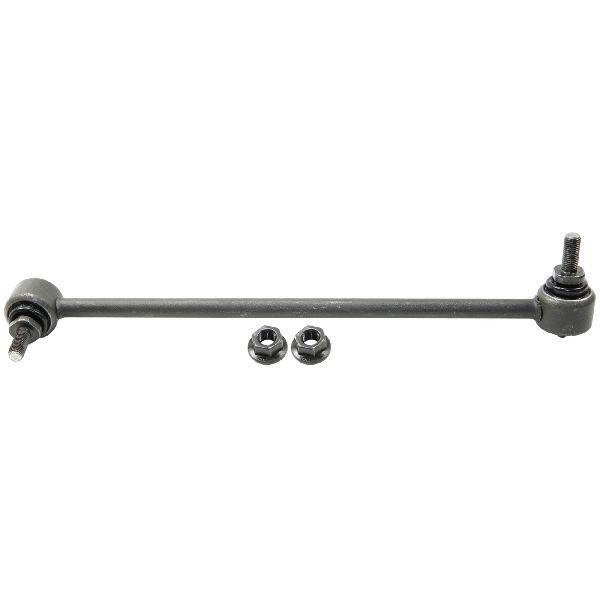
- Heavy-Duty Aftermarket (Moog): Moog is well-known for its "Problem Solver" line of suspension parts. Their stabilizer links are often beefier than the original parts and may feature improved designs, such as greaseable fittings or easier-to-use wrench flats for installation instead of the original Torx stud. They are a durable option favored by many DIY mechanics.
- Standard Aftermarket (Beck Arnley, Vaico, QuickSteer, Suspensia): These brands provide a balance of quality and value. Beck Arnley sources parts from various manufacturers, so quality can be consistent. Vaico is a German brand with generally positive but sometimes mixed reviews; some users report long life while others have experienced premature failure.
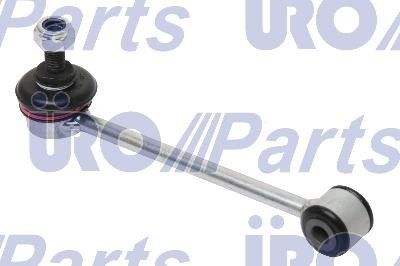
- Budget-Friendly (URO Parts): URO Parts are typically the most affordable option. While they can be a good choice for a budget-conscious repair, their longevity has a mixed reputation among BMW enthusiasts. Some users have had them fail sooner than premium brands.
Pro Tip: Replace in Pairs
It is highly recommended to replace stabilizer bar links in pairs (both front links or both rear links at the same time). If one has failed due to age and wear, the other is likely not far behind. Replacing both ensures balanced handling and prevents you from having to do the same job twice in the near future.
Cost to Replace Stabilizer Bar Links on a 2001-2006 BMW 325xi
| Part/Service | Estimated Cost |
|---|---|
| New Aftermarket Stabilizer Link (Single) | $17.78 - $52.98 |
| Shop Labor (Pair) | $95 - $150 |
| Total Professional Replacement (Pair) | $130 - $250+ |
Frequently Asked Questions
Is it difficult to replace the stabilizer bar links myself?
No, this is a very common and feasible DIY job for someone with basic tools. The process involves jacking up the car, removing the wheel, and unbolting the old link from the strut and the stabilizer bar. The main challenge can be rusted nuts or the stud spinning while you try to loosen the nut. Many aftermarket links replace the original Torx-head stud with a hex shape you can hold with a wrench, making installation easier.
Do I need a wheel alignment after replacing the stabilizer links?
No, a wheel alignment is not necessary after replacing only the stabilizer bar links. These parts do not affect the car's primary alignment angles like camber, caster, or toe.
Are there any recalls for the 325xi suspension?
No, there are no specific recalls or common Technical Service Bulletins (TSBs) for the stabilizer bar links on the 2001-2006 BMW 325xi. Recalls for this vehicle primarily concern airbags and PCV valve heaters.
Can I upgrade my stabilizer bar links?
Yes. Besides heavy-duty replacement links like those from Moog, you can also find adjustable end links. These are typically used by enthusiasts who have lowered their car or installed thicker aftermarket sway bars to fine-tune the suspension geometry and handling characteristics. For a stock vehicle, they are generally not necessary.
Technical Specifications
OEM Part Numbers: Front Left: 31356751079 Front Right: 31356751080 Rear: 33551094619
The front links for the 325xi are specific to the all-wheel-drive model. The rear links are shared with other E46 sedan models. Aftermarket links may use a 14mm or 18mm hex on the stud for counter-holding, while originals often use a T27 or T30 Torx bit. Torque specs for the nuts are approximately 47-48 ft-lbs (65 Nm).
We Have This Part in Stock

The information in this article is provided for general reference and educational purposes only. Vehicle specifications, procedures, and part compatibility can vary by production date, trim level, and region. Always consult your vehicle's factory service manual and verify part numbers before purchasing or performing repairs. Safety-critical components such as airbags, seat belts, and braking systems should be installed by a qualified professional.
- BMW 325xi: