

Chevrolet Express 1500 Ignition Knock Sensor Guide (2001-2006)
Understand why replacing the knock sensors on your Chevy Express van is a complex job and why choosing the right part is critical.
- Due to high labor costs from removing the intake manifold, always replace both knock sensors and the wiring harness at the same time.
- Choose high-quality brands like ACDelco or Delphi to avoid repeating this labor-intensive repair.
- Ensure the new sensors are torqued to 15 ft-lbs and that a silicone dam is built around them to prevent future water damage.
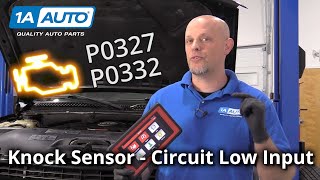
- Common fault codes are P0327 and P0332, which point directly to a low voltage signal from the sensors, often caused by corrosion.
Understanding Knock Sensor Failure on Your Express Van
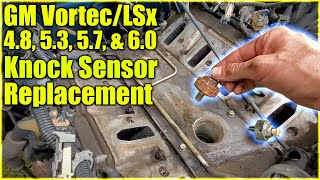
The knock sensors on the 2001-2006 Chevrolet Express 1500, typically equipped with Vortec V8 engines, are located in a difficult-to-reach spot: under the intake manifold in the engine's valley. This location makes them prone to a very specific and common type of failure. Moisture and debris can collect in the sensor cavities, leading to corrosion of the sensors and their wiring harness. When this happens, the sensor can no longer send a clear signal to the computer, triggering a check engine light 🎬 Watch this diagnostic guide for Vortec V8 knock sensor codes. and causing performance issues.
A Labor-Intensive Job
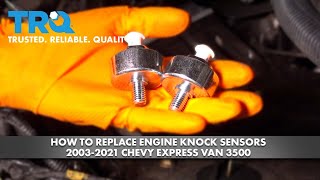
Replacing the knock sensors on this van is not a simple task. The entire intake manifold must be removed 🎬 See a step-by-step video on replacing Express Van knock sensors. to gain access. Because of the high labor cost involved (3-5 hours), it is strongly recommended to replace both knock sensors, the wiring harness that connects them, and the intake manifold gaskets at the same time. Using a cheap, low-quality sensor to save a few dollars is a major risk; if it fails prematurely, you will have to pay for the expensive labor all over again.
Symptoms of a Bad Knock Sensor
A failing knock sensor will almost always trigger the check engine light. You may also notice other performance-related issues as the engine's computer may default to a 'safe' mode with retarded timing to prevent potential damage.
- Check Engine Light with codes P0327 or P0332
- Reduced engine power and poor acceleration
- Worse-than-usual fuel economy
- Engine hesitation or running rough
- Audible pinging or knocking from the engine
Choosing the Right Aftermarket Knock Sensor
Given the cost of labor, part quality is the most important factor. Skimping on the part can lead to paying for the same repair twice. Here’s a breakdown of available brands.
Tier 1: Premium & OEM Brands
These are your safest bets for reliability and are often the original equipment manufacturer for GM.
- ACDelco: As GM's own parts division, ACDelco is considered the true OEM part. It's the benchmark for fit and function. Many professional technicians will only use ACDelco for this specific repair to avoid comebacks.
- Delphi: Delphi was a long-time OEM supplier for GM and is generally considered to be of equivalent quality to ACDelco. If both are available, choosing either is an excellent decision.
Tier 2: Quality Aftermarket
These brands have a strong reputation for producing reliable electronic components and are a solid choice if OEM parts aren't in the budget.
- NGK (NTK): As a major manufacturer of sensors for many car brands, NTK (the sensor division of NGK) is a well-respected name that meets or exceeds OE standards.
- Standard Ignition (SMP): A long-standing brand in the aftermarket, Standard Motor Products generally produces quality components that are trusted by many repair shops.
Tier 3: Budget-Friendly Options
These brands are available at a lower price point, but there is a higher risk of premature failure, which could negate any initial savings due to the high cost of labor for a re-do.
- Global Parts
- Holstein
- Motorad
- True Tech
- Walker Products
Pro Tip: Prevent Future Failures
A common practice among technicians is to apply a bead of RTV silicone sealant around the new knock sensor grommets after installation. This creates a 'dam' that helps prevent water and debris from pooling in the sensor cavities, which is the primary cause of failure. Also, ensure the mounting surfaces are clean and the sensors are torqued to the correct specification (typically 15 ft-lbs).
Frequently Asked Questions
Why is this repair so expensive if the parts are cheap?
The cost comes from the labor. The knock sensors are buried under the intake manifold. A technician needs several hours to remove the manifold, replace the sensors, and then reassemble everything with new gaskets. The labor can easily cost 5-10 times more than the parts themselves.
Do I have to replace the wiring harness too?
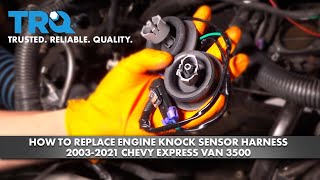
Yes, it is highly recommended. The original harness is exposed to the same heat and moisture that causes the sensors to fail. The plastic becomes brittle and the connectors corrode. A new harness is a small price to pay for peace of mind and to ensure the new sensors have a perfect connection.
Can I just replace the one bad sensor?
You could, but it's a bad idea. Since both sensors are the same age and have lived in the same harsh environment, the second one is likely to fail soon. Given that 95% of the job is the labor to access them, replacing both at the same time is the smart and economical choice.
Are there any recalls for this issue?
No, there are no specific recalls from the NHTSA for knock sensor failure on the 2001-2006 Chevrolet Express 1500. However, there is a known General Motors Technical Service Bulletin (TSB) that addresses the issue of water intrusion and recommends building an RTV silicone dam 🎬 Learn how to apply the TSB recommended silicone water dam. around the sensors to prevent future failures.
Helpful Videos
Technical Specifications
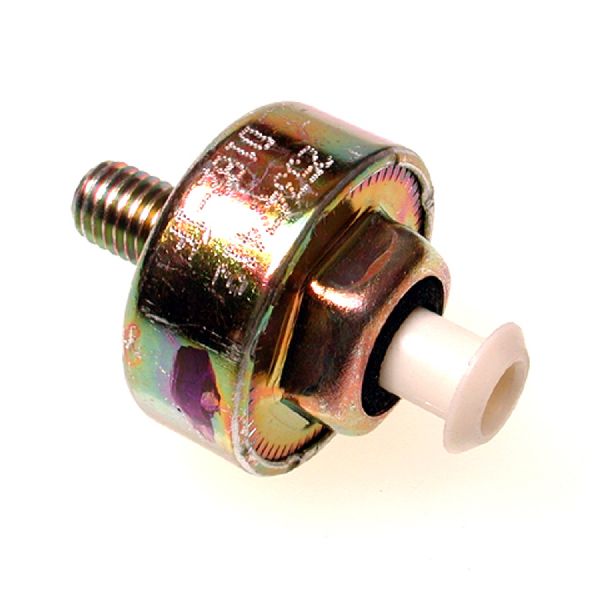
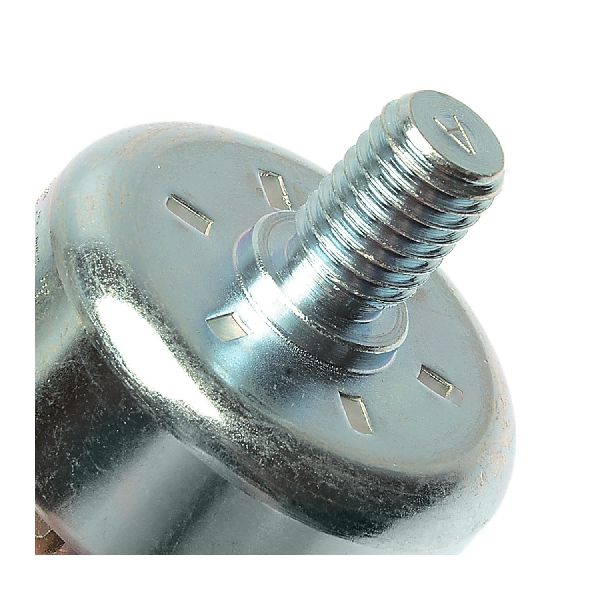
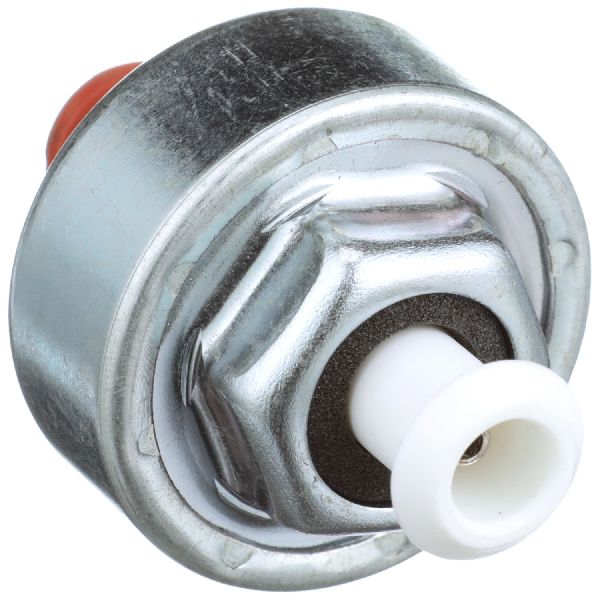
OEM Part Numbers: 12589867 10456603
Location: Under intake manifold. Quantity Required: 2. Recommended Torque: 15 ft-lbs.
We Have This Part in Stock


The information in this article is provided for general reference and educational purposes only. Vehicle specifications, procedures, and part compatibility can vary by production date, trim level, and region. Always consult your vehicle's factory service manual and verify part numbers before purchasing or performing repairs. Safety-critical components such as airbags, seat belts, and braking systems should be installed by a qualified professional.
- Chevrolet Express 1500:
- 🎬 Helpful Videos
- 🛍️ Shop This Part
- Understanding Knock Sensor Failure on Your Express Van
- A Labor-Intensive Job
- Symptoms of a Bad Knock Sensor
- Choosing the Right Aftermarket Knock Sensor
- Tier 1: Premium & OEM Brands
- Tier 2: Quality Aftermarket
- Tier 3: Budget-Friendly Options
- Pro Tip: Prevent Future Failures
- Frequently Asked Questions
- 🎟️ Get 5% Off