

Ford Ranger Engine Cylinder Head Temperature Sensor Guide (2001-2006)
Understand, diagnose, and replace the CHT sensor on your 2001-2006 Ford Ranger.
- The CHT sensor's location and replacement difficulty vary greatly by engine; the 4.0L V6 is much harder than the 2.3L I4.
- Symptoms often include a Check Engine Light with codes P1289 or P1299 and an erratic temperature gauge.
- A faulty CHT sensor can trigger a 'fail-safe' or 'limp' mode, drastically reducing engine power to prevent damage.
- Quality aftermarket brands are a cost-effective alternative to OEM, but inspect the wiring connector for damage during replacement.
Symptoms of a Bad CHT Sensor
A failing CHT sensor can cause a variety of problems. Because the computer relies on this sensor for critical information, a bad signal can make your truck run poorly. You might notice one or more of the following issues:
- Check Engine Light: The most common sign is a check engine light. Codes like P1289 (CHT Sensor Circuit High) or P1299 (Cylinder Head Over-temperature Protection Active) point directly to a CHT sensor issue.
- Erratic Temperature Gauge: The temperature gauge on your dashboard might shoot to "HOT" even when the engine is cold, or it might not move at all. This happens when the PCM receives a faulty signal and enters a protection mode.
- Poor Engine Performance: You may experience rough idling, decreased power, and worse fuel economy because the computer can't set the right air-to-fuel ratio.
- Hard Starting: A bad sensor can make the engine difficult to start, requiring longer cranking times.
- Fail-Safe "Limp" Mode: In severe cases, the PCM will activate a "fail-safe" cooling mode. It may shut down half of the engine's cylinders to act as an air pump to cool the engine, resulting in a significant loss of power.
Engine Differences Matter
The 2001-2006 Ranger came with different engines (2.3L I4, 3.0L V6, 4.0L V6). The location and difficulty of replacing the CHT sensor vary significantly between them. The 4.0L SOHC V6 is known for having the sensor in a very tight spot under the intake manifold, making replacement much more difficult. The 2.3L sensor is generally more accessible on top of the engine.
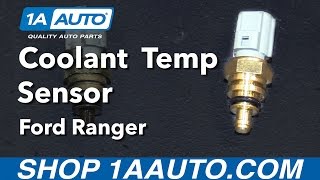
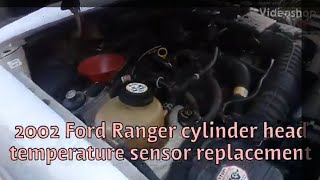
🎬 Watch this guide on replacing the 2.3L temperature sensor.Choosing the Right Aftermarket CHT Sensor
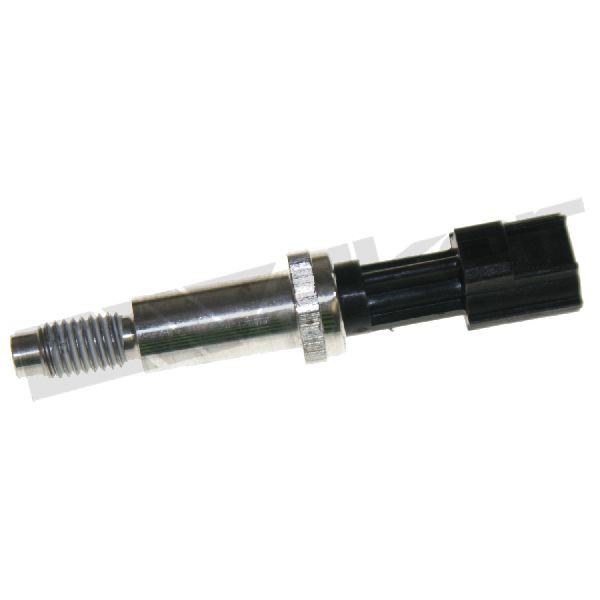
For a simple but critical sensor like the CHT, you don't always need to pay for an OEM part. Quality aftermarket brands offer a reliable and affordable alternative. Brands like Standard Ignition and Walker Products are well-known in the aftermarket and generally provide good quality components that meet or exceed OEM specifications. Motorad is also available, though some user forums report mixed quality on their cooling products like thermostats. Given the low cost of even the premium aftermarket options, it's wise to choose a recognized brand over a generic, no-name part to ensure reliability.
Cost Comparison: 2001-2006 Ford Ranger CHT Sensor
| Part Type | Estimated Cost |
|---|---|
| OEM (Motorcraft) | $50 - $90 |
| New Aftermarket (Your Price Range) | $29.56 - $40.38 |
| Shop Labor | $100 - $450 |
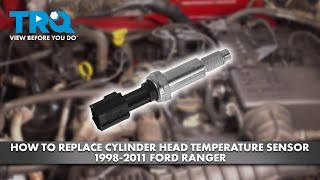
Note: Labor costs vary greatly depending on your engine. The 4.0L V6 is on the higher end due to the need to remove the intake manifold for access. 🎬 See how to replace the sensor on a 4.0L engine.
Pro Tip: Check the Connector
The plastic electrical connector on the CHT sensor can become brittle over time and may break during removal. Inspect the connector and wiring pigtail. If it's damaged, it's best to replace it at the same time as the sensor to ensure a good connection. New connectors are sold separately and are an inexpensive piece of insurance.
Frequently Asked Questions
Where is the CHT sensor located on my Ford Ranger?
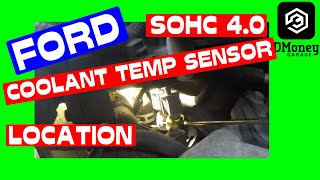
The location depends on your engine. For the 2.3L I4 engine, it is typically located on the top of the cylinder head, between the spark plugs. For the 4.0L SOHC V6, it is located on the cylinder head but underneath the intake manifold, making it much harder to access. 🎬 View the hidden sensor location on the 4.0L SOHC V6. The 3.0L V6 location is on the cylinder head as well. Always consult a repair manual for your specific engine to confirm.
What's the difference between a CHT sensor and a coolant temp sensor?
A CHT sensor measures the metal temperature of the cylinder head directly. A traditional Engine Coolant Temperature (ECT) sensor measures the temperature of the engine coolant. Ford uses the CHT sensor because it can still provide a temperature reading even if there is a catastrophic coolant loss, which is a key part of its fail-safe cooling system.
Can I replace the CHT sensor myself?
For the 2.3L engine, yes. It's an accessible part that can be replaced with basic tools and a deep socket. For the 4.0L SOHC engine, the job is much more involved and requires removing the upper intake manifold. This is a more advanced DIY job. If you are not comfortable with that level of work, it's best to leave it to a professional.
Are there any recalls for the CHT sensor on the 2001-2006 Ranger?
No, there are no specific NHTSA recalls or Technical Service Bulletins (TSBs) found for the Engine Cylinder Head Temperature sensor on the 2001-2006 Ford Ranger. The most prominent recalls for this generation involve Takata airbags.
Helpful Videos
Technical Specifications
OEM Part Numbers: 1L2Z-6G004-AA 8S4Z-6G004-A
This is a thermistor-type sensor that reads cylinder head metal temperature. It uses a two-pin connector. On the 4.0L V6, there are two similar sensors; the CHT sensor for the computer is distinct from the sender for the dashboard gauge.
We Have This Part in Stock


The information in this article is provided for general reference and educational purposes only. Vehicle specifications, procedures, and part compatibility can vary by production date, trim level, and region. Always consult your vehicle's factory service manual and verify part numbers before purchasing or performing repairs. Safety-critical components such as airbags, seat belts, and braking systems should be installed by a qualified professional.
- Ford Ranger: