

A Guide to the 2001-2007 BMW M3 Disc Brake Pad Wear Sensor
Don't let a small light on your dash ruin your drive; understand your M3's brake sensor and how to choose the right replacement.
- Your 2001-2007 M3 has two brake wear sensors: one on the front-left and one on the rear-right wheel.
- Always replace the sensors when you replace your brake pads, even if the warning light is not on.
- After replacement, you must reset the warning light by turning the ignition on (engine off) for about a minute.
- For reliability, choose OEM-equivalent brands like Pagid or Brembo, or quality aftermarket options like Centric.
Understanding the Brake Warning Light
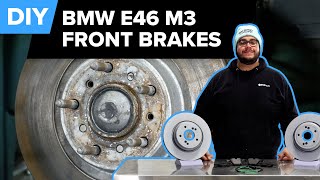
When the brake warning light illuminates on your M3's instrument cluster, it means one of two things. Most commonly, it's doing its job and telling you the brake pads have worn down to the minimum safe thickness. However, the light can also come on if the sensor itself has failed. This can happen if the sensor's wire is damaged by road debris or if the plastic becomes brittle and breaks. A visual inspection of the brake pads 🎬 Watch: Full DIY guide for replacing front pads and rotors. is the only way to know for sure.
Important: Resetting the Light
After replacing your brake pads and the wear sensor, the warning light will not turn off by itself. You must perform a simple reset procedure. Turn the ignition key to the second position (don't start the engine) and wait for approximately 30-60 seconds. The light on the dashboard should extinguish, confirming the system has been reset. If the light remains on, it could indicate a problem with the new sensor, the wiring, or an incorrect installation.
Choosing the Right Aftermarket Sensor
For a simple part like a wear sensor, you don't necessarily need to buy the expensive OEM part from a BMW dealer. However, quality still matters. Very cheap aftermarket sensors can have brittle clips, poor-fitting connectors, or internal pins that break during installation, leading to false warnings and frustration. Here’s a breakdown of available brands:
- OEM-Equivalent Brands (Pagid, Brembo): These companies are often the original suppliers to BMW. Choosing a sensor from one of these brands is the safest bet for ensuring perfect fitment, material quality, and long-term reliability without paying the full dealership price.
- Quality Aftermarket Brands (Centric, Beck Arnley, Holstein, Standard Ignition): These brands have a strong reputation for producing reliable parts that meet or exceed OEM specifications. They offer a great balance of quality and value and are a solid choice for any M3 owner.
- Economy Brands (URO Parts, Dorman, Dynamic Friction): While very budget-friendly, brands like URO Parts have mixed reviews from BMW owners. For a non-critical part like a sensor, they can be a viable option to save money, but be aware of potential fitment issues or a shorter lifespan compared to premium brands.
Pro Tip: Replace Every Time
Even if your brake warning light hasn't come on, it is best practice to replace the brake pad wear sensors every time you replace your brake pads. The plastic becomes brittle from heat and exposure over time, and attempting to reuse an old sensor often leads to it breaking shortly after the brake job is complete, forcing you to take the wheel off again.
Frequently Asked Questions
How many brake pad wear sensors does my 2001-2007 M3 have?
Your E46 M3 has two sensors: one for the front axle, located on the driver's side (left) wheel, and one for the rear axle, located on the passenger's side (right) wheel.
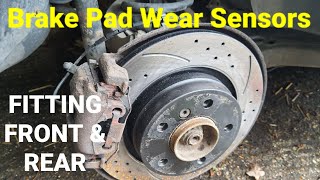
🎬 See how to properly fit front and rear wear sensors.Do I have to replace the sensor if the brake light isn't on?
It is highly recommended. The sensors are designed as a one-time-use part. Once removed from the old brake pad, they may not clip securely into the new one, and the old plastic is often brittle from heat cycles, making it likely to fail soon anyway.
Can I reuse an old brake pad wear sensor?
While technically possible if the sensor has not been triggered and is removed without damage, it is not recommended. The cost of a new sensor is very low compared to the labor of having to replace it separately if it fails shortly after a brake job.
Why is my brake light still on after replacing the pads and sensor?
This is almost always because the system was not reset. With the new sensor installed, turn the ignition to position II (run position, engine off) for at least 30-60 seconds until the light goes out. If this fails, double-check the sensor connection at the wheel well and ensure the sensor is fully seated in the brake pad. A faulty new sensor, though rare with quality brands, is also a possibility.
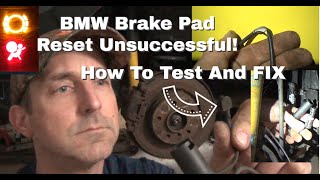
🎬 Troubleshooting guide: What to do if the reset procedure fails.Helpful Videos

Technical Specifications
OEM Part Numbers: 34352229018 34356751311 34352229138 34352229780
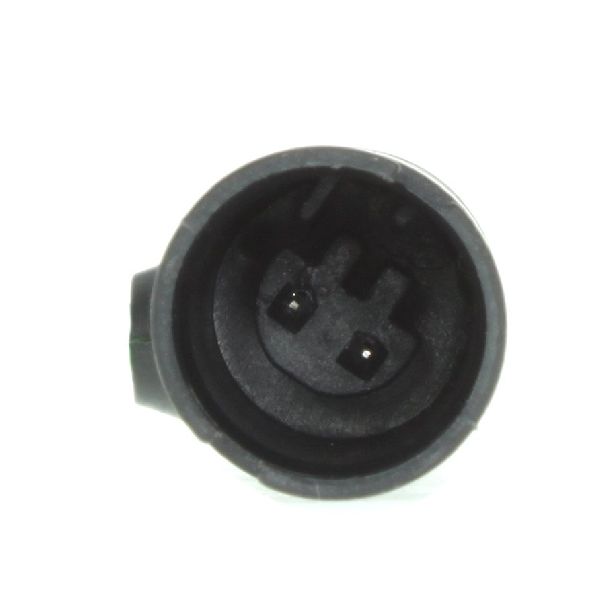
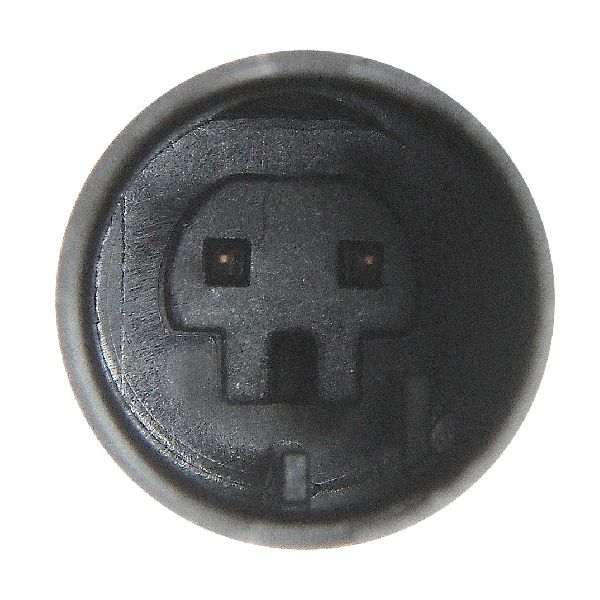
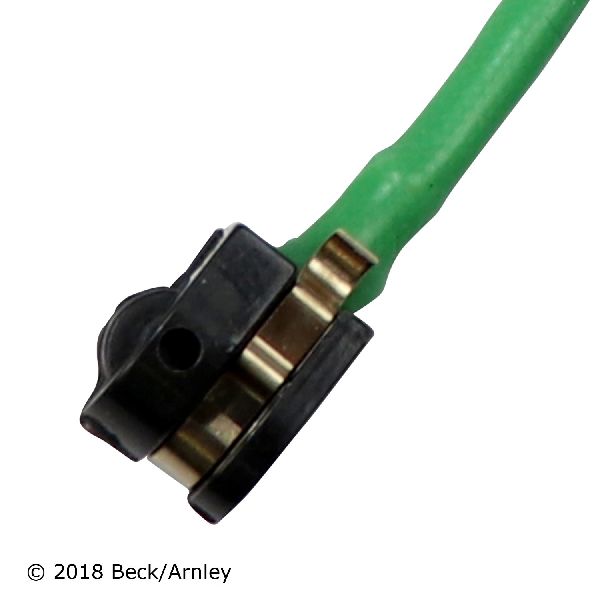
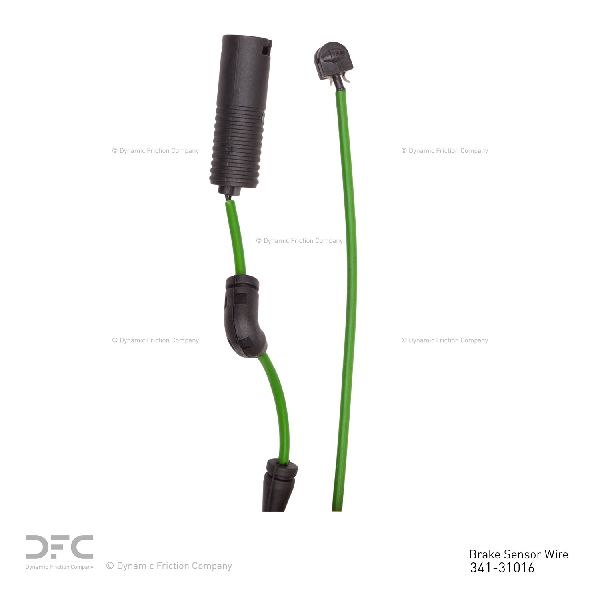
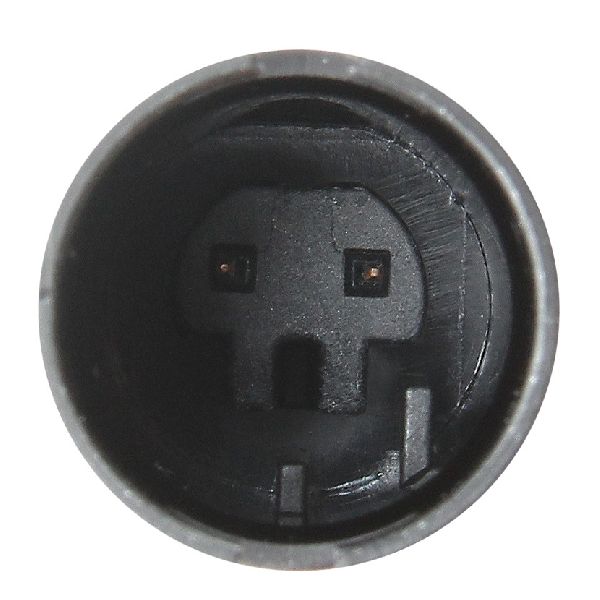
Location: Front Left and Rear Right wheel calipers. Type: Single-stage, two-pin electrical contact sensor.
We Have This Part in Stock


The information in this article is provided for general reference and educational purposes only. Vehicle specifications, procedures, and part compatibility can vary by production date, trim level, and region. Always consult your vehicle's factory service manual and verify part numbers before purchasing or performing repairs. Safety-critical components such as airbags, seat belts, and braking systems should be installed by a qualified professional.
- BMW M3: