

Guide to Replacing Brake Calipers on a 2001-2007 Chevrolet Express 2500
Keep your heavy-duty van stopping safely by understanding when and how to replace your brake calipers.
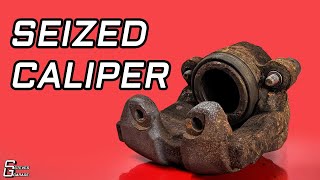
- A sticking or seized caliper is a common failure point on these heavy vans, often caused by corrosion of the slide pins.
- Always replace calipers in pairs (both front or both rear) to maintain balanced braking.
- Verify your van's RPO code (e.g., JB7 for heavy-duty brakes) to ensure you order the correct size caliper, especially for 2001-2002 models.
- Choosing a new caliper with a protective coating (from brands like Raybestos or Powerstop) is a worthwhile investment for longevity, especially in harsh climates.
Signs of a Failing Brake Caliper
A faulty brake caliper is a serious safety issue. Because the Express 2500 is a heavy vehicle, brake problems can escalate quickly. Pay close attention to these warning signs:
- Vehicle Pulling to One Side: When you apply the brakes, a seized or sticking caliper can cause the van to pull sharply to the left or right. This happens because one wheel is braking harder than the other.
- Uneven Brake Pad Wear: If you notice one set of brake pads is significantly more worn than the other, it's a strong indicator of a caliper problem. A stuck caliper can keep the pads in constant contact with the rotor.
- Brakes Dragging or Seizing: A common issue is a caliper that fails to release, causing the brakes to drag. This generates excessive heat, which you might smell as a burning odor, and can cause the brakes to lock up completely 🎬 Watch: How to diagnose a seized brake caliper after driving a short distance.
- Fluid Leaks: Puddles of brake fluid near your wheels point to a failed seal in the caliper piston. A loss of fluid will lead to a soft, spongy brake pedal and reduced stopping ability.
- Squealing or Grinding Noises: While often a sign of worn pads, persistent noise can also indicate a caliper that isn't functioning correctly, causing improper pad-to-rotor contact.
Ordering the Correct Part
For 2001-2002 models specifically, Chevrolet offered different brake options based on the vehicle's Gross Vehicle Weight Rating (GVWR). This can affect the size of the rotors and calipers. It is critical to verify your van's specific configuration, often found on the driver's door jamb sticker (look for RPO codes like JB6 or JB7), before ordering parts. Always replace calipers in pairs (both front or both rear) to ensure even braking performance.
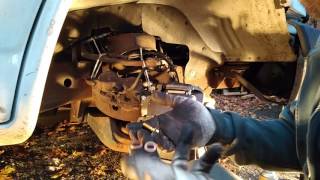
🎬 See this front rotor and caliper replacement walkthroughChoosing a New Aftermarket Caliper
When replacing calipers on your Express 2500, you have several good aftermarket options. Since this is a heavy-duty application, choosing a quality part is more important than finding the lowest price.
Brand & Quality Tiers
Aftermarket brands for your van generally fall into a few categories:
- Premium New (Recommended): Brands like Raybestos (Element3), Powerstop, and Dynamic Friction offer brand-new calipers that often feature corrosion-resistant coatings. These coatings are a significant advantage, especially in regions that use road salt, as they help prevent the caliper slides and pistons from seizing. These parts are made from 100% new components with no core charge.
- OEM-Equivalent New: ACDelco offers new calipers, sometimes in their "Gold" or "Professional" lines, which are high-quality aftermarket parts. Interestingly, some ACDelco Professional new calipers are manufactured by Raybestos and are identical parts sold under a different name, sometimes at a higher price.
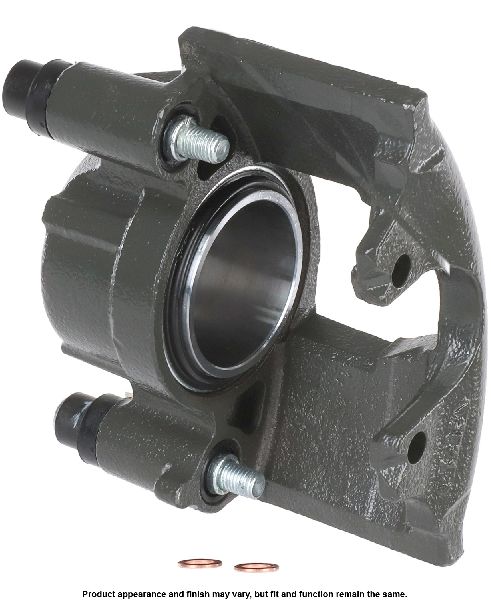
- Remanufactured: Brands like Cardone and BBB Industries are well-known for remanufactured calipers. These are original caliper cores that have been rebuilt with new seals and hardware. While they are a budget-friendly option, the quality of the core and the coating can vary. For a work vehicle like the Express 2500, a new caliper is often a more reliable long-term choice.
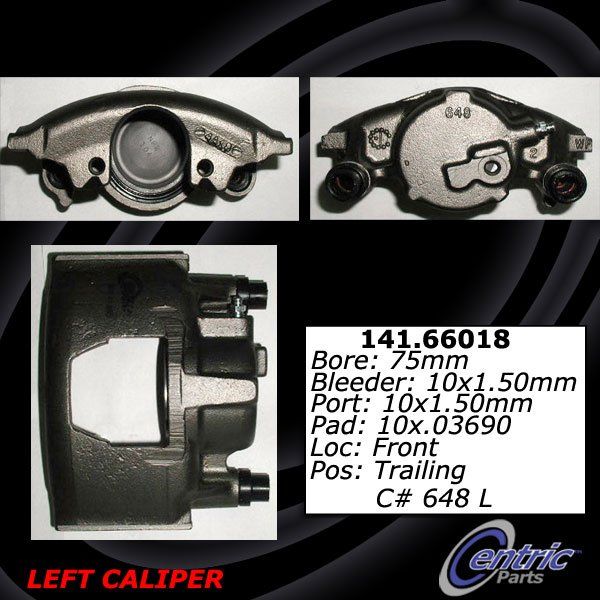
- Value-Oriented: Brands like Centric offer a wide range of parts, including remanufactured and new calipers. While functional, some users report their coatings may not be as durable, leading to quicker rust formation compared to premium brands.
Consider purchasing "loaded" calipers, which come pre-assembled with new brake pads and all necessary hardware. This can save time and ensure all related components are new and properly fitted.
Installation & Replacement Info
Replacing brake calipers is a job for an experienced DIY mechanic or a professional shop. It requires proper tools, including a torque wrench and a way to safely lift and support the van. The process involves disconnecting the hydraulic brake line, so the entire brake system must be bled afterward to remove air bubbles.
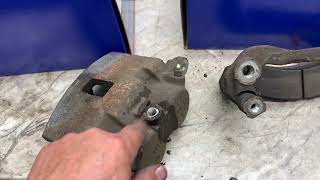
🎬 Watch: Step-by-step guide on how to replace a brake caliperKey torque specs for a 2007 model with JB7 heavy-duty brakes include:
- Caliper Bracket Bolts: 166 ft-lb (may require thread locker)
- Caliper Guide Pin Bolts: 74-80 ft-lb
Note: These values are for reference. Always verify torque specs for your specific year and model.
| Item | Cost Range |
|---|---|
| New Aftermarket Caliper (per part) | $30 - $210 |
| Shop Labor (per pair) | $200 - $400 |
Frequently Asked Questions
Should I buy new or remanufactured calipers?
For a heavy-duty vehicle like the Express 2500, new calipers are generally recommended. They are made from 100% new materials and often feature better anti-corrosion coatings, providing greater long-term reliability and preventing issues like sticking slide pins.
Do I need to replace calipers in pairs?
Yes. Always replace calipers on the same axle at the same time (both front or both rear). This ensures balanced braking force and prevents the vehicle from pulling to one side.
What does a "loaded" caliper include?
A "loaded" brake caliper typically comes with the caliper itself, new brake pads, and all the necessary mounting hardware and clips. This can simplify installation and guarantees that all related wear components are replaced at the same time.
What are RPO codes and why do they matter for my brakes?
Regular Production Option (RPO) codes are three-character codes that specify the options your van was built with. For brakes, codes like JB6 or JB7 indicate different GVWR packages, which use different size rotors and calipers. You must match your new parts to your van's RPO code to ensure they fit.
Helpful Videos

Technical Specifications
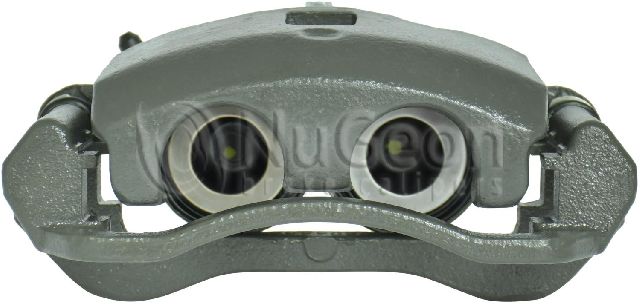
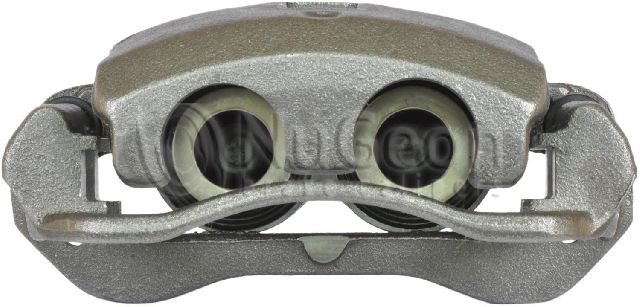
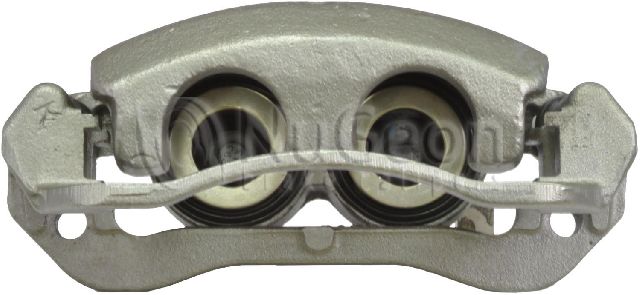
Varies based on Gross Vehicle Weight Rating (GVWR) and RPO codes (e.g., JB6, JB7). Front and rear calipers are different. Calipers can be single or dual piston. Always verify fitment by vehicle specifics.
We Have This Part in Stock

The information in this article is provided for general reference and educational purposes only. Vehicle specifications, procedures, and part compatibility can vary by production date, trim level, and region. Always consult your vehicle's factory service manual and verify part numbers before purchasing or performing repairs. Safety-critical components such as airbags, seat belts, and braking systems should be installed by a qualified professional.
- Chevrolet Express 2500: