

Choosing the Right Brake Pads for Your 2001-2008 BMW 530i (E39 & E60)
Stop the squeal and brake dust by understanding the unique needs of your E39 or E60 530i.
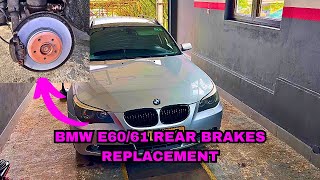
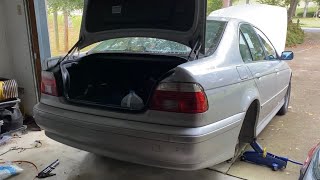
- First, confirm if your 530i is an E39 (2001-2003) or E60 (2004-2008) as brake parts are not interchangeable.
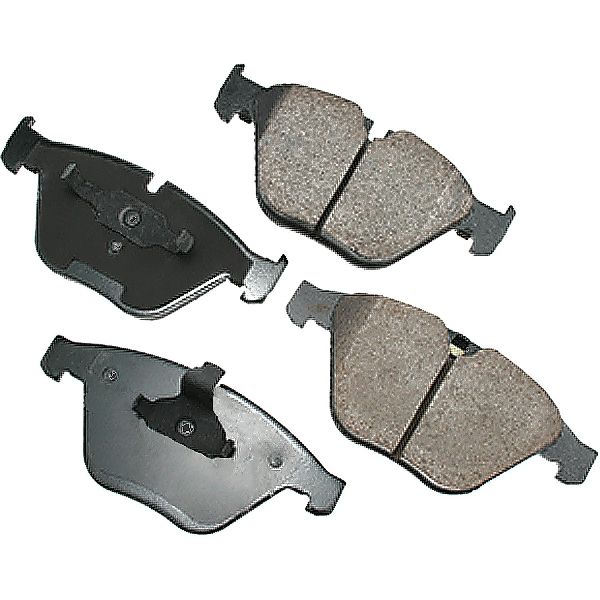
- Choose between OEM-style pads (like Textar, Pagid) for original feel but high dust, or ceramic pads (like Akebono) for low dust but a slightly softer initial bite.
- Always replace the single-use brake pad wear sensor with every pad change to ensure the warning system functions correctly.
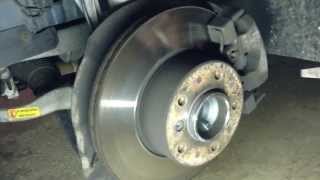
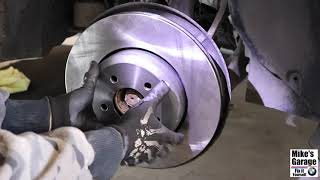
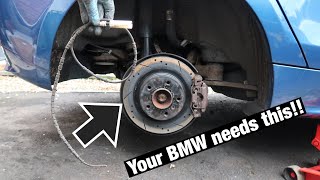
- It is strongly recommended to replace brake rotors at the same time as the pads for the best safety and performance.
Understanding Your BMW 530i: E39 vs. E60 Generations
Before buying brake pads, it's crucial to identify your 530i's generation, as the parts are different and not interchangeable. The 2001-2008 model years cover two distinct chassis with different braking systems. In the North American market, the 530i was available for the following model years:
- 2001-2003 530i (E39 chassis): The final years of a classic, well-regarded platform.
- 2004-2008 530i (E60 chassis): A newer generation with more complex electronics and different mechanical components.
Pro Tip: Ordering parts for the wrong chassis is a common mistake. Double-check your vehicle's model year before purchasing to ensure you get the correct brake pads.
Symptoms of Worn Brake Pads
Your BMW is equipped to tell you when its brakes need attention. Ignoring these signs can lead to more expensive repairs. Common symptoms include:
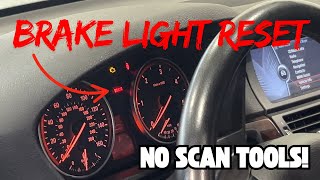
- Brake Warning Light: Modern BMWs use a two-stage warning system. A yellow light is an early warning, while a red light means the pads are at their minimum thickness and require immediate replacement.
- Squealing or Grinding Noises: A high-pitched squeal when you apply the brakes is often the first audible sign. Grinding means the pads are completely worn, and you are hearing metal-on-metal contact, which damages the brake rotors.
- Vibration or Pulsation: If you feel a pulsing in the brake pedal or vibration in the steering wheel when braking, it could be a sign of warped rotors, often caused by worn pads.
- Longer Stopping Distances: If the car takes longer to stop than it used to, your brake pads are likely worn out and have lost their effectiveness.
Brake Pad Wear Sensors
Your 530i uses electronic brake pad wear sensors, typically on the front-left and rear-right wheels. When the brake pads wear down to a certain point, the sensor makes contact with the rotor, completing a circuit and triggering the warning light on your dashboard. Once a sensor is triggered, it must be replaced along with the brake pads; it cannot be reused. It is best practice to replace the sensors every time you change your pads, even if the light hasn't come on.
Choosing the Right Aftermarket Brake Pads
Many BMW owners look to aftermarket pads to either restore original performance, reduce brake dust, or improve stopping power. The original (OEM) pads on these cars are known for their strong initial bite but also for producing a large amount of brake dust. Here’s a breakdown of popular brand tiers:
| Tier | Brands | Best For |
|---|---|---|
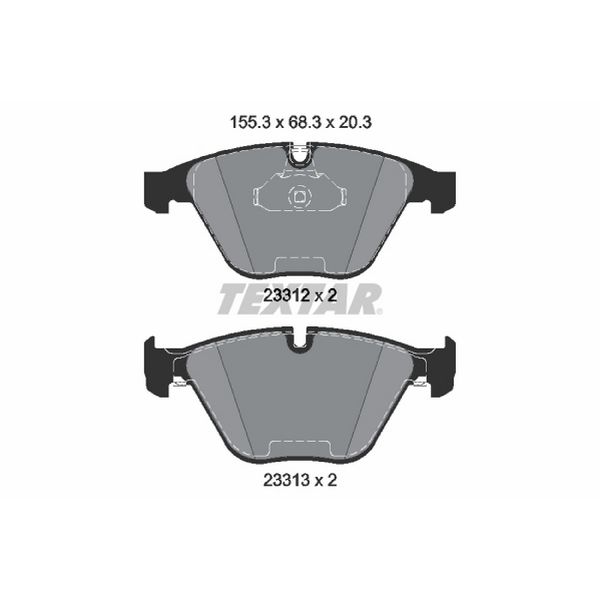
| OEM-Equivalent | ATE, Pagid, Textar, Brembo, Jurid | Owners who want the original factory feel and performance. These brands are often the original suppliers to BMW. Expect strong braking but also the same level of brake dust as the original pads. |
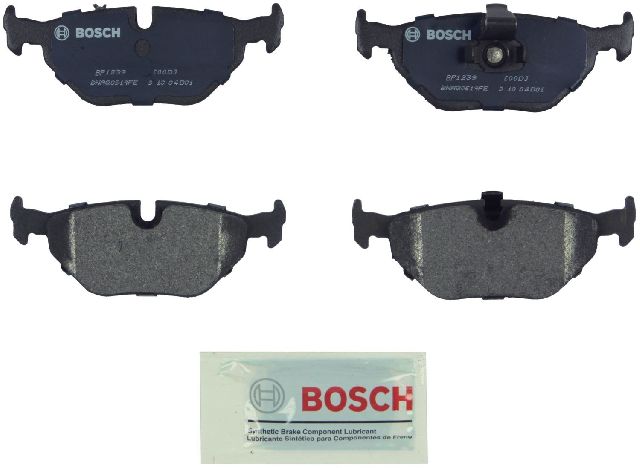
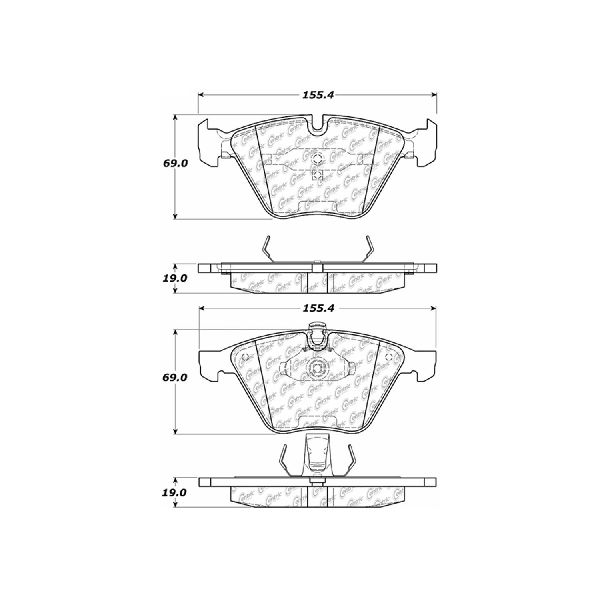
| Low-Dust / Daily Driver Upgrade | Akebono (Euro Ceramic), Bosch (QuietCast), Centric | Owners who are tired of cleaning brake dust from their wheels. Akebono pads are highly recommended in forums for their low-dust properties, though they may have a slightly less aggressive initial bite than OEM pads. |
| Performance Street | Hawk (HPS, HPS 5.0), EBC Brakes (Redstuff, Yellowstuff), StopTech, Powerstop | Enthusiasts looking for increased stopping power, better fade resistance, and performance for spirited street driving. These pads may create more noise and dust than OEM-equivalent options and often require a specific "bedding-in" procedure. |
| Economy / Standard | Dynamic Friction, Raybestos, Wagner, Pronto | Everyday drivers on a budget who need a reliable, safe replacement for normal commuting. These offer a good balance of affordability and quality for standard driving conditions. |
Known Vehicle-Specific Brake Issues
Sometimes, braking problems on the 530i are not caused by the pads themselves. Be aware of these common issues:
- E60 (2004-2008): These models can suffer from a hard brake pedal and reduced braking force. This is often caused by a leaking vacuum hose or a failing brake vacuum pump, not the pads.
- E39 (2001-2003): Some drivers report a 'soft' or 'mushy' brake pedal feel even with new pads. This can sometimes be traced to an aging brake master cylinder or air in the brake lines. There was also a recall in 2003 for a brake line grommet that could slip, potentially allowing the brake hose to contact the tire.
Frequently Asked Questions (FAQ)
Do I need to replace my rotors at the same time as my pads?
It is highly recommended. Most mechanics advise replacing rotors with the pads to ensure even wear and optimal performance. If your rotors have a significant "lip" on the outer edge, are below the minimum thickness specification (stamped on the rotor hub), or show signs of warping (vibration when braking), they must be replaced.
What's the difference between ceramic and semi-metallic pads?
Semi-metallic pads, like the original BMW pads, offer a strong initial bite and excellent heat dissipation but are dusty and can be noisy. Ceramic pads, like the popular Akebono Euro line, are known for being extremely quiet, producing very little dust, and being gentle on rotors. However, they may have a slightly less aggressive initial bite compared to semi-metallics.
What is "bedding-in" and is it necessary?
Bedding-in is the process of transferring a thin, even layer of friction material from the new pads onto the rotor surface. This prevents glazing, reduces noise, and ensures optimal performance. Most performance brands (like Hawk and EBC) require a specific bedding-in procedure, while many OEM and ceramic pads do not. Always follow the manufacturer's instructions included with your new pads.
Can I use E60 brake pads on my E39, or vice-versa?
No. The E39 (2001-2003) and E60 (2004-2008) are different generations with different caliper and rotor sizes. The brake pads are not interchangeable. You must order the specific parts listed for your vehicle's exact year and model to ensure proper fitment and safety.
Helpful Videos
Technical Specifications
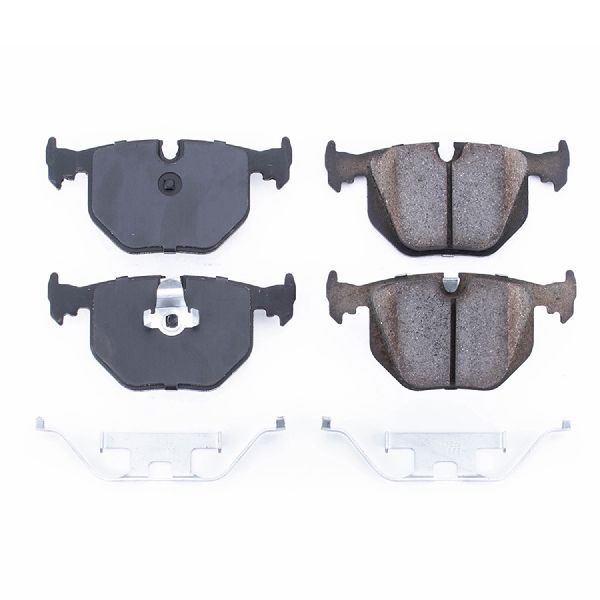
OEM Part Numbers: 34116761252 34216761281 34116763591 34216761239
The 2001-2008 BMW 530i uses disc brakes on all four wheels. The system includes single-piston floating calipers. It requires one brake pad wear sensor for the front axle (driver's side) and one for the rear axle (passenger's side). The E39 (2001-2003) and E60 (2004-2008) generations use different size pads and rotors that are not cross-compatible.
We Have This Part in Stock

The information in this article is provided for general reference and educational purposes only. Vehicle specifications, procedures, and part compatibility can vary by production date, trim level, and region. Always consult your vehicle's factory service manual and verify part numbers before purchasing or performing repairs. Safety-critical components such as airbags, seat belts, and braking systems should be installed by a qualified professional.
- BMW 530i: