

Dodge Magnum Engine Intake Manifold Gasket Set Guide (2005-2008)
Experiencing a rough idle or coolant loss in your Magnum? Your intake manifold gaskets could be the culprit.
- A bad intake manifold gasket on a Magnum typically causes a rough idle, coolant leaks, and a Check Engine Light.
- This is a feasible DIY project for an experienced mechanic, but a professional repair is recommended for novices.
- Always use a new gasket set for your specific engine (2.7L, 3.5L, 5.7L, or 6.1L) as they are not interchangeable.
- Reputable aftermarket brands like Victor Reinz, Fel-Pro, and Cometic offer excellent quality and reliability.
Is Your Dodge Magnum's Engine Acting Up?
A failing intake manifold gasket is a common issue on many vehicles, including the 2005-2008 Dodge Magnum. The constant exposure to heat cycles causes the original gaskets to become hard, brittle, and eventually crack. When this happens, the airtight seal is lost, leading to a variety of noticeable symptoms that can range from annoying to serious. Addressing a bad intake gasket promptly is key to preventing further, more costly engine problems.
Symptoms of a Bad Intake Manifold Gasket on a Magnum
If your Magnum has a failing intake manifold gasket, you'll likely notice one or more of these signs:
- Rough Idle and Misfires: A vacuum leak from a bad gasket allows extra air into the engine, leaning out the air-fuel mixture. This often results in a rough or shaky idle, and can cause specific cylinders to misfire.
- Engine Overheating: On Magnum engines where the gasket seals coolant passages, a failure can cause coolant to leak out of the engine or into the oil. Any loss of coolant can lead to the engine running hotter than normal and eventually overheating.
- Coolant or Oil Leaks: You might see puddles of coolant (typically green or orange) under your car. In some cases, oil can also leak externally from a failed gasket, leaving dark spots on the ground.
- Check Engine Light: The engine control module (ECM) will detect the problems caused by a bad gasket, such as misfires or a lean fuel mixture, and illuminate the Check Engine Light.
- Hissing Noises: A significant vacuum leak can sometimes create an audible hissing or whistling sound from the engine bay while the engine is running.
Generation Note: Correct Vehicle Years
This guide applies to the rear-wheel-drive station wagon produced from 2005 to 2008, built on the Chrysler LX platform. The name "Magnum" was used on other Dodge vehicles in different eras, but this information is specific to the 2005-2008 models sold in North America.
Choosing the Right Aftermarket Gasket Set
When replacing the intake manifold gaskets, you don't have to buy the most expensive option to get a reliable seal. Many aftermarket brands provide excellent quality. It is critical to choose the correct gasket set for your specific engine, as the V6 and V8 gaskets are not interchangeable.
Here’s a breakdown of available brands:
- Premium (High-Performance): Cometic Gasket is well-known in the performance world for its durable Multi-Layer Steel (MLS) gaskets. These are an excellent choice for high-horsepower builds, supercharged engines, or for owners who want the most robust solution, especially on 5.7L and 6.1L HEMI engines.
- OEM-Quality Aftermarket: Victor Reinz and Fel-Pro are trusted brands used by professional mechanics. They are known for producing reliable, high-quality gaskets that meet or exceed original equipment specifications. For a stock daily-driven Magnum, these brands offer a perfect balance of quality and value.
- Standard Replacement: Apex is a brand that offers a more budget-friendly option for standard repairs. These gaskets will get the job done for a daily driver under normal conditions.
Pro Tip: Always Replace, Never Reuse
Intake manifold gaskets are a one-time-use part. They crush and conform to the shape of the engine surfaces. Never reuse old gaskets, even if they look okay. Always install a new set whenever the intake manifold is removed for any reason to ensure a proper, leak-free seal.
Cost to Replace Dodge Magnum Intake Manifold Gaskets
The cost can vary significantly based on your engine and local labor rates. The job is more complex on the V8 HEMI engines than on the V6 models.
| Part or Service | Estimated Cost |
|---|---|
| New Aftermarket Gasket Set | $11 - $129 |
| Shop Labor | $190 - $300 |
| Total Professional Replacement | $400 - $750+ |
Frequently Asked Questions
Were there any recalls for the Magnum's intake manifold gaskets?
No. Searches of the National Highway Traffic Safety Administration (NHTSA) database show no recalls or technical service bulletins (TSBs) specifically for the intake manifold gaskets on the 2005-2008 Dodge Magnum. Recalls for this vehicle primarily concern airbags and ignition switches.
Is this a DIY job?
For an experienced DIY mechanic, yes. The replacement is considered a moderate to advanced job that requires removing the air intake, throttle body, fuel rails, and various connectors and hoses to access the manifold. It requires careful cleaning of the mating surfaces and using a torque wrench for reassembly. If you are not comfortable with this level of work, it is best to leave it to a professional.
Should I replace anything else at the same time?
Yes. Since you're already removing the intake manifold, it's a good time to inspect and possibly replace the fuel injector O-rings, the throttle body gasket, and the PCV valve. It's also a good opportunity to clean the throttle body and intake ports.
What's the difference between gaskets for the 5.7L and 6.1L HEMI?
The 5.7L and 6.1L HEMI engines use different intake manifolds and therefore require different gasket sets. The port shapes are not the same. Always verify the part number for your specific engine before purchasing.
Technical Specifications
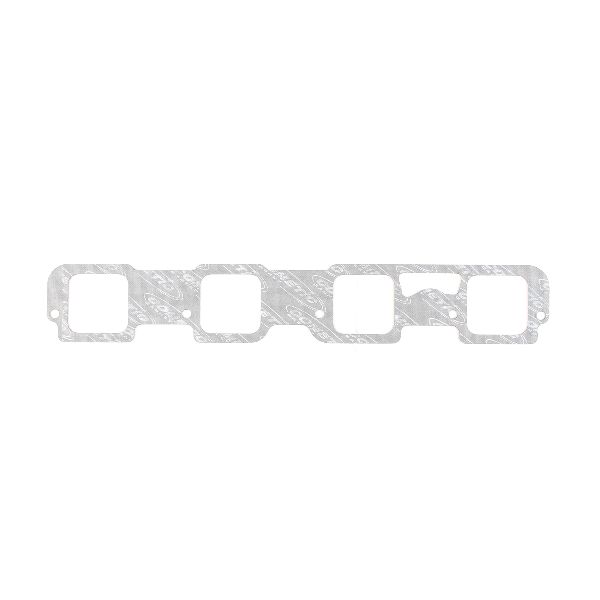
Gasket sets are engine-specific. Materials vary from composite with silicone beads to Multi-Layer Steel (MLS). Set typically includes two main gaskets for V-type engines and sometimes smaller seals for throttle body or other components.
We Have This Part in Stock


The information in this article is provided for general reference and educational purposes only. Vehicle specifications, procedures, and part compatibility can vary by production date, trim level, and region. Always consult your vehicle's factory service manual and verify part numbers before purchasing or performing repairs. Safety-critical components such as airbags, seat belts, and braking systems should be installed by a qualified professional.
- Dodge Magnum:
- 🛍️ Shop This Part
- Is Your Dodge Magnum's Engine Acting Up?
- Symptoms of a Bad Intake Manifold Gasket on a Magnum
- Generation Note: Correct Vehicle Years
- Choosing the Right Aftermarket Gasket Set
- Pro Tip: Always Replace, Never Reuse
- Cost to Replace Dodge Magnum Intake Manifold Gaskets
- Frequently Asked Questions
- 🎟️ Get 5% Off