

Seat Leon Serpentine Belt Replacement Guide (2001-2008)
Everything you need to know about choosing the right serpentine belt and avoiding common problems for your Leon.
- Verify your engine type (e.g., 1.8T, 1.9 TDI) before ordering, as belt sizes differ.
- Always inspect the belt tensioner and alternator pulley when replacing the belt; these are common failure points on Leon models.
- A quality aftermarket brand like Gates offers OEM-level performance for a better price.
- Do not drive if the belt is broken; you will lose battery power and power steering, making the car unsafe to control.
Understanding Your Leon's Serpentine Belt
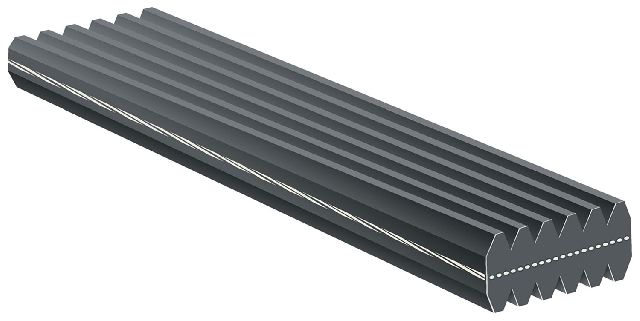
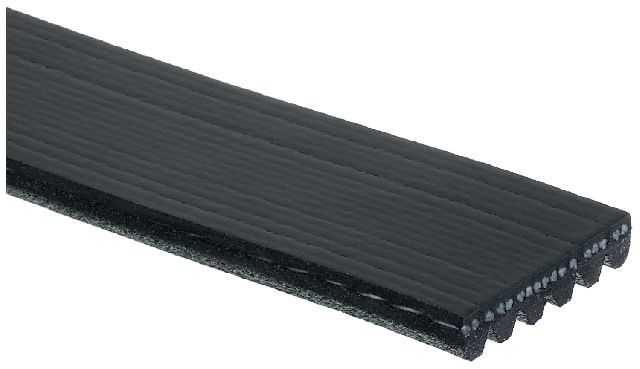
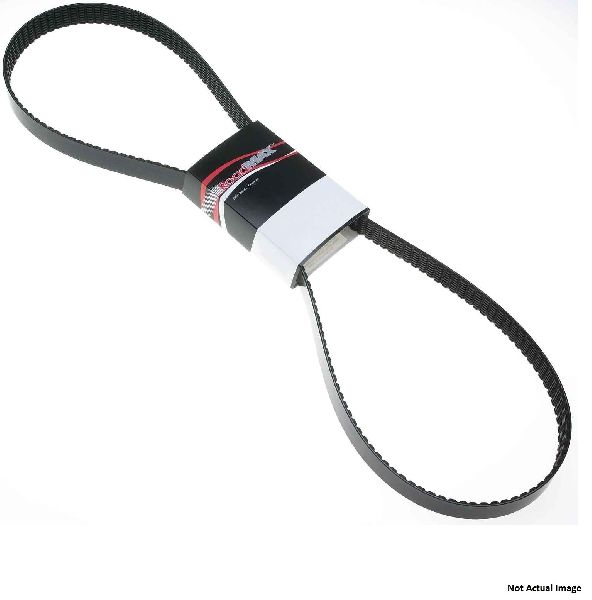
The serpentine belt, also called an accessory belt, is a crucial part for the proper operation of your 2001-2008 Seat Leon. It's responsible for running accessories like the alternator (which charges your battery), the power steering pump (which makes steering easy), and the A/C compressor. These belts are made from durable rubber compounds like EPDM and are designed to last for many miles, but they do wear out over time from heat and friction. Regular inspection is key to avoiding a breakdown.
Pro Tip: While the Seat Leon was not officially sold in North America, it's a popular car for importers. When ordering parts, always have your engine size (e.g., 1.8T, 1.9 TDI) and VIN ready, as different engines use different length belts.
Choosing the Right Aftermarket Serpentine Belt
When replacing your serpentine belt, you don't have to buy an expensive OEM (Original Equipment Manufacturer) part from the dealer. High-quality aftermarket brands often provide the same level of performance and durability for a lower price.
Gates Serpentine Belts: Gates is a well-respected, top-tier brand in the aftermarket world. They are known for making high-quality, durable belts that often meet or exceed OEM specifications. Many mechanics and experienced car owners trust Gates for their reliability. For a critical part like a serpentine belt, choosing a reputable brand like Gates is a smart investment in your vehicle's health.
Known Issues and What to Look For
While there are no specific recalls or widespread Technical Service Bulletins (TSBs) for serpentine belts on the 2001-2008 Seat Leon, some common issues can arise, especially on the VW/Audi group engines used in these cars.
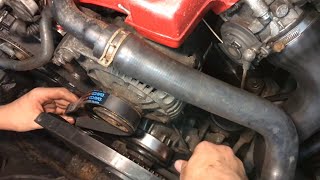
- Tensioner Failure: A rattling or flapping noise from the belt area often points to a worn-out belt tensioner, not just the belt itself. A stretched belt can cause the tensioner to rattle. 🎬 See how a stretched belt causes the tensioner to rattle. It's highly recommended to inspect the tensioner when you replace the belt and replace it if it's weak or noisy.
- Alternator Pulley Failure: On TDI diesel models, a squealing or flapping belt can be caused by a failed one-way clutch pulley on the alternator. 🎬 Watch how a failed pulley causes belt squealing and flapping. If this pulley seizes, it can quickly destroy a new belt and cause the tensioner to bounce erratically.
- Fluid Contamination: Oil or coolant leaks can drip onto the belt, causing the rubber to soften, swell, and slip. If you find fluid on your old belt, you must fix the leak before installing a new one.
| Part Type | Estimated Cost |
|---|---|
| New Aftermarket (Gates) | $5.74 - $43.93 |
| Shop Labor | $100 - $200 |
Frequently Asked Questions
How often should I replace my Seat Leon's serpentine belt?
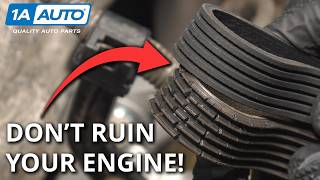
Most serpentine belts have a lifespan of 60,000 to 100,000 miles. However, it's best to visually inspect it during every oil change for cracks, fraying, or glazing. 🎬 Learn the visual signs that your belt needs immediate replacement. A good rule of thumb is to check it around the 40,000-mile mark and every 6,000 miles after that.
Is it hard to replace the serpentine belt myself?
For a moderately experienced DIYer, replacing the serpentine belt is usually a straightforward job that can take less than an hour. The main step is releasing the tension from the belt tensioner to slip the old belt off and the new one on. However, access can be tight on some engines. Always make sure you have a diagram of the belt routing before you start.
Should I replace the tensioner and pulleys with the belt?
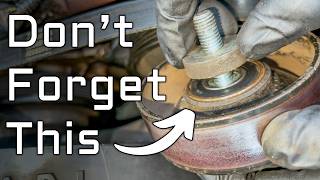
It is highly recommended. A worn tensioner or idler pulley can cause a new belt to fail prematurely. While the belt is off, spin each pulley by hand. If they feel rough, wobble, or make noise, they should be replaced. Many owners choose to replace the belt, tensioner, and any idler pulleys as a kit for peace of mind.
What's the difference between a serpentine belt and a timing belt?
The serpentine belt runs external engine accessories like the alternator and A/C. The timing belt is located inside the engine and synchronizes the crankshaft and camshafts. A timing belt failure can cause catastrophic engine damage, while a serpentine belt failure will just leave you stranded.
Helpful Videos
Technical Specifications
OEM Part Numbers: 038903315AE
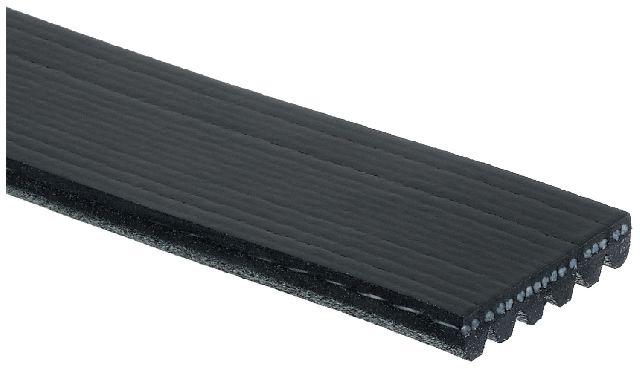
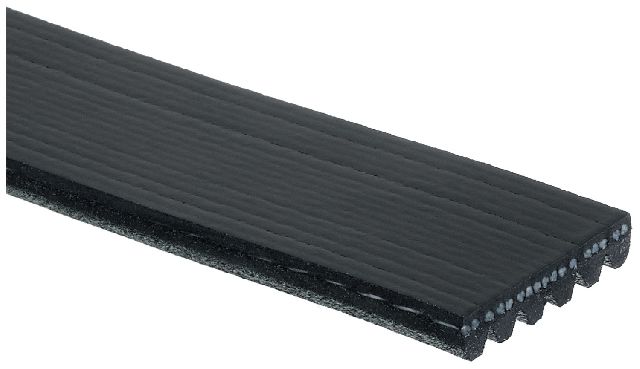
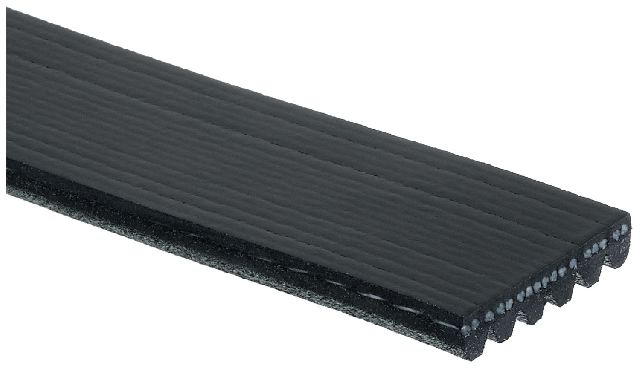
Material: EPDM (Ethylene Propylene Diene Monomer) Rubber. Rib Count: Typically 6 ribs (6PK). Length: Varies significantly by engine and accessory configuration (e.g., with or without A/C).
We Have This Part in Stock

The information in this article is provided for general reference and educational purposes only. Vehicle specifications, procedures, and part compatibility can vary by production date, trim level, and region. Always consult your vehicle's factory service manual and verify part numbers before purchasing or performing repairs. Safety-critical components such as airbags, seat belts, and braking systems should be installed by a qualified professional.
- Seat Leon: