

A Guide to Aftermarket Disc Brake Pads for the 2006-2009 Volkswagen Rabbit
Stop the noise and confusion when choosing the right new brake pads for your VW Rabbit.
- This guide applies ONLY to the 2006-2009 VW Rabbit. The 2001-2005 model is a Golf and uses different parts.
- You MUST verify your front brake rotor diameter (e.g., 288mm or 312mm) before ordering pads to ensure correct fitment.
- For most drivers, an OEM-quality ceramic pad from brands like Bosch, Akebono, or Textar offers the best balance of performance, low dust, and value.
- When replacing rear pads, a special tool is required to rewind the caliper piston; failure to use it will damage the caliper.
Is Your Rabbit a 2001-2005 Model? A Note on Vehicle Years
First, let's clarify the model years. This guide is specifically for the Volkswagen Rabbit sold in North America from 2006 to 2009 (the MK5 platform). While the Rabbit name has a long history, it was not used in the U.S. market between 1985 and 2005. If you have a 2001-2005 model, your car is a Volkswagen Golf, which uses different brake parts. Always confirm your vehicle is a 2006, 2007, 2008, or 2009 Rabbit before ordering parts.
Symptoms of Worn Brake Pads
Your Rabbit will usually give you clear signs that the brake pads are ready for replacement. Ignoring them can lead to more expensive repairs. Look out for:
- Squealing or Screeching: A high-pitched noise when you apply the brakes. This is often caused by a small metal tab called a wear indicator making contact with the rotor.
- Grinding Noises: A loud, harsh grinding sound means the friction material is completely gone, and the metal backing plate is grinding against the rotor. Stop driving immediately if you hear this.
- Vibration or Pulsating: A shaking feeling in the steering wheel or brake pedal when you brake can point to worn pads or warped rotors.
- Longer Stopping Distances: If your car takes longer to stop than it used to, your pads are likely worn out and can't create enough friction.
- Brake Warning Light: Your dashboard may have a light that illuminates when the brake pads are low, thanks to electronic wear sensors.
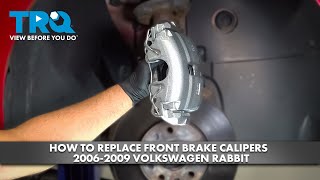
- Pulling to One Side: If the car pulls left or right during braking, it could mean uneven pad wear or a problem with a brake caliper. 🎬 See how to replace a front brake caliper yourself.
Important: Check Your Brake Size Before Ordering!
Volkswagen used different brake sizes on the same Rabbit models. Front brake rotors could be 288mm or 312mm in diameter. This is the most common ordering mistake. You must measure your existing rotors or verify the size through your vehicle's PR code to ensure you get the correct pads that match your calipers and rotors.
Choosing the Right Aftermarket Brake Pads
Aftermarket pads offer a wide range of options for price and performance. They can be just as good as, or even better than, Original Equipment (OE) pads, depending on the brand and your needs. Here’s how to choose.
1. Economy & Daily Driver Pads
This is the best choice for most Rabbit owners who use their car for commuting and daily errands. These pads offer a balance of performance, low noise, and affordability. Many are ceramic, which helps reduce brake dust on your wheels.
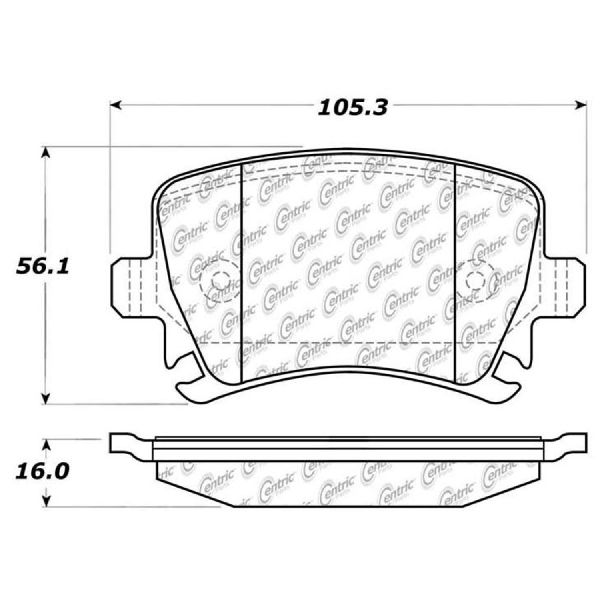
- Brands in this tier: Bosch QuietCast, Akebono, Centric, Raybestos, Wagner, Dynamic Friction, Pronto.
- Best for: Everyday driving, quiet operation, and keeping wheels clean. Akebono and Bosch are frequently praised for their low-dust, OE-like performance.
2. OEM-Quality & European OE Supplier Pads
These pads are made by companies that supply Volkswagen directly. They are designed to restore the original braking feel and performance of your car. They are a very safe bet for a perfect fit and predictable performance.
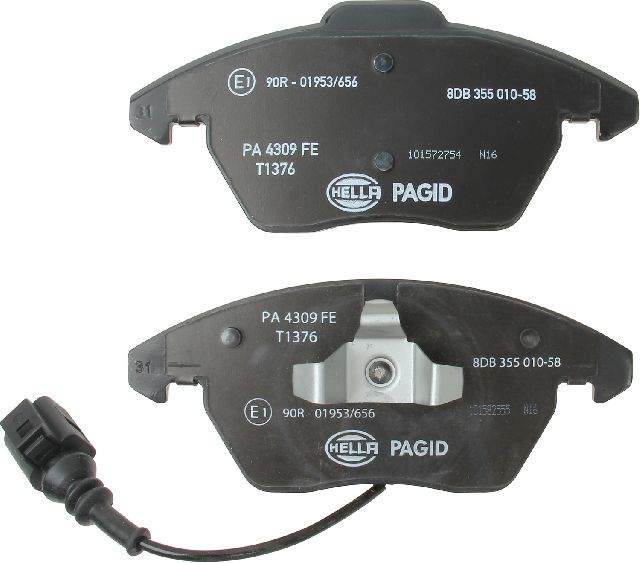
- Brands in this tier: Textar, Pagid, ATE, Brembo (OE line).
- Best for: Owners who want to maintain the factory braking characteristics without paying dealer prices. Textar and Pagid are well-regarded OEM suppliers for German vehicles.
3. Performance & Enthusiast Pads
If you enjoy spirited driving or want a stronger initial bite and better resistance to brake fade during heavy use, performance pads are the way to go. The trade-off can be more brake dust, potential for noise when cold, and faster wear.
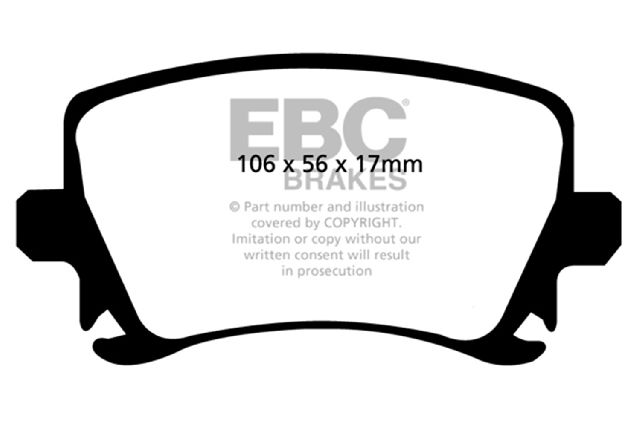
- Brands in this tier: Hawk (HPS, HP+), EBC Brakes (Greenstuff, Redstuff), StopTech, Powerstop.
- Best for: Aggressive street driving and improved stopping power. Hawk HPS is a popular choice for a street performance upgrade, offering a noticeable improvement over stock.
Pro Tip: Service Your Calipers
The 2006-2009 Rabbit can be prone to sticking rear brake calipers, especially if the car sits for long periods. When changing your pads, always clean and lubricate the caliper slide pins to ensure they move freely. This prevents uneven pad wear and ensures your new pads last as long as possible.
Known Issues: ABS Module Recall
Volkswagen issued a recall (NHTSA ID: 16V913) for some 2009 Rabbit models related to the ABS control module. This module could fail, disabling the Anti-lock Braking System (ABS) and Electronic Stability Control (ESC), increasing crash risk. The fix was a free software update or module replacement from a VW dealer. While this doesn't affect the pads themselves, a functioning ABS system is crucial for safety.
Cost to Replace Volkswagen Rabbit Brake Pads
| Part | Price Range |
|---|---|
| Aftermarket Disc Brake Pad Set (Front or Rear) | $30 - $160 |
| Shop Labor (Pads Only) | $120 - $250 per axle |
| Shop Labor (Pads & Rotors) | $180 - $350 per axle |
Frequently Asked Questions
Do I need to replace my rotors with my pads?
It is highly recommended. New pads need a perfectly flat surface to bed into correctly. Installing new pads on old, worn rotors will cause noise, vibration, and reduced performance, and will wear out the new pads much faster.
What is a brake pad wear sensor?
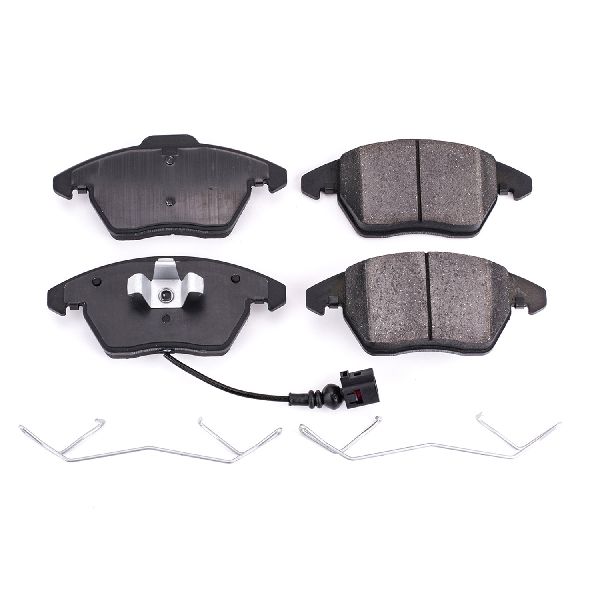
Your Rabbit is equipped with electronic brake wear sensors on the front axle. It's a small probe embedded in the brake pad that makes contact with the rotor when the pad material is low, completing a circuit and turning on a warning light on your dashboard. Most aftermarket pad sets include a new sensor.
Do I need a special tool for the rear brakes?
Yes. The rear brake caliper piston on the 2006-2009 Rabbit must be pushed and turned clockwise at the same time to retract it. You will need a caliper rewind tool kit, which is widely available at auto parts stores. Attempting to just push the piston back with a C-clamp will damage the caliper.
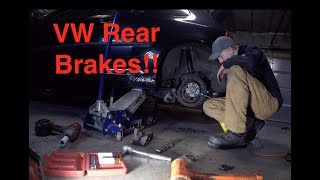
🎬 Watch this step-by-step guide for replacing your rear brakes.What is brake pad 'bedding-in'?
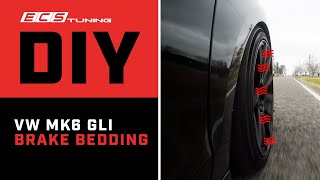
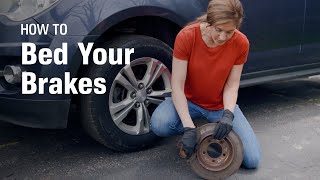
Bedding-in, or breaking in, is a process of controlled stops to transfer an even layer of friction material from the new pads to the new rotors. This process is critical for smooth, quiet, and powerful braking. Your new brake pads will come with specific instructions from the manufacturer on how to perform this procedure.
🎬 Watch this video to learn how to bed your pads.Helpful Videos

Technical Specifications
OEM Part Numbers: 1K0698151E 5K0698151 3C0698151C 1K0698451G 1K0698451K
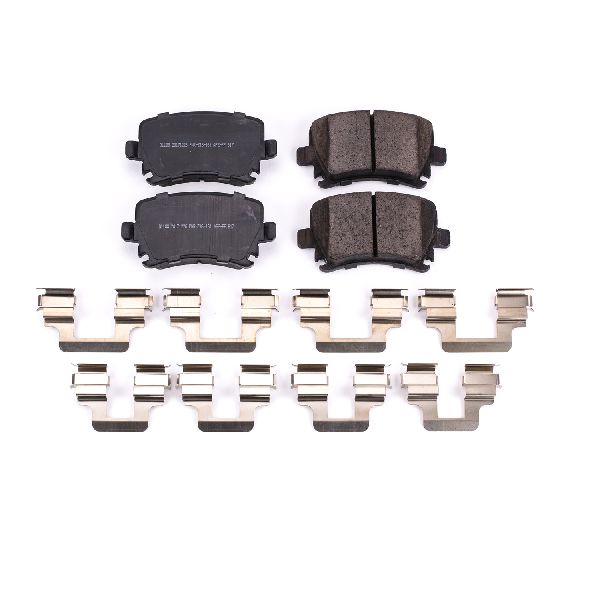
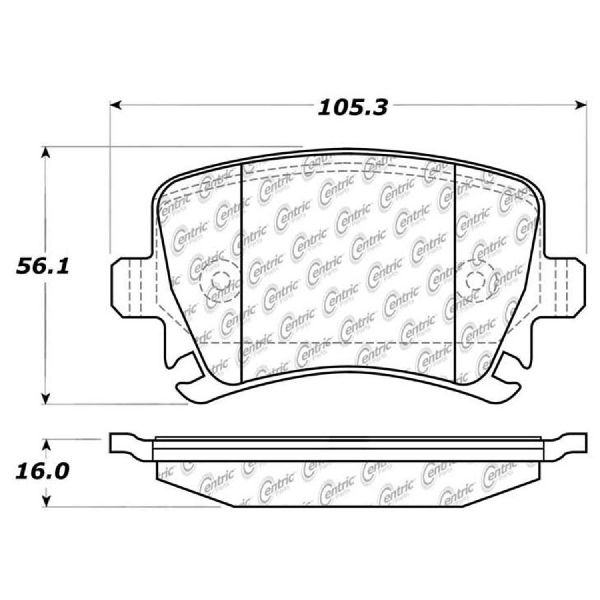
Pad materials are typically ceramic or semi-metallic. Front pads often include an electronic wear sensor. Rear caliper piston requires a rewind tool for retraction. Various front brake sizes were used, requiring verification before purchase.
We Have This Part in Stock

The information in this article is provided for general reference and educational purposes only. Vehicle specifications, procedures, and part compatibility can vary by production date, trim level, and region. Always consult your vehicle's factory service manual and verify part numbers before purchasing or performing repairs. Safety-critical components such as airbags, seat belts, and braking systems should be installed by a qualified professional.
- Volkswagen Rabbit:
- 🎬 Helpful Videos
- 🛍️ Shop This Part
- Is Your Rabbit a 2001-2005 Model? A Note on Vehicle Years
- Symptoms of Worn Brake Pads
- Important: Check Your Brake Size Before Ordering!
- Choosing the Right Aftermarket Brake Pads
- 1. Economy & Daily Driver Pads
- 2. OEM-Quality & European OE Supplier Pads
- 3. Performance & Enthusiast Pads
- Pro Tip: Service Your Calipers
- Known Issues: ABS Module Recall
- Cost to Replace Volkswagen Rabbit Brake Pads
- Frequently Asked Questions
- 🎟️ Get 5% Off