

A Kia Rio Owner's Guide to Accessory Drive Belts (2001-2012)
Understand the signs of a failing drive belt and choose the right replacement for your specific Kia Rio.
- The 2001-2005 Rio uses two manually-tensioned belts; 2006-2011 uses one serpentine belt with an automatic tensioner.
- Squealing noises and visible cracks are the primary warnings that your belt needs immediate inspection and likely replacement.
- A broken belt will disable your car; do not drive with a known bad belt as it can lead to overheating and engine damage.
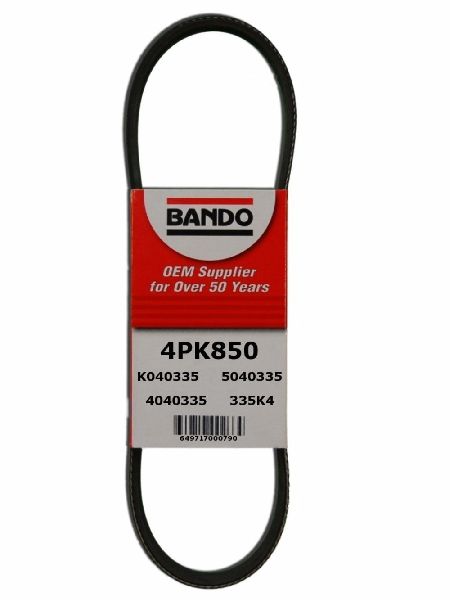
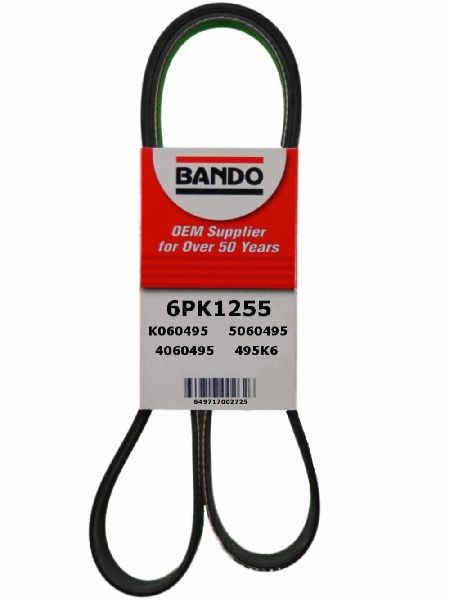
- Premium aftermarket brands like Gates, Continental, and Bando offer OEM-quality replacements for less money.
Understanding Your Rio's Belt System: A Tale of Two Generations
The 2001-2012 Kia Rio spans two different vehicle generations with two distinct accessory belt systems. It is critical to identify which system your car has before buying parts.
- 2001-2005 (First Generation): These models use a two-belt system. One belt is for the alternator and water pump, and a second belt is for the A/C and power steering. This system uses a manual tensioner, meaning the alternator and power steering pump must be physically moved to create the correct belt tension. Incorrect manual tension is a common cause of squealing noises or premature wear on accessory bearings.
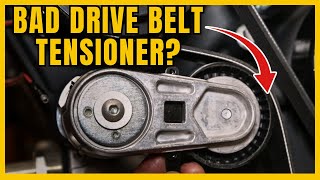
- 2006-2011 (Second Generation): These models use a single, modern serpentine belt that powers all accessories. This system is equipped with an automatic belt tensioner, which is a spring-loaded pulley that maintains the correct tension at all times, making it more reliable and easier to service.
Symptoms of a Failing Accessory Drive Belt
A failing belt usually provides clear warning signs. Ignoring them can lead to a breakdown and potentially severe engine damage from overheating.
- Squealing or Chirping Noises: This is the most common symptom, especially on cold starts, during sharp turns, or when the A/C is turned on. The noise comes from the belt slipping on the pulleys.
- Visible Wear: Inspect the belts with the engine off. Look for cracks, fraying, glazing (a smooth, shiny surface), or missing ribs. Any visible damage means the belt is due for replacement.
- Accessory Problems: If your power steering becomes heavy, the A/C blows warm air, or the battery warning light appears on your dash, the belt may be slipping and failing to power those components.
- Overheating Engine: A critical symptom. If the belt driving the water pump fails, the engine will overheat rapidly. Pull over immediately if you see the temperature gauge rising.
Choosing the Right Aftermarket Belt for Your Rio
For a wear item like an accessory belt, high-quality aftermarket brands offer performance and longevity that is equal to, and sometimes better than, the original OEM part. The key is choosing a reputable manufacturer. Aftermarket belts are made from a durable EPDM rubber compound designed to resist heat and cracking.
Brand Quality Tiers
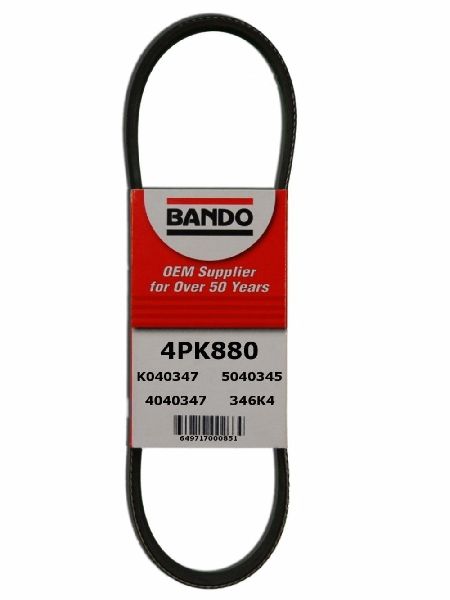
- Premium / OEM-Supplier Quality (Recommended): Brands like Gates, Continental, Bando, and Mitsuboshi are often original equipment suppliers to automakers, including Kia. They are trusted by professional mechanics for their precise fit and durability. For long-term reliability, these brands are a top choice.
- Standard / Value Quality: Brands like Dayco and ACDelco are well-respected in the industry and provide a reliable, cost-effective solution for most owners. They meet or exceed OEM specifications and are an excellent balance of price and performance.
Estimated Replacement Costs
The cost to replace the accessory drive belt(s) on a Kia Rio is affordable. The main difference in cost is the shop labor time.
| Part / Service | Estimated Cost |
|---|---|
| New Aftermarket Belt(s) | $7 - $33 |
| New OEM Belt(s) | $45 - $65 |
| Shop Labor | $75 - $150 |
| Total Professional Replacement (Aftermarket) | $82 - $183 |
Note: Costs are estimates and may vary based on your location and vehicle's specific needs. First-generation models require replacing two belts.
Frequently Asked Questions (FAQ)
How often should I replace my Kia Rio's accessory belts?
A good rule of thumb is to inspect the belts at every oil change and plan for replacement every 40,000 to 60,000 miles, or as soon as they show signs of cracking, fraying, or glazing. Always follow the inspection and replacement intervals in your owner's manual.
Is an OEM belt from Kia better than an aftermarket one?
Not necessarily. For this part, top-tier aftermarket brands like Gates, Continental, or Bando are often the same manufacturers that supply Kia. They provide the same quality and durability, often at a lower price. Choosing a reputable aftermarket brand is a smart and safe way to save money.
What is the difference between an accessory belt and a timing belt?
The accessory belt (or serpentine belt) is visible on the outside of the engine and runs your accessories. The timing belt is located inside the engine behind a protective cover and synchronizes the engine's internal moving parts. A failing timing belt can cause catastrophic engine damage, while a failing accessory belt will disable your accessories and cause overheating.
🎬 Learn how to replace the critical internal timing belt.Can I replace the accessory belt myself?
For a 2006-2011 model with an automatic tensioner, this is a relatively simple DIY job for those with basic tools. 🎬 Watch this step-by-step guide to replacing your Rio's drive belts. For 2001-2005 models, the manual tensioning process can be tricky for beginners. If you set the tension too loose, the belt will squeal; too tight, and you risk damaging the bearings in your alternator or power steering pump.
Helpful Videos



Technical Specifications
OEM Part Numbers: 0K21A-18-381 (2001-05 Alt/WP Belt) 0K30C-15909C (2001-05 AC/PS Belt) 25212-26021 (2006-11 Serpentine Belt)
System type varies by year. 2001-2005 models use a two-belt V-ribbed system with manual tensioning. 2006-2011 models use a single serpentine V-ribbed belt with an automatic tensioner. The 2012 model year was a transition; visual confirmation of the belt system is required.
We Have This Part in Stock


The information in this article is provided for general reference and educational purposes only. Vehicle specifications, procedures, and part compatibility can vary by production date, trim level, and region. Always consult your vehicle's factory service manual and verify part numbers before purchasing or performing repairs. Safety-critical components such as airbags, seat belts, and braking systems should be installed by a qualified professional.
- Kia Rio: