

A Guide to Spark Plugs for the 2002-2003 Mazda Protege5
Get the best performance from your Protege5's 2.0L engine by choosing the right spark plugs.
- For best results and reliability, use NGK or Denso brand spark plugs, as they are the OEM suppliers.
- Many owners prefer affordable NGK V-Power copper plugs (BKR5E-11) and change them more frequently.
- Always check the spark plug gap before installation; it should be 0.044 inches (1.1 mm).
- Replacement is a simple DIY task that can be completed in under an hour with basic tools.
Symptoms of Failing Spark Plugs
Worn-out spark plugs can cause noticeable problems in your Protege5. If you experience any of these signs, it might be time for a replacement:
- Rough Idling: The engine may shake or vibrate more than usual when the car is stopped. 🎬 Watch a professional case study on diagnosing a rough idle.
- Misfires: You might feel a hesitation or stumble from the engine during acceleration. This can trigger the Check Engine Light with codes like P0300, P0301, P0302, P0303, or P0304. 🎬 See how to diagnose and repair a P0300 engine code.
- Poor Fuel Economy: Inefficient combustion from bad plugs means your engine uses more fuel to do the same amount of work.
- Reduced Power: The car may feel sluggish and slow to accelerate.
- Difficulty Starting: Weak or fouled plugs can make it harder for the engine to start, especially in cold weather.
A Note on a Specific Protege5 Issue
Some 2003 Protege models with the 2.0L engine have a known issue with the Intake Manifold Runner Control (IMRC) system. Screws holding the butterfly valves can loosen and fall into the combustion chamber, sometimes hitting the spark plug and closing the gap to zero. This causes an immediate misfire. While not a spark plug failure itself, it's a related problem owners should be aware of if they find a plug with a bent or closed tip.
Choosing the Right Aftermarket Spark Plugs
Your Protege5 came from the factory with specific spark plugs, and it's best to stick close to that design. For this vehicle, owners and mechanics overwhelmingly recommend NGK or Denso brand plugs. These are the original equipment (OEM) suppliers for most Japanese vehicles, and their quality is trusted.
Brand Tiers for Your Protege5
- Best Choice (OEM equivalent): NGK & Denso
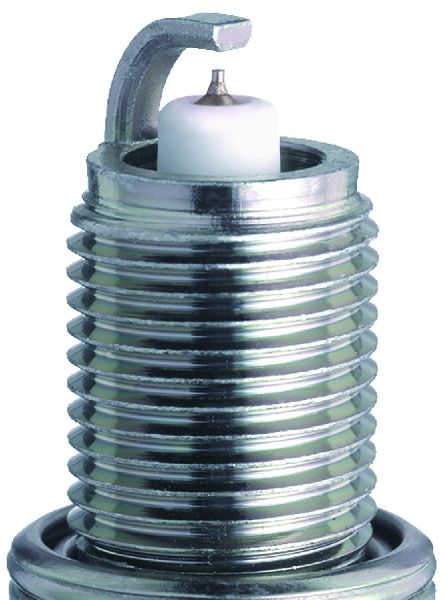
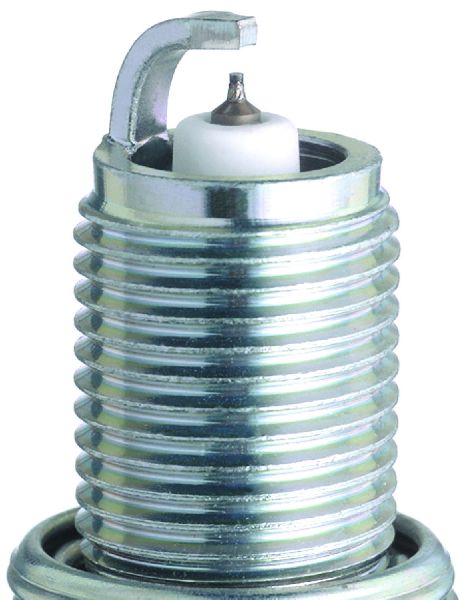
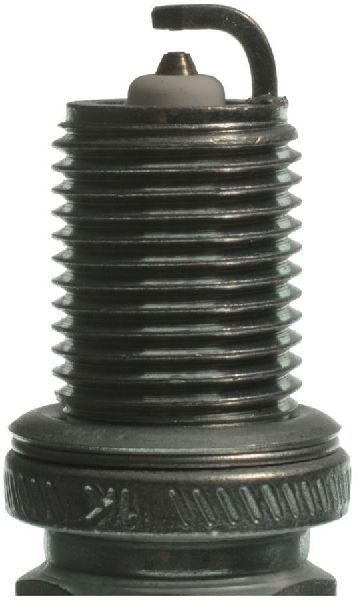
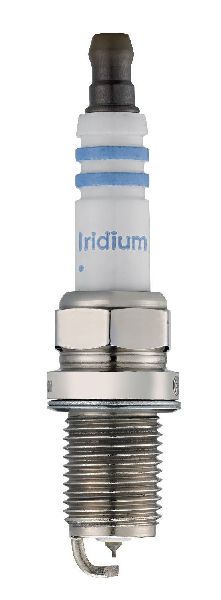
These brands are the most recommended for reliability and performance in the Protege5. Many owners specifically suggest the NGK V-Power copper plugs (BKR5E-11 or the long-reach ZFR5F-11) as a high-performing, affordable option. Iridium versions like the NGK Iridium IX offer a longer service life. - Good Value: Bosch & Champion
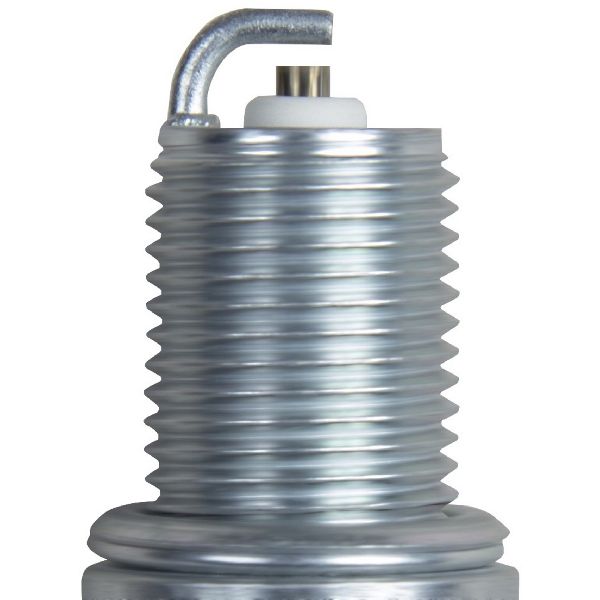
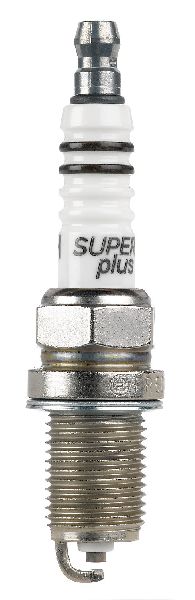
Bosch and Champion offer platinum and iridium plugs that are widely available. While some owners use them without issue, the general consensus in Mazda communities favors NGK and Denso for the best compatibility. Some users have reported issues with certain Bosch platinum plugs in other vehicles. - Standard/Economy: Autolite
Autolite provides basic copper and platinum plugs that meet the minimum requirements. They are a budget-friendly option but are not as frequently recommended by Protege5 enthusiasts as NGK or Denso.
| Brand Tier | Material | Estimated Price (4 Plugs) |
|---|---|---|
| Best Choice (NGK, Denso) | Copper / Iridium | $12 - $45 |
| Good Value (Bosch, Champion) | Platinum / Iridium | $15 - $50 |
| Standard (Autolite) | Copper / Platinum | $10 - $35 |
Check the Gap!
Even if plugs are advertised as "pre-gapped," you should always verify the gap with a feeler gauge before installation. The correct spark plug gap for the 2002-2003 Protege5 is typically 1.1 mm or 0.044 inches. An incorrect gap can lead to poor performance and misfires.
Frequently Asked Questions (FAQ)
How often should I replace the spark plugs on my Protege5?
It depends on the type of plug. Standard copper plugs, like the recommended NGK V-Powers, should be changed every 30,000 miles. More expensive Iridium or Platinum plugs can last much longer, often between 60,000 and 100,000 miles.
Is it hard to replace the spark plugs myself?
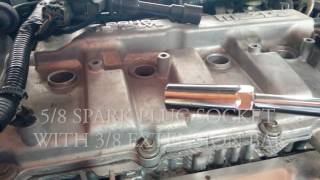
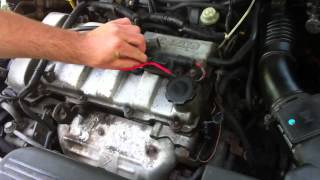
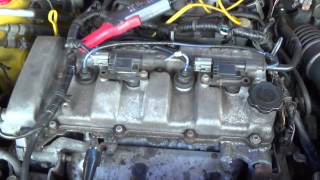
No, this is a very beginner-friendly job. It requires basic tools like a ratchet, a 10mm socket, an extension, and a 5/8" spark plug socket. The process involves removing two ignition coils and two spark plug wires to access the four plugs. The entire job can usually be done in under an hour.
🎬 Watch this step-by-step walkthrough of a Protege spark plug change.Should I use Iridium or standard Copper plugs?
Many Protege5 owners prefer standard NGK copper plugs because they are inexpensive and perform very well. Iridium plugs from NGK or Denso are a great upgrade if you want a much longer service interval. Avoid multi-electrode or gimmick plugs, as they offer no real benefit for this engine and can be a waste of money.
Do I need to use anti-seize on the new spark plug threads?
This is a debated topic. Major manufacturers like NGK advise against using anti-seize on their modern plugs because the plating already prevents seizing. If you do use it, you must reduce the torque setting to avoid over-tightening, which can damage the plug or the engine's cylinder head. If you use a torque wrench, the specification is typically 11-16 ft-lbs.
Helpful Videos

Technical Specifications
OEM Part Numbers: NGK BKR5E-11 Denso K16PR-U11
Hex Size: 5/8" (16mm) Gap: 0.044" (1.1mm) Torque Spec: 11-16 ft-lbs
We Have This Part in Stock

The information in this article is provided for general reference and educational purposes only. Vehicle specifications, procedures, and part compatibility can vary by production date, trim level, and region. Always consult your vehicle's factory service manual and verify part numbers before purchasing or performing repairs. Safety-critical components such as airbags, seat belts, and braking systems should be installed by a qualified professional.
- Mazda Protege5: