

A Comprehensive Guide to Oxygen Sensors for the 2002-2006 Chevrolet Trailblazer EXT
Fix your check engine light and restore performance by understanding and choosing the right oxygen sensor for your Trailblazer.
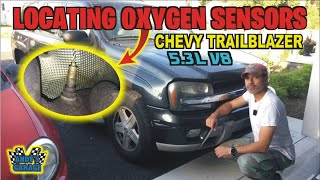
- Your Trailblazer EXT has four oxygen sensors; two upstream for fuel control and two downstream for catalyst monitoring.
- For best results, choose OEM-equivalent brands like ACDelco, Denso, or NGK/NTK.
- Check the Bank 1 Sensor 1 (driver's side, upstream on V8) wiring for melting, as noted in a GM service bulletin.
- Using a special O2 sensor socket and warming up the exhaust can make removal much easier and prevent damage.
Symptoms of a Bad Oxygen Sensor


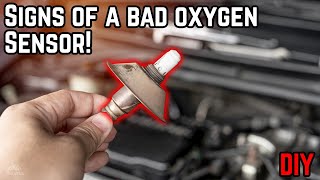
When an oxygen sensor fails on your Trailblazer, your truck's computer will usually let you know by turning on the Check Engine Light. You might also notice other signs that point to a failing sensor:
- Poor Fuel Economy: A bad sensor can send wrong information, causing the engine to use more fuel than needed.
- Rough Idle or Misfiring: The engine may run unevenly or feel shaky when stopped.
- Failed Emissions Test: A bad O2 sensor is a common reason for failing a state-mandated emissions inspection.
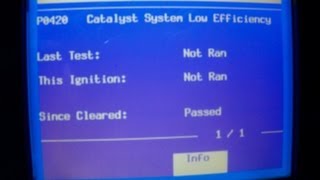
- Specific Trouble Codes: A mechanic or an OBD-II scanner can read codes from your vehicle. Codes like P0135, P0141, P0155, and P0161 point directly to a fault in the sensor's heater circuit. Code P0420 can also be caused by a failing sensor. 🎬 See this helpful breakdown of the P0420 trouble code.
Known Issue: Melted Oxygen Sensor Wires
General Motors released a Technical Service Bulletin (TSB) for some Trailblazer models regarding the Bank 1 Sensor 1 (upstream sensor on the driver's side for the V8) wiring. The wire harness can be routed too close to the hot exhaust pipe, causing it to melt. If you are replacing this sensor, inspect the new sensor's wiring to ensure it is routed safely away from the exhaust.
Choosing the Right Aftermarket Oxygen Sensor

Not all aftermarket sensors are created equal. For a critical part like an O2 sensor, quality matters. Here’s a breakdown of the brands available for your Trailblazer EXT.
Tier 1: OEM & Premium Aftermarket
These brands are either the original equipment manufacturer (OEM) or are known to meet or exceed OEM quality. They are the most recommended choice for reliability.
- ACDelco: As GM's official parts brand, this is the closest to what your vehicle came with from the factory.
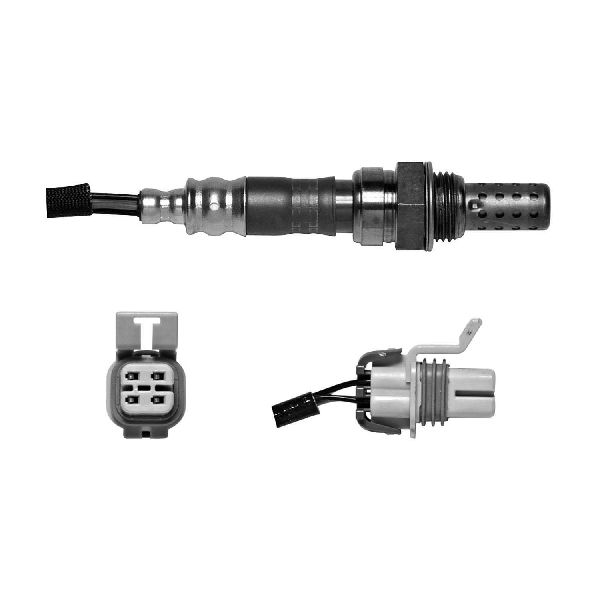
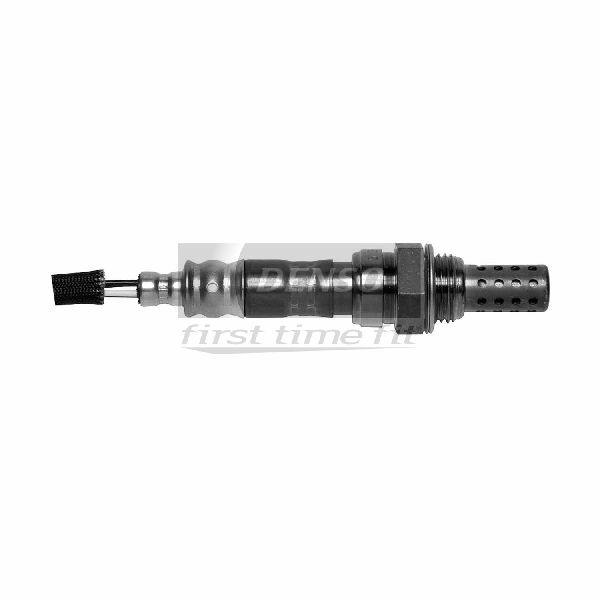
- Denso & NGK (NTK): These companies are major OEM suppliers for many car brands, including GM. Forum users report that ACDelco sensors are often just rebranded Denso or NGK parts. Choosing one of these brands is a reliable way to get OEM quality, sometimes for a lower price.
Tier 2: Quality Direct-Fit Aftermarket
These brands are well-established in the aftermarket and offer a good balance of quality and price. They are generally reliable direct-fit replacements.
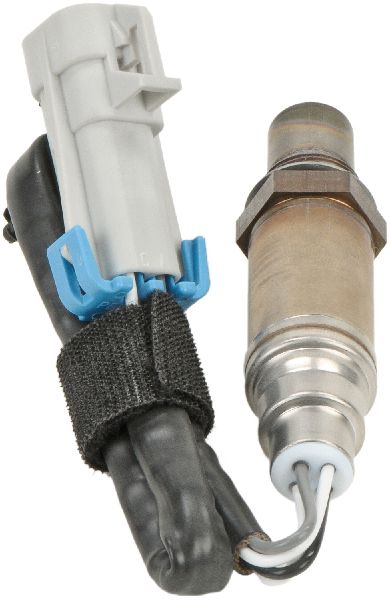
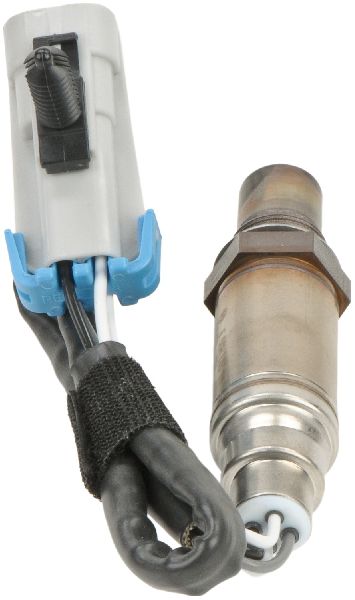
- Bosch: A huge name in automotive parts, Bosch sensors are a common replacement. While a quality brand, some Trailblazer owners on forums have reported occasional compatibility issues, making Denso or NGK a safer bet for this specific vehicle.
- Delphi: Another former GM parts division, Delphi produces quality components that are a solid choice for replacement.
- Walker Products & Spectra: These are reputable aftermarket brands that specialize in exhaust and emissions components.
Tier 3: Economy Brands
These brands focus on providing the lowest price point. While they can work, their lifespan and performance may not match the higher-tier options.
- DriveWire, TRQ, DriveBolt: These are often budget-friendly options. Experienced mechanics often advise against using the cheapest sensors, as they can fail prematurely or provide inaccurate readings, causing persistent performance issues.
Pro Tip: Replace in Pairs
Oxygen sensors degrade over time. If one sensor fails, the one in the same position on the other bank (for V8s) or the other sensor on the same bank (upstream/downstream) is likely of similar age and condition. It's good practice to replace upstream or downstream sensors in pairs to ensure balanced engine performance.
Frequently Asked Questions (FAQ)

Which sensor is Bank 1, Sensor 1?
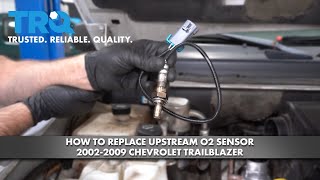
On the 5.3L V8 engine, "Bank 1" is the driver's side of the engine. "Bank 2" is the passenger's side. On the 4.2L Inline-6 engine, there is only one bank. "Sensor 1" is always the upstream sensor 🎬 Watch: Step-by-step guide to replacing your upstream oxygen sensor. (before the catalytic converter), and "Sensor 2" is the downstream sensor (after the catalytic converter).
Can I replace just one oxygen sensor?
Yes, you can replace only the failed sensor. However, since they wear out at a similar rate, it is often recommended to replace them in pairs (both upstream or both downstream on V8 models) to maintain balanced readings and avoid another replacement in the near future.
Do I need a special tool to replace an oxygen sensor?
A special tool called an O2 sensor socket is highly recommended. This socket has a slit down the side to fit over the sensor's wire. The size is typically 22mm or 7/8". While a standard wrench can sometimes work, the socket provides a much better grip and reduces the risk of stripping the sensor, which can be seized in the exhaust pipe from rust and heat.
What's the difference between upstream and downstream sensors?
Upstream sensors (Sensor 1) are located before the catalytic converter and are critical for adjusting the engine's air-fuel mixture in real-time. Downstream sensors (Sensor 2) are located after the catalytic converter and primarily monitor the converter's efficiency to make sure it's cleaning the exhaust properly.
Should I use anti-seize on the new sensor?
Yes. Most new, quality oxygen sensors come with anti-seize compound already applied to the threads. If your new sensor does not have it, apply a small amount of high-temperature anti-seize to the threads, being careful not to get any on the sensor tip itself. This will make future removal much easier.
Helpful Videos
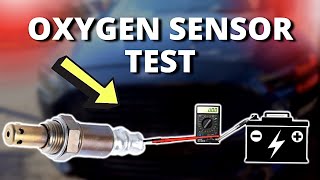
Technical Specifications
OEM Part Numbers: 12656071 12612571 12637297
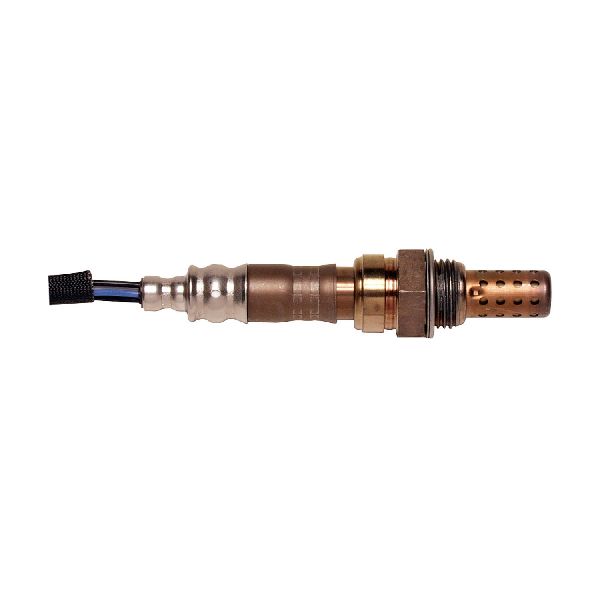
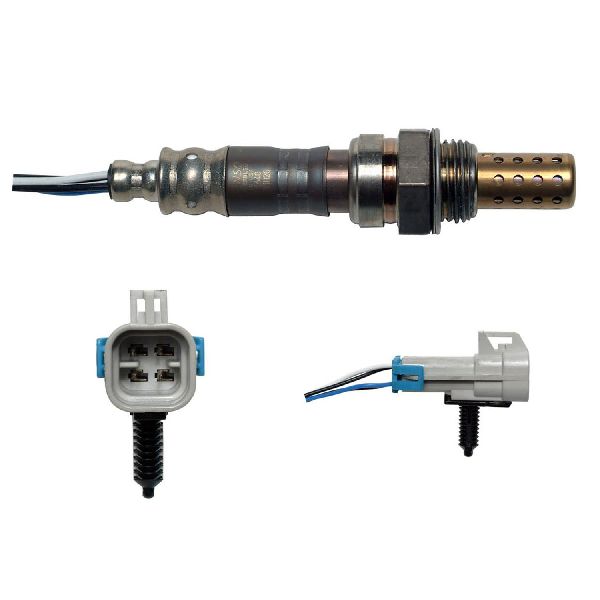
Your Trailblazer EXT uses heated, 4-wire oxygen sensors with a specific square connector. The thread size is M18x1.5 and requires a 22mm (7/8") wrench or socket for removal. Universal sensors that require splicing wires are not recommended.
We Have This Part in Stock

The information in this article is provided for general reference and educational purposes only. Vehicle specifications, procedures, and part compatibility can vary by production date, trim level, and region. Always consult your vehicle's factory service manual and verify part numbers before purchasing or performing repairs. Safety-critical components such as airbags, seat belts, and braking systems should be installed by a qualified professional.
- Chevrolet Trailblazer EXT:
- 🎬 Helpful Videos
- 🛍️ Shop This Part
- Symptoms of a Bad Oxygen Sensor
- Known Issue: Melted Oxygen Sensor Wires
- Choosing the Right Aftermarket Oxygen Sensor
- Tier 1: OEM & Premium Aftermarket
- Tier 2: Quality Direct-Fit Aftermarket
- Tier 3: Economy Brands
- Pro Tip: Replace in Pairs
- Frequently Asked Questions (FAQ)
- 🎟️ Get 5% Off