

A Guide to Replacing 2002-2006 Honda Civic Front Control Arms
Fix clunks, sloppy steering, and uneven tire wear by choosing the right replacement control arm for your Civic.
- The most common failure on the 2002-2006 Civic is the rubber control arm bushings, not the arm itself.
- Replacing the entire control arm assembly (with pre-installed bushings and ball joint) is easier and often more cost-effective than just replacing the bushings.
- A wheel alignment is mandatory after replacing control arms to prevent poor handling and rapid tire wear.
- For most owners, a standard OEM-equivalent brand like Dorman, Delphi, or Mevotech offers the best combination of quality and value.
Is Your Civic's Front Suspension Making Noise?

If you're hearing clunking sounds, feeling vibrations in the steering wheel, or noticing your tires are wearing out unevenly, there's a good chance the front lower control arms need attention. On the 7th generation Honda Civic (2002-2006), the control arm bushings, especially the large rear compliance bushing, are a common failure point. Over time, the rubber in these bushings degrades, cracks, and tears, leading to excessive movement in the suspension.
Common Failure Point: The Bushings
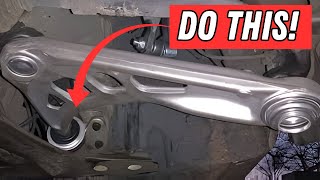
The most frequent issue on these Civics isn't the metal arm bending, but the rubber bushings wearing out. A torn bushing allows the arm to shift, causing alignment problems, clunking noises over bumps, and a loose or wandering feeling in the steering.
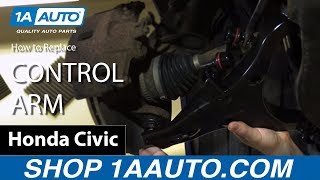
🎬 Watch: Learn how to identify symptoms of a bad control arm.Choosing the Right Aftermarket Control Arm

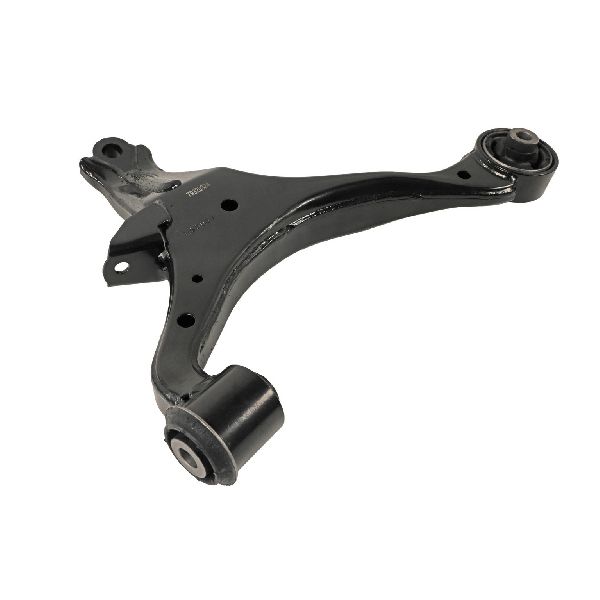
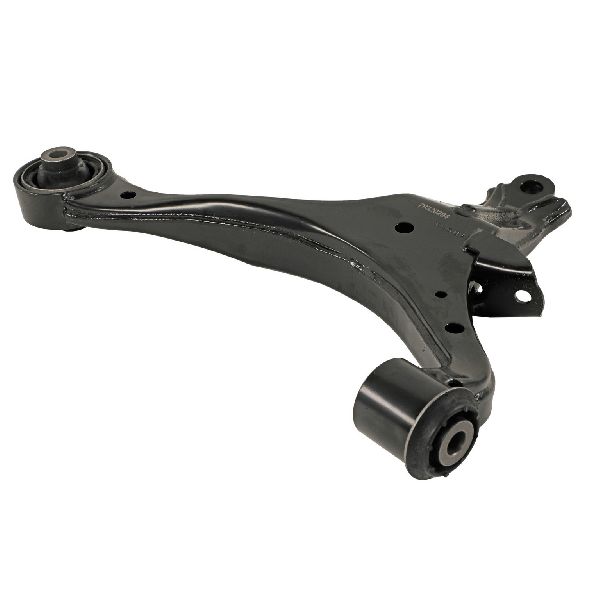
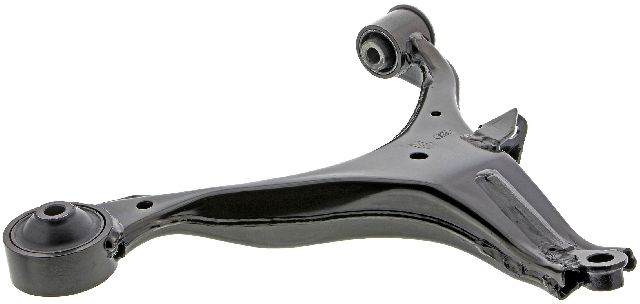
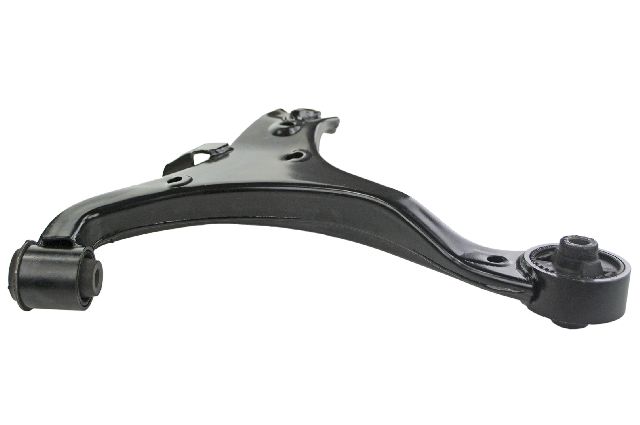
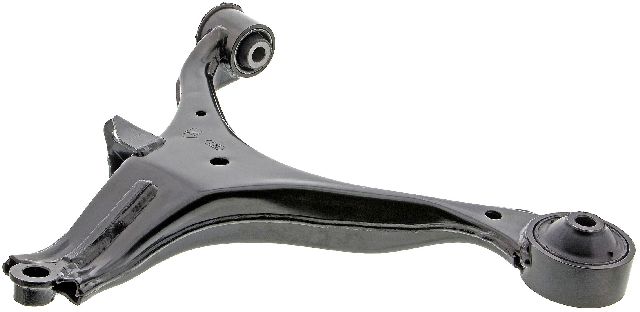
For a vehicle of this age, replacing the entire control arm assembly is usually the best approach. These assemblies come with new bushings and a new ball joint already installed, which saves a significant amount of labor. Trying to press old bushings out and new ones into the original arm can be difficult without special tools. Here’s a breakdown of the types of aftermarket brands available:
- Economy Brands (e.g., Skyward, Suspensia): These are the most budget-friendly options. They are a good choice if you need to get your car back on the road for the lowest cost, but their long-term durability may not match more expensive brands.
- Standard / OEM-Equivalent Brands (e.g., Dorman, Delphi, Beck Arnley, ACDelco): This is the sweet spot for most daily drivers. Brands like Dorman and Delphi often provide quality that meets or exceeds the original part, sometimes with design improvements. They offer a great balance of price, quality, and durability.
- Premium / Problem-Solver Brands (e.g., Mevotech, Moog): These brands are known for building heavy-duty components designed to address common factory weaknesses. Mevotech's Supreme and TTX lines, for example, are popular for their durability. While Moog has historically been a top choice, some users report that quality can be inconsistent in recent years.
- Performance Brands (e.g., Skunk2 Racing, Whiteline): These brands are for owners looking to upgrade their suspension for better handling, often for performance driving. They typically use stiffer polyurethane bushings which provide more feedback but can result in a harsher ride compared to standard rubber.
Pro Tip: When replacing control arms, it is highly recommended to replace them in pairs (both left and right sides). If one side has failed, the other is likely not far behind. This ensures balanced handling and suspension performance.
Known Issues, Recalls, and Service Bulletins

While there have been numerous recalls for the 2002-2006 Honda Civic, none are specifically for the control arms themselves. Most recalls concern airbag inflators. However, Technical Service Bulletins (TSBs) have been issued for front suspension noises, such as TSB #9526 which addresses a "twang, creak, pop noise at front suspension". This reinforces that noisy front suspension is a known issue for this vehicle generation, often related to worn bushings or other suspension components.
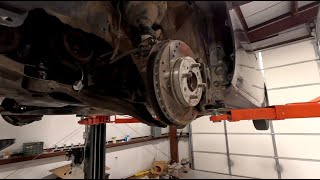
🎬 See this guide on diagnosing clunking noises over bumps.Estimated Replacement Costs
| Part/Service | Estimated Cost |
|---|---|
| New Aftermarket Control Arm (Part Only) | $51.66 - $343.35 |
| New OEM Honda Control Arm (Part Only) | $250 - $280 per side |
| Shop Labor & Alignment | $250 - $500+ |
| Total Professional Replacement (Aftermarket Parts) | $544 - $827+ (for a pair) |
Frequently Asked Questions (FAQ)

Do I need an alignment after replacing control arms?
Yes, absolutely. Replacing the control arms directly affects your car's suspension geometry. A four-wheel alignment is required to ensure proper handling, prevent premature tire wear, and make sure the vehicle drives straight.
Can I just replace the bushings instead of the whole arm?
While it is possible to just replace the bushings, it is often not practical for a DIY mechanic. It requires a hydraulic press or special tools to remove the old bushings and install the new ones without damaging the arm. Given the labor involved, buying a complete control arm assembly is usually easier and more cost-effective.
Should I replace the ball joints at the same time?
Yes. The good news is that most aftermarket control arms come with a new ball joint already installed. If you were to reuse the old arm, you would need to press out the old ball joint and press in a new one, which adds complexity to the job. Replacing the whole assembly handles this for you.
Is this a difficult DIY job?
For an experienced DIY mechanic, it is manageable. However, it can be challenging. Bolts can be seized with rust, and separating the ball joint from the steering knuckle often requires a special tool (ball joint separator) or a large hammer. You will also need a good set of metric sockets, wrenches, a breaker bar, and a torque wrench.
🎬 Watch: Follow this step-by-step control arm replacement walkthrough.Helpful Videos
Technical Specifications
OEM Part Numbers: 51360-S5A-A10 51350-S5A-A10 51360-S5A-A20 51350-S5A-A20 51360-S5T-A01 51350-S5T-A01
The 2002-2006 Honda Civic uses a MacPherson strut front suspension with a single lower control arm and a front sway bar. The lower control arm attaches to the subframe at two points with rubber bushings and to the steering knuckle with a ball joint. Torque specs for the main bolts are critical and the final tightening should be done with the suspension loaded to ride height.
We Have This Part in Stock

The information in this article is provided for general reference and educational purposes only. Vehicle specifications, procedures, and part compatibility can vary by production date, trim level, and region. Always consult your vehicle's factory service manual and verify part numbers before purchasing or performing repairs. Safety-critical components such as airbags, seat belts, and braking systems should be installed by a qualified professional.
- Honda Civic: