

A Guide to Replacing Disc Brake Pads on Your 2002-2006 Honda CR-V
Stop the noise and improve your braking performance by choosing the right brake pads for your CR-V.
- A common issue is sticking caliper slide pins, especially on the rear brakes, which causes rapid and uneven pad wear. Always clean and lubricate them.
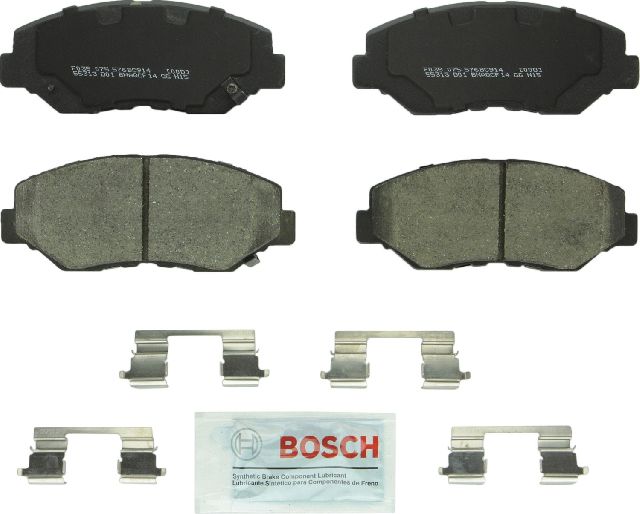
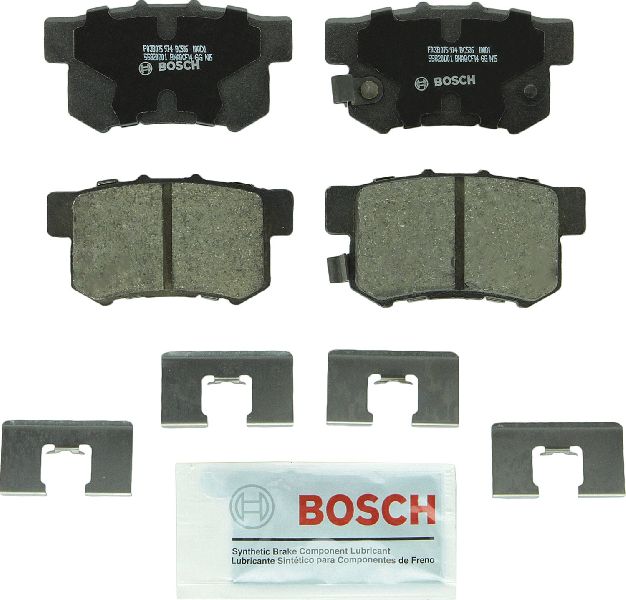
- For most owners, high-quality ceramic pads from brands like Akebono or Bosch provide the best balance of quiet performance and low dust.
- Replacing rotors at the same time as pads is highly recommended to avoid noise and vibration issues.
- You will need a special caliper wind-back tool to retract the rear brake pistons; a C-clamp is not sufficient.
Is It Time for New Brake Pads?

Your CR-V will give you clear signs when the brake pads are getting low. Ignoring these can lead to more expensive repairs down the road. Pay attention to these common symptoms.
Known Issues for the 2002-2006 Honda CR-V

This generation of CR-V has a few known quirks with its brake system. Being aware of them can save you time and money.
- Sticking Caliper Pins: The rear brake calipers, and sometimes the front, have slide pins that can rust and seize. This prevents the caliper from moving freely, causing brake pads to wear out very quickly and unevenly. During any brake job on this vehicle, it is critical to clean and re-lubricate these pins with high-temperature brake grease. 🎬 Watch: How to properly clean and grease your caliper pins.
- Premature Rear Brake Wear: Some owners report that the rear brake pads wear out faster than the front pads, which is unusual. This is often linked to the sticking caliper slide pins mentioned above.
- Brake Pulsation: A pulsing or vibrating feeling in the brake pedal when stopping is common and usually points to warped brake rotors. This happens when the rotors overheat. It's often best to replace the rotors along with the pads if you feel this symptom.
Recalls and Service Bulletins
While there are no direct recalls for the brake pads or calipers on the 2002-2006 CR-V, several Technical Service Bulletins (TSBs) exist for brake-related noises. TSB #04006 addresses a grinding noise from the rear brakes, and TSB #03033 is for a clicking noise from the front calipers. There was a major recall for the driver's side power window switch, which could create a fire risk.
Choosing the Right Aftermarket Brake Pads

Original Honda (OEM) pads are a safe bet, but many aftermarket brands offer equal or better performance, often for less money. For a daily-driven CR-V, a quality ceramic pad is usually the best choice, offering quiet operation and low brake dust.
Brand Tiers for Your CR-V
- OEM-Equivalent / Premium Daily Driver: Brands like Akebono and Bosch are highly recommended. Akebono is a known OEM supplier for Honda, so their ProACT pads are a top choice for factory-like (or better) performance, quietness, and low dust. Bosch QuietCast pads are another excellent premium ceramic option.
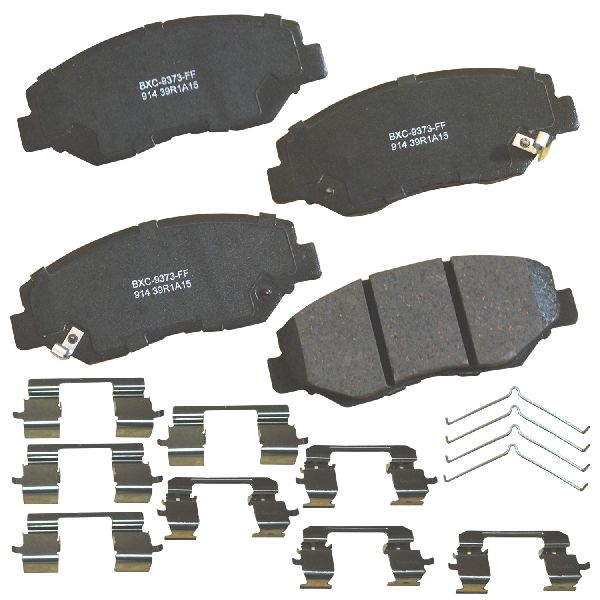
- Quality Daily Driver: Brands such as Raybestos, Centric, and Wagner offer a great balance of quality and value. The Raybestos EHT series, a hybrid ceramic/semi-metallic pad, is praised for its strong braking performance.
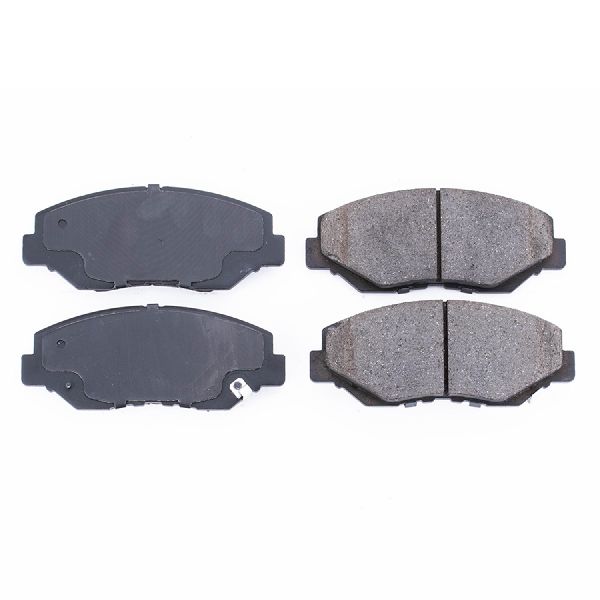
- Performance Upgrade: If you tow or simply want more stopping power, consider brands like Hawk, EBC, or a PowerStop kit. These pads provide higher friction but may produce more dust and noise than standard ceramic pads.
Pro Tip: Always Replace Hardware
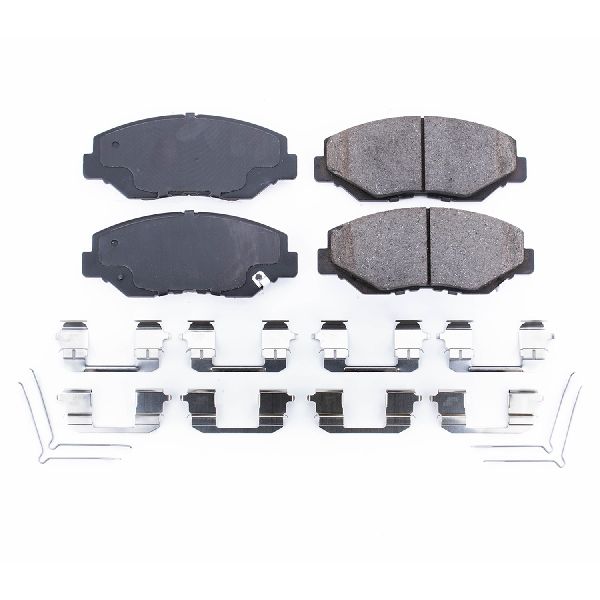
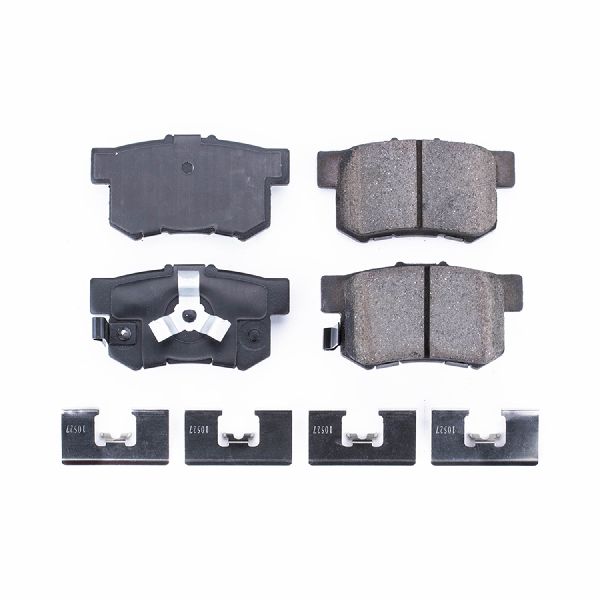
Most quality brake pad sets come with new hardware, including metal clips and anti-rattle springs. Always use the new hardware. Old, rusty clips can cause pads to bind or make noise. Also, perform a "bed-in" procedure after installation by doing several moderate stops from about 40 mph to properly mate the new pads to the rotors.
🎬 See this guide on how to bed-in your new brakes.Brake Pad Replacement Cost for 2002-2006 Honda CR-V

The cost can vary based on the brand of parts you choose and whether you do the work yourself or hire a professional mechanic.
| Part/Service | Estimated Cost |
|---|---|
| Aftermarket Disc Brake Pad Set (Front or Rear) | $26 - $120 |
| Performance Aftermarket Pad Set (Front or Rear) | $120 - $226 |
| Shop Labor (Pads Only, One Axle) | $125 - $250 |
| Shop Labor (Pads & Rotors, One Axle) | $200 - $400 |
Frequently Asked Questions (FAQ)
Do I need to replace my rotors with my pads?
It is highly recommended. If your rotors are below the minimum thickness, have a deep groove, or are warped (causing a pulsation), they must be replaced. Installing new pads on old, worn rotors can reduce braking performance and cause noise.
What's the difference between ceramic and semi-metallic pads?
Ceramic pads are quiet, produce very little dust, and are gentle on rotors, making them ideal for daily driving. Semi-metallic pads contain metal fibers that help dissipate heat and provide stronger braking, but they are often noisier, dustier, and wear rotors faster.
Why are my new brakes making noise?
A little noise during the first few dozen miles is normal as the pads bed-in. However, persistent squealing or grinding can mean a few things: the hardware wasn't replaced or lubricated correctly, the caliper slide pins are sticking, or the pads and rotors are not compatible. Applying a small amount of anti-squeal paste to the back of the pads can also help.
Do I need a special tool for the rear brakes?
Yes. The rear caliper piston on the 2002-2006 CR-V must be turned clockwise while being pushed in to retract. A simple C-clamp will not work. You will need a brake caliper wind-back tool, which can be rented from most auto parts stores or purchased in a kit.
🎬 Watch: Step-by-step walkthrough for replacing your rear brake pads.Helpful Videos
Technical Specifications
OEM Part Numbers: 45022-S9A-A01 45022-SCA-E01 43022-S9A-A01 43022-SP0-E01
The 2002-2006 Honda CR-V uses single-piston sliding calipers on both the front and rear axles. The rear calipers require a tool that simultaneously pushes and turns the piston for retraction.
We Have This Part in Stock

The information in this article is provided for general reference and educational purposes only. Vehicle specifications, procedures, and part compatibility can vary by production date, trim level, and region. Always consult your vehicle's factory service manual and verify part numbers before purchasing or performing repairs. Safety-critical components such as airbags, seat belts, and braking systems should be installed by a qualified professional.
- Honda CR-V:
- 🎬 Helpful Videos
- 🛍️ Shop This Part
- Is It Time for New Brake Pads?
- Known Issues for the 2002-2006 Honda CR-V
- Recalls and Service Bulletins
- Choosing the Right Aftermarket Brake Pads
- Brand Tiers for Your CR-V
- Pro Tip: Always Replace Hardware
- Brake Pad Replacement Cost for 2002-2006 Honda CR-V
- Frequently Asked Questions (FAQ)
- 🎟️ Get 5% Off