

Mitsubishi Lancer Disc Brake Rotor Replacement Guide (2002-2007)
Stop the squeal and vibration by choosing the right new brake rotors for your Lancer.
- You MUST order rotors for your specific Lancer trim (Base, Ralliart, or Evo) as they are not interchangeable.
- For most owners, a quality blank rotor from a brand like Centric or Raybestos is the best choice for reliability and value.
- Always replace your brake pads when you replace your rotors.
- Common problems like vibration are often caused by warped rotors, a frequent issue on these cars.
Signs of a Bad Brake Rotor
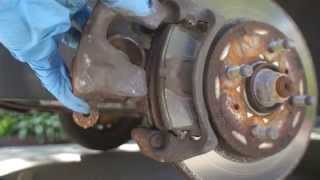
Your Lancer's brake rotors won't last forever. Heat and constant friction wear them down. When they start to fail, you'll notice some clear warning signs. Ignoring them is a safety risk. Common symptoms include a pulsating brake pedal or steering wheel shake when braking, which often points to warped rotors. You might also hear grinding or scraping noises, which could mean the rotors are severely worn or the pads are gone. Visually, you may see deep grooves, scoring, or a pronounced "lip" on the outer edge of the rotor.
CRITICAL: Know Your Lancer Trim Level
The single biggest mistake when ordering brake rotors for a 2002-2007 Lancer is getting the wrong part for your trim. The brakes are completely different across the model line:
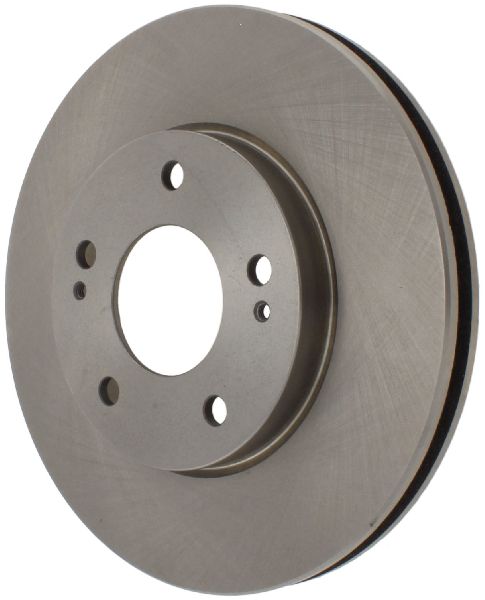
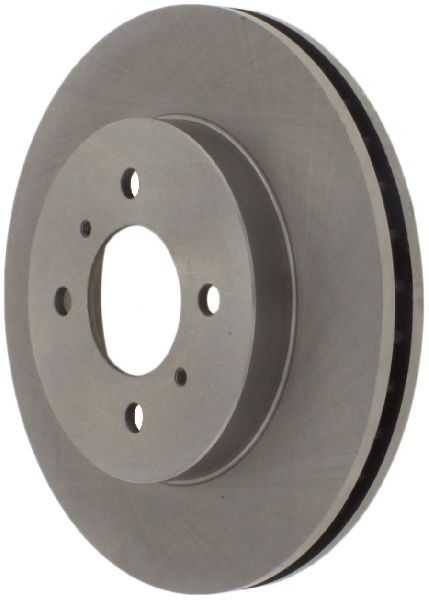
- Base Lancer (ES, LS, OZ Rally): These models use a smaller rotor with a 4-lug wheel pattern. 🎬 Watch this step-by-step rotor and pad replacement for Lancer ES models.
- Ralliart: This model has larger, upgraded brakes compared to the base Lancer.
- Lancer Evolution (Evo): The Evo has a high-performance Brembo brake system with very large rotors and a 5-lug wheel pattern.
Evo or Ralliart rotors will NOT fit a base model Lancer without a very expensive and complex conversion of the entire hub and brake system. Always confirm your specific trim level before ordering.
Choosing the Right Aftermarket Rotors
Aftermarket rotors for your Lancer can be as good as or even better than the original parts, often at a lower price. They generally fall into three categories based on quality and intended use.
Tier 1: Daily Driver / OEM Equivalent
These are your reliable, standard replacement rotors. They are perfect for everyday commuting and are designed to meet or exceed original factory specifications. They are almost always smooth-faced (not drilled or slotted) and many feature a protective coating to prevent rust on the hub and vanes.
- Brands: Centric, Raybestos, Bendix, Bosch, Pronto, Dynamic Friction.
- Best For: The vast majority of Lancer owners who just need to replace worn-out parts for safe, quiet, everyday driving.
- Quality: Excellent. Brands like Centric are frequently recommended in owner forums 🎬 See a complete brake job walkthrough on a Lancer OZ Rally. as a top-quality OEM replacement.
Tier 2: Spirited Street Performance
If you enjoy more spirited driving or want a slight performance upgrade, this tier is for you. These rotors, often paired with upgraded brake pads, can offer better initial bite and heat dissipation. They might be slotted or come as part of a complete kit.
- Brands: Powerstop, StopTech, Hawk, EBC Brakes.
- Best For: Lancer owners who have lightly modified their car or simply want better braking performance on the street without the harshness or cost of a full race setup.
- Quality: Good to great. StopTech and EBC are highly regarded for performance street applications. Powerstop offers popular all-in-one kits that provide good value, though some users report noise or warping issues.
Tier 3: Performance / Track Focused
These are high-end rotors designed for aggressive street driving, autocross, or track days. They often feature advanced metallurgy, sophisticated slot patterns, or two-piece construction to save weight and manage extreme heat.
- Brands: Brembo, EBC Brakes (performance lines), StopTech (performance lines), DBA.
- Best For: Lancer Evolution owners or base Lancer owners who have heavily modified their vehicle for performance driving.
- Quality: Professional grade. Brembo is the OEM supplier for the Lancer Evolution, and brands like DBA are well-respected in the racing community.
A Note on Drilled & Slotted Rotors
Many owners are tempted by the look of drilled and slotted rotors. While slots can help vent gas and water for better pad performance, cheap drilled rotors are known to be weak and can develop cracks under stress. For most applications, a quality smooth (blank) or slotted rotor is a safer and more durable choice than a low-cost drilled rotor.
Estimated Costs for Brake Rotor Replacement
| Part/Service | Estimated Cost |
|---|---|
| New Aftermarket Rotors (Pair, Front) | $80 - $470 |
| New OEM Rotors (Pair, Front) | $150 - $500+ |
| Shop Labor (Front Axle) | $150 - $250 |
| Total (Aftermarket Parts + Labor) | $230 - $720 |
Cost estimates are for the front axle and can vary by location, vehicle trim, and part brand.
Frequently Asked Questions
Should I replace my brake pads at the same time as my rotors?
Yes, absolutely. It is considered best practice to always install new brake pads with new rotors. Old pads have worn into the surface of the old rotors and will not make proper contact with the new, perfectly flat rotor surface. This can cause noise, poor performance, and damage the new rotors. Most mechanics will insist on it.
Can I install Lancer Evolution (Evo) rotors on my Lancer ES?
No. The Lancer Evolution uses a completely different braking system, hub, and wheel bolt pattern (5-lug vs. 4-lug on the base model). The rotors are not interchangeable. You must buy rotors that are specifically listed for your vehicle's trim level (e.g., ES, OZ Rally, Ralliart).
Are drilled or slotted rotors better?
For a daily driven Lancer, high-quality blank (smooth) rotors are more than sufficient and often the most reliable choice. Slotted rotors can offer a slight benefit in wet weather and with pad outgassing during very hard braking. Cheap, poorly made drilled rotors should be avoided as they are prone to cracking around the holes.
Do I need to bed-in my new brakes?
Yes. Bedding-in is the process of transferring a thin, even layer of friction material from the new pads onto the new rotors. This is crucial for smooth, quiet, and powerful braking. Follow the manufacturer's specific break-in procedure, which usually involves a series of controlled stops from different speeds.
🎬 Watch this guide to learn how and why to bed-in brakes.Are there any recalls for the 2002-2007 Lancer brake rotors?
There are no official NHTSA recalls for the factory-installed brake rotors on this Lancer. However, a recall was issued for a specific Duralast-branded aftermarket rotor (part number 5399) sold by AutoZone that fit the 2004-2006 Lancer Ralliart, due to a risk of fracturing.
Helpful Videos

Technical Specifications
OEM Part Numbers: MZ690563
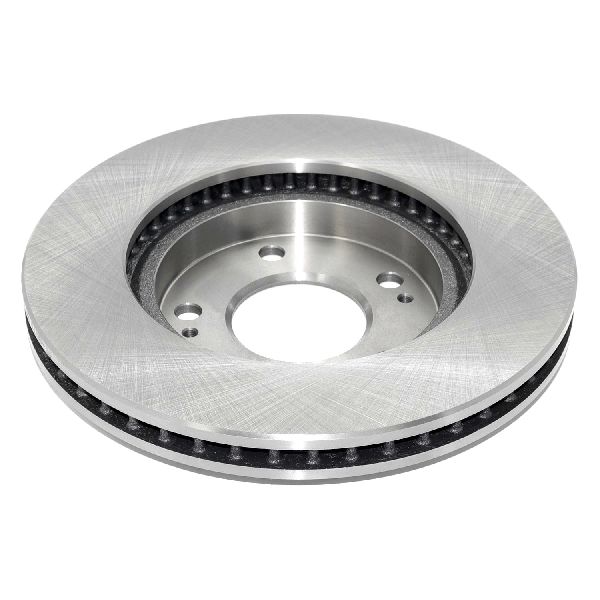
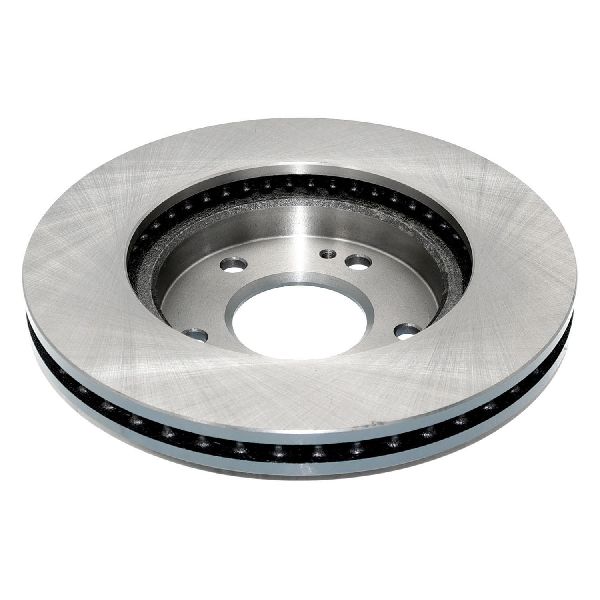
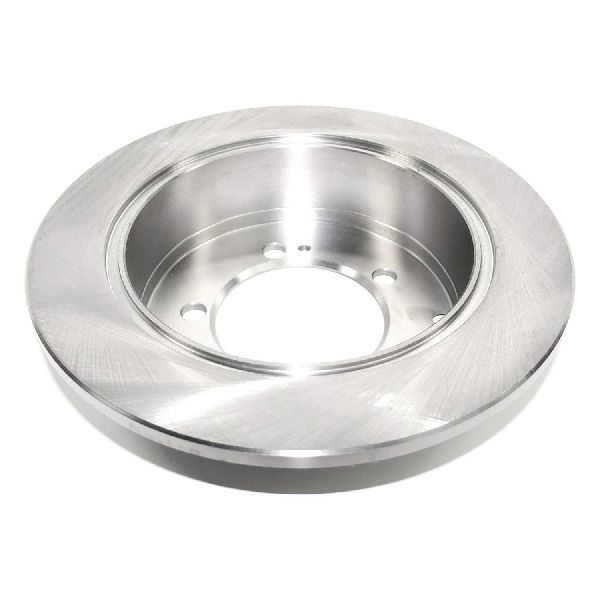
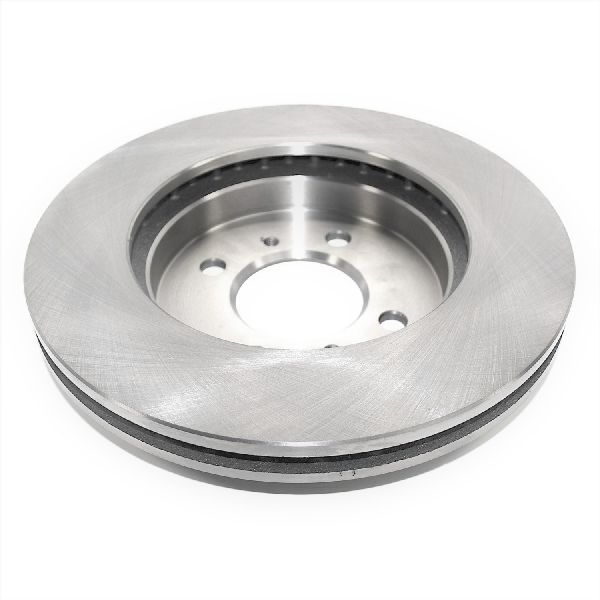
Key specifications like rotor diameter, thickness, and lug pattern vary significantly between Lancer ES/LS/OZ Rally, Ralliart, and Evolution models. Base models use a 4-lug pattern, while the Evolution uses a 5-lug pattern. Always verify fitment using your vehicle's VIN or specific trim level.
We Have This Part in Stock

The information in this article is provided for general reference and educational purposes only. Vehicle specifications, procedures, and part compatibility can vary by production date, trim level, and region. Always consult your vehicle's factory service manual and verify part numbers before purchasing or performing repairs. Safety-critical components such as airbags, seat belts, and braking systems should be installed by a qualified professional.
- Mitsubishi Lancer:
- 🎬 Helpful Videos
- 🛍️ Shop This Part
- Signs of a Bad Brake Rotor
- CRITICAL: Know Your Lancer Trim Level
- Choosing the Right Aftermarket Rotors
- Tier 1: Daily Driver / OEM Equivalent
- Tier 2: Spirited Street Performance
- Tier 3: Performance / Track Focused
- A Note on Drilled & Slotted Rotors
- Estimated Costs for Brake Rotor Replacement
- Frequently Asked Questions
- 🎟️ Get 5% Off