

Accessory Drive Belt Guide for the 2002-2008 Mitsubishi Lancer
Keep your Lancer's accessories running smoothly by choosing the right replacement drive belt.
- A squealing noise is the most common symptom of a failing belt and should be inspected immediately.
- Bando and Mitsuboshi are often OEM suppliers for Mitsubishi, making them excellent, high-quality aftermarket choices.
- Always inspect the belt tensioner and idler pulleys when replacing the belt; they are common failure points.
- Verify the correct part number for your Lancer's specific year and engine, as belts can differ between models and production years.
Is Your Lancer's Accessory Belt Failing?
An accessory drive belt is a wear item, meaning it will eventually need replacement from normal use. The rubber can crack, stretch, and harden over time due to engine heat and constant friction. Ignoring the warning signs can lead to the belt snapping, which will cause an immediate loss of power steering, stop the battery from charging, and can lead to rapid engine overheating if it drives the water pump.
Common symptoms of a worn-out belt include:
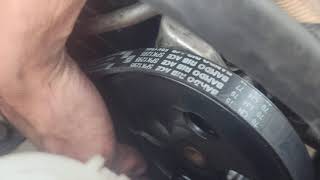
- Squealing Noises: A high-pitched squeal, especially when starting the engine or turning on the A/C, is a classic sign of a slipping or worn belt. 🎬 Watch a demonstration of belt squeak and how to remove it.
- Visible Wear: Look for cracks, fraying, missing chunks, or a shiny, glazed surface on the belt.
- Accessory Problems: The battery light may come on, steering can become difficult, or the A/C might blow warm air.
A Noisy Belt Can Signal Other Problems
Often, a squealing or shredding belt isn't the root cause of the problem. A failing belt tensioner or a bad bearing in an idler pulley, alternator, or power steering pump can damage a brand new belt. It's critical to inspect these related parts during replacement.
🎬 See how to replace both the idler pulley and the belt.Choosing the Right Aftermarket Drive Belt
For a Japanese vehicle like your Mitsubishi Lancer, several aftermarket brands offer excellent quality, with some being the original equipment (OEM) manufacturer.
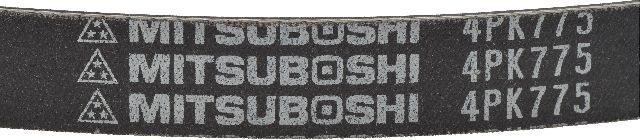
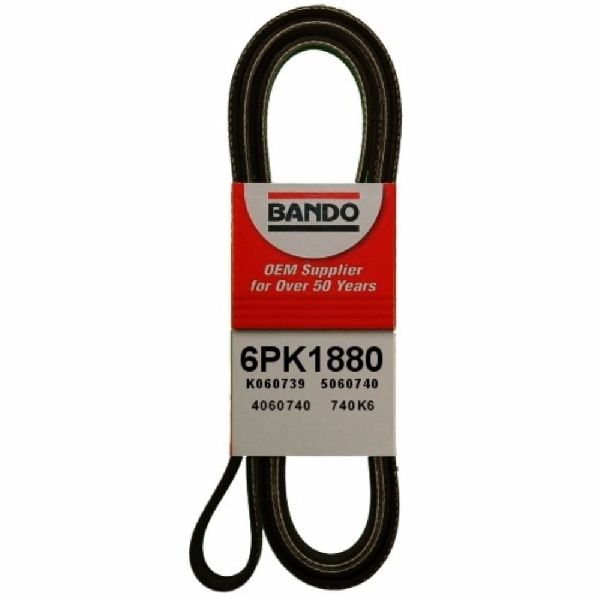
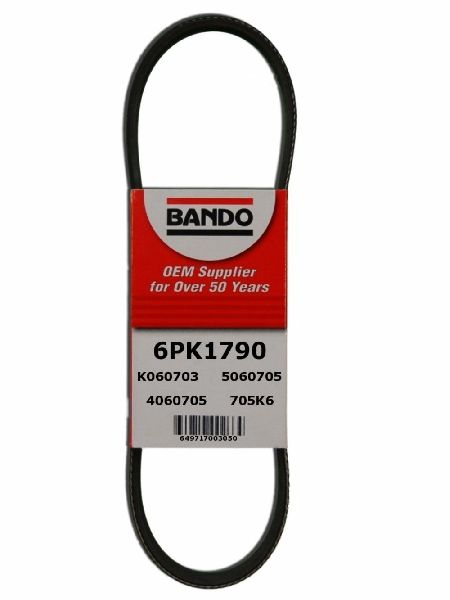
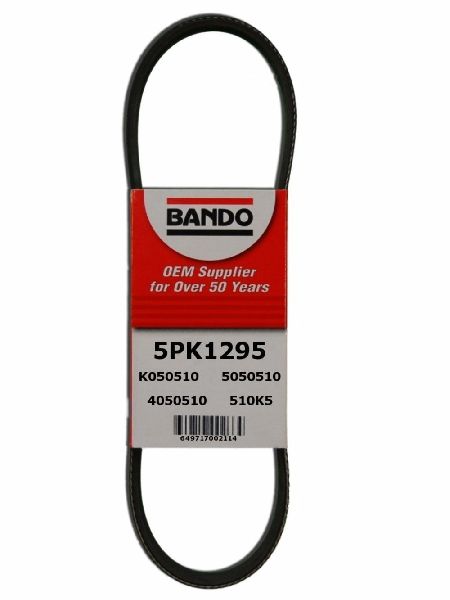
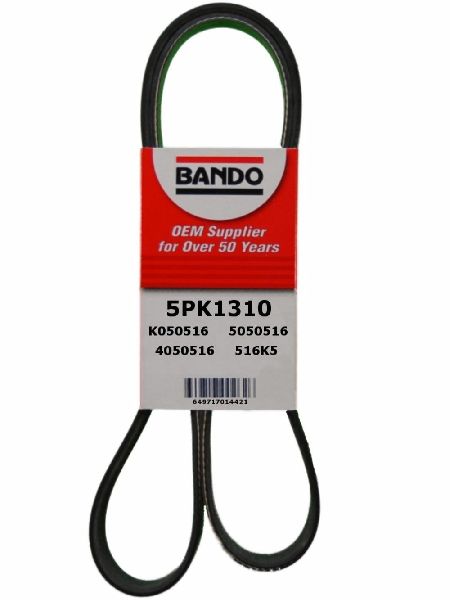
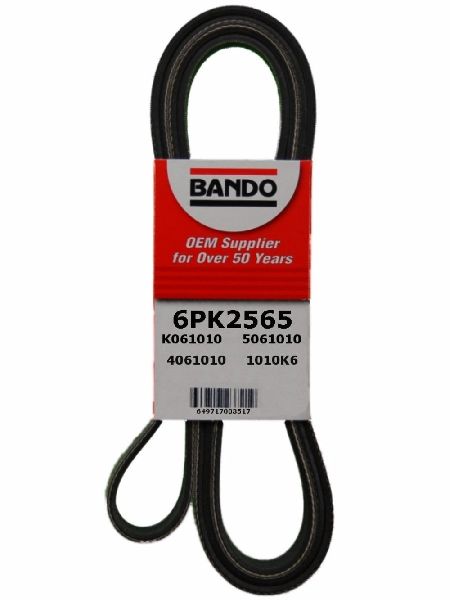
- OEM Supplier Brands (Bando, Mitsuboshi): Bando and Mitsuboshi are Japanese brands well-known for being the original suppliers for many Japanese automakers like Mitsubishi and Honda. Choosing a belt from one of these brands is as close to getting a genuine dealer part as possible, often at a better price. They are trusted for their fit, durability, and quiet operation.
- Premium Aftermarket (ACDelco): ACDelco is a highly reputable aftermarket brand that produces reliable parts for a wide range of vehicles. While not an OEM supplier for Mitsubishi, their belts are a solid, dependable choice for a replacement.
Pro Tip: Because the 2002-2008 Lancer generation includes different models like the base Lancer, Ralliart, and Evolution, engine configurations and belt sizes can vary. Always verify the correct part number for your specific year and model before ordering. Some models from 2002-2003 use a different belt than 2004-2007 models.
Cost of Replacing the Accessory Drive Belt
The cost to replace the accessory drive belt on a 2002-2008 Lancer is reasonable. The parts are affordable, and labor is straightforward for a mechanic.
| Item | Estimated Cost |
|---|---|
| New Aftermarket Belt | $13.29 - $57.88 |
| Shop Labor | $74 - $109 |
| Total Estimated Cost | $87 - $167 |
Note: Costs are estimates and can vary by location and the specific condition of your vehicle. This does not include the cost of replacing the tensioner or pulleys.
Frequently Asked Questions
How often should I replace the accessory belt?
Most modern belts are designed to last between 60,000 and 100,000 miles. However, it's best to inspect the belt during every oil change after 40,000 miles and replace it at the first sign of cracking, fraying, or other visible wear.
Should I replace the tensioner and pulleys with the belt?
It is highly recommended. The tensioner and idler pulleys have a similar lifespan to the belt. A weak or seized tensioner is a common failure point and can quickly destroy a new belt. Replacing these components at the same time saves on labor costs down the road and ensures the entire system is reliable.
Can I replace the Lancer's accessory belt myself? 🎬 Watch this step-by-step guide for replacing the belt on a 2004 Lancer.
Yes, for many DIYers, this is a manageable job. The process typically involves releasing the tension on the belt tensioner to slip the old belt off and route the new one. However, access can be tight, and you'll need the correct tools, like a breaker bar or long wrench, to move the tensioner.
Were there any recalls for the 2002-2008 Lancer drive belt?
No specific recalls were found for the accessory drive belt itself on 2002-2007 models. However, a significant recall (NHTSA #18V069) was issued for the drive belt tensioner on some 2008-2012 Lancers, which can cause the belt to detach. While your 2008 model might be affected, earlier years are not part of this specific recall.
Helpful Videos
Technical Specifications
OEM Part Numbers: MD373620 1340A123 4451A115
The 2002-2008 Mitsubishi Lancer uses a multi-ribbed (serpentine) belt. There are at least two different belt systems depending on the model year. Early models (2002-2003) may use a 4-rib belt (4PK775), while later models use different lengths and rib counts. It is critical to confirm the correct belt for your specific vehicle's engine and accessories (with or without A/C, etc.).
We Have This Part in Stock

The information in this article is provided for general reference and educational purposes only. Vehicle specifications, procedures, and part compatibility can vary by production date, trim level, and region. Always consult your vehicle's factory service manual and verify part numbers before purchasing or performing repairs. Safety-critical components such as airbags, seat belts, and braking systems should be installed by a qualified professional.
- Mitsubishi Lancer: