

Choosing the Right Disc Brake Pads for Your 2002-2009 Suzuki XL-7
This guide covers the essential information you need to select the correct new aftermarket brake pads for your specific XL-7.
- First, confirm your XL-7's year: 2002-2006 (Gen 1) and 2007-2009 (Gen 2) use different brake pads.
- For most drivers, a quality ceramic aftermarket pad set from a brand like Bosch, Raybestos, or Wagner is an excellent choice.
- To prevent noise, ensure the caliper brackets are cleaned of all rust and lubricated during installation.
- If you hear a grinding noise, stop driving the vehicle. The brakes are in an unsafe condition.
A Critical Note: Two Generations of XL-7
Before buying brake pads for your Suzuki XL-7, you must know which generation you have. The parts are not interchangeable.
- First Generation (2002-2006): These models are based on a Suzuki Grand Vitara platform.
- Second Generation (2007-2009): These models are based on a General Motors (GM) platform and share parts with the Chevrolet Equinox and Pontiac Torrent of the same era.
Always confirm your vehicle's year to ensure you purchase the correct parts. Ordering pads for a 2006 will not work on a 2007 model, and vice-versa.
Symptoms of Worn Brake Pads
Your XL-7 will give you clear signs when the brake pads are nearing the end of their life. Ignoring them can lead to more expensive repairs.
- Squealing or Screeching: Most brake pads have a small metal tab called a wear indicator. When the pad material wears down, this tab contacts the rotor and makes a high-pitched squeal as a warning.
- Grinding Noise: If you hear a deep, metallic grinding or growling, stop driving immediately. This means the pad material is completely gone, and the metal backing plate is grinding against the rotor, causing severe damage.
- Vehicle Pulling to One Side: If the brake pads wear unevenly or a caliper is sticking, your XL-7 might pull to the left or right when you brake.
- Vibration in Pedal or Steering Wheel: While often a sign of warped rotors, severe pad wear or uneven deposits on the rotor can also cause pulsation.
- Longer Stopping Distances: If you notice it takes longer to stop than it used to, your brake pads may be too worn to provide effective friction.
Brake Rotor Recall for 2002 Models
There was a safety recall (NHTSA Campaign ID: 05V452000) for some 2002 Suzuki XL-7 vehicles concerning the front brake rotors. The recall states that under severe and continuous braking on steep downhill roads, the front brake discs could break. While this recall is for the rotors and not the pads, it highlights a potential weakness in the braking system for that specific model year under extreme conditions.
Choosing the Right Aftermarket Brake Pads
Aftermarket brake pads offer a wider range of options and prices compared to dealership parts. For the XL-7, pads generally fall into three categories.
1. Economy Pads (Basic Replacement)
These are the most affordable options, designed to meet basic safety standards. Brands like Pronto or Total Stopping Solutions fit here. They are a functional choice for budget-conscious drivers but may not offer the same lifespan, low noise, or low dust levels as higher-tier pads.
2. Daily Driver / OEM-Quality Pads
This is the most popular category and the best choice for most XL-7 owners. These pads aim to meet or exceed the performance of the original factory pads. Ceramic formulas are common here, offering a great balance of stopping power, quiet operation, and low brake dust. Look for reputable brands like:
- Bosch (e.g., Bosch Blue)
- Raybestos
- Wagner Brakes
- Centric
- Akebono
- Bendix
3. Performance / Heavy-Duty Pads
If you tow with your XL-7 or live in a hilly area, an upgrade might be worthwhile. These pads are designed for better heat dissipation and fade resistance. Brands like Powerstop (Z-series kits), EBC Brakes, and Brembo offer performance-oriented pads that provide a stronger bite and more consistent stopping power under heavy use.
Pro Tip: Ensure a Quiet Brake Job
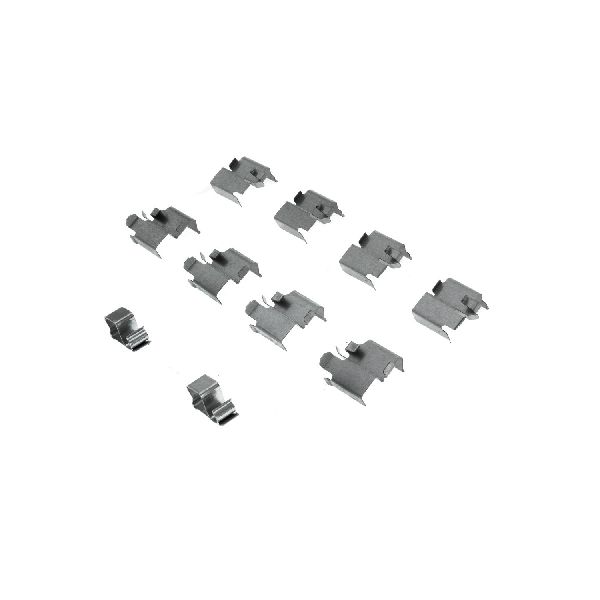
Some XL-7 owners have reported squealing or rubbing noises even with new aftermarket pads. A common cause is rust buildup on the caliper brackets where the pad hardware sits. During installation, it is critical to thoroughly clean these areas with a wire brush and apply a thin layer of high-temperature brake grease before installing the new hardware. This allows the pads to move freely and prevents noise.
Estimated Costs for a Disc Brake Pad Set Replacement
| Part Type | Estimated Cost (Parts Only) |
|---|---|
| New Aftermarket Brake Pad Set | $22 - $98 |
| Shop Labor | $151 - $221 |
| Total Estimated Cost (at a shop) | $173 - $319 |
Note: Costs are estimates and can vary based on your location, the specific brand chosen, and whether rotors also need replacement.
Frequently Asked Questions
Are front and rear brake pads the same?
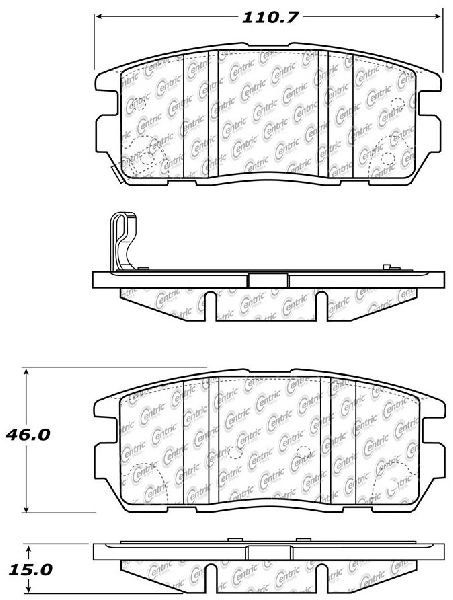
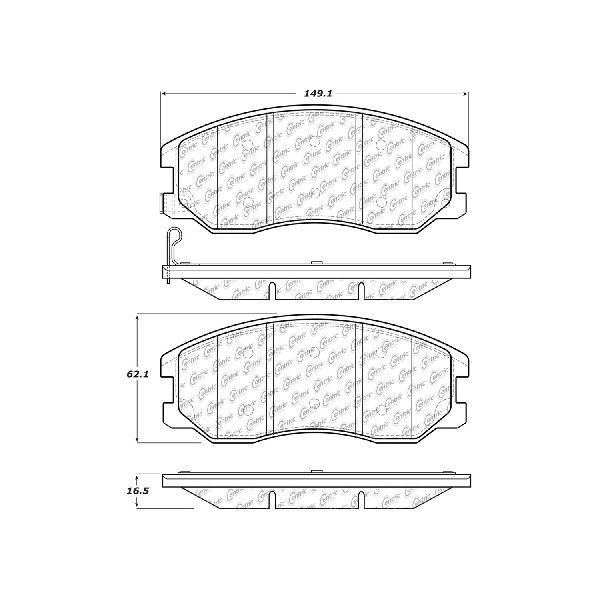
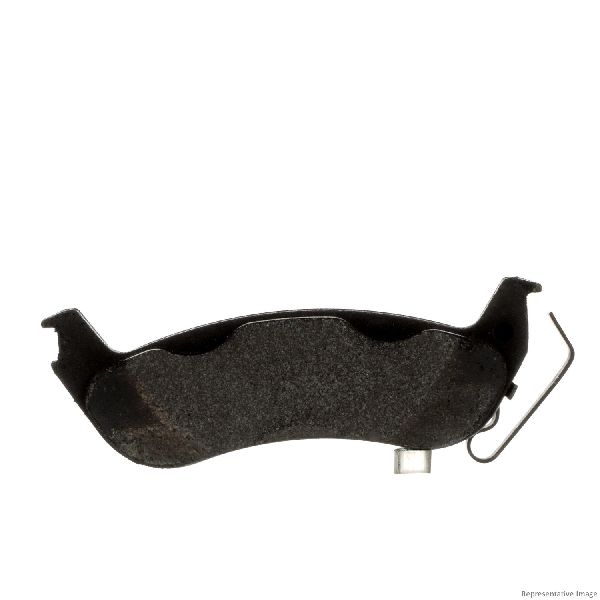
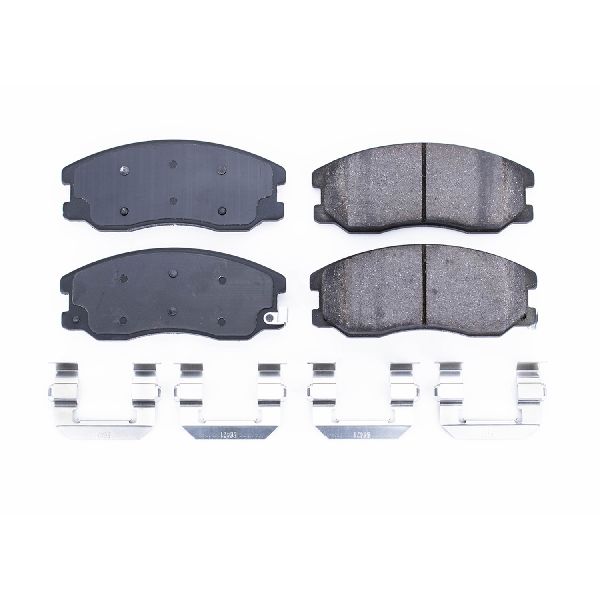
No. The front and rear brake pads on the Suzuki XL-7 are different sizes and shapes and are sold in separate sets. The front brakes do most of the stopping work and typically wear out faster than the rears.
What's the difference between ceramic and semi-metallic pads?
Ceramic pads are known for being quiet, producing less dust, and offering a smooth, consistent stop, making them ideal for daily driving. Semi-metallic pads can often handle higher temperatures and may offer a stronger initial "bite," but they tend to be noisier, produce more dust, and can be more abrasive to your brake rotors.
Should I replace my rotors at the same time as my pads?
It is highly recommended. Installing new pads on old, worn, or warped rotors can cause noise, vibration, and reduced performance. For a safe and effective brake job, replacing pads and rotors together is the best practice.
Why are my new brakes making noise?
New brake pads require a "bed-in" period to properly mate with the rotors. Some light noise can be normal for the first few dozen miles. However, persistent squealing or grinding can indicate improper installation, such as not cleaning the caliper brackets or not using the new hardware that comes with high-quality pad sets.
Technical Specifications
OEM Part Numbers: 5580078J00
Brake pad sets are specific to the vehicle's generation. First generation (2002-2006) pads are different from second generation (2007-2009) pads. Aftermarket part numbers for the 2007-2009 front pads include P-1264 and MGD1264CH. Always verify fitment using your vehicle's year before purchasing.
We Have This Part in Stock
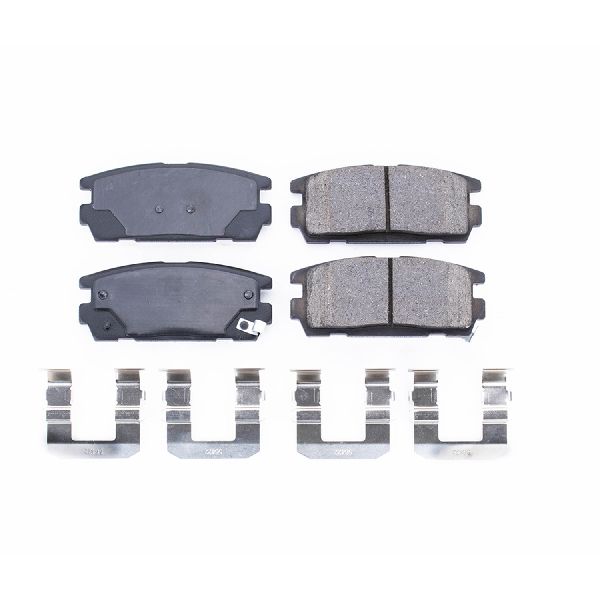

The information in this article is provided for general reference and educational purposes only. Vehicle specifications, procedures, and part compatibility can vary by production date, trim level, and region. Always consult your vehicle's factory service manual and verify part numbers before purchasing or performing repairs. Safety-critical components such as airbags, seat belts, and braking systems should be installed by a qualified professional.
- Suzuki XL-7:
- 🛍️ Shop This Part
- A Critical Note: Two Generations of XL-7
- Symptoms of Worn Brake Pads
- Brake Rotor Recall for 2002 Models
- Choosing the Right Aftermarket Brake Pads
- 1. Economy Pads (Basic Replacement)
- 2. Daily Driver / OEM-Quality Pads
- 3. Performance / Heavy-Duty Pads
- Pro Tip: Ensure a Quiet Brake Job
- Estimated Costs for a Disc Brake Pad Set Replacement
- Frequently Asked Questions
- 🎟️ Get 5% Off