

Engine Oil Pressure Switch Guide for the 2002-2009 Suzuki XL-7
Understanding the oil pressure light on your XL-7 and how to choose the right replacement switch.
- You must buy the correct switch for your year range: 2002-2006 (Suzuki engine) or 2007-2009 (GM engine). They are not interchangeable.
- Never ignore an oil pressure light. Always verify the engine oil level first before assuming the switch is bad.
- Driving with a potential low oil pressure condition can destroy your engine.
- Quality aftermarket brands like Standard Ignition, Hella, and Walker Products are reliable alternatives to the OEM part.
A Critical Part for Two Different Engines
When shopping for an engine oil pressure switch for a 2002-2009 Suzuki XL-7, the most important thing to know is that there are two completely different versions of this vehicle. The part is not interchangeable between them.
- 2002-2006 Suzuki XL-7: This first generation is a Suzuki-based design with a rear-wheel-drive platform and a Suzuki 2.7L V6 engine. 🎬 See how to replace the switch on Suzuki-based V6 models.
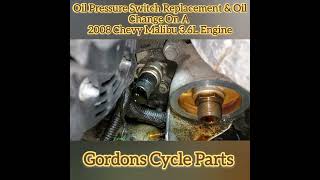
- 2007-2009 Suzuki XL-7: The second generation is a completely different vehicle, built on a General Motors (GM) platform with a front-wheel-drive layout and a GM-designed 3.6L V6 engine. 🎬 Watch this step-by-step sensor replacement on the 3.6L engine.
Because the engines are different, the oil pressure switches are also different. You must order the part that is specified for your exact model year.
Symptoms of a Failing Oil Pressure Switch
A bad oil pressure switch can create confusing symptoms. It can make you think you have a major engine problem when you don't, or worse, it can fail to warn you when you actually do. Here are the common signs:
- Flickering or Constant Oil Light: The most common symptom is the oil pressure warning light on your dashboard coming on, staying on, or flickering, especially at idle. This can happen even if the oil level is correct.
- Incorrect Gauge Readings: If your XL-7 has an oil pressure gauge, a faulty sensor can cause it to read zero, max out, or jump around erratically.
- Oil Leaks: The switch itself can fail, causing oil to leak from its body or the seal. You might see oil on the sensor or drips under the vehicle.
Don't Ignore the Oil Light
Never assume the oil light is just a bad sensor. Always check your oil level immediately. If the level is good but the light stays on, or if the engine is making ticking or knocking noises, stop driving and have the vehicle inspected. Driving with low oil pressure can cause catastrophic engine damage.
Choosing the Right Aftermarket Switch
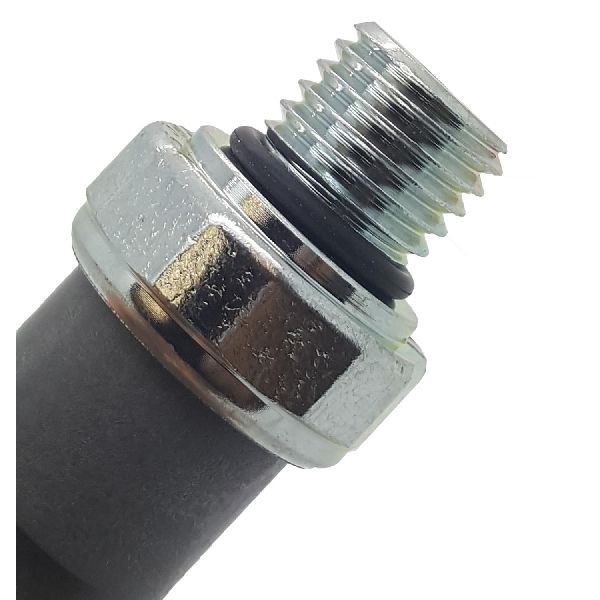
For a vehicle like the XL-7, quality aftermarket parts offer a reliable and cost-effective alternative to more expensive OEM parts. The brands available offer a range of quality and price points.
Tier 1: Established OE-Quality Brands
- Standard Ignition (SMP): A well-regarded brand known for producing high-quality sensors that meet or exceed OE specifications. They are a trusted choice for reliability.
- Hella: An OEM supplier for many manufacturers, Hella parts are known for their quality and durability.
- Walker Products: This brand focuses on engine management and emission control parts, engineering them to meet OE standards for fit and function.
Tier 2: Value-Oriented Brands
- URO Parts: Often provides parts for European cars but has expanded its offerings. While some of their electrical parts have had mixed reviews in the past, the company has reportedly made improvements in manufacturing since 2017. They can be a good budget option, especially for an older vehicle.
- Facet, Holstein, True Tech: These brands provide functional, value-priced alternatives that can be suitable for a budget-conscious repair.
Pro Tip: Check the Connector
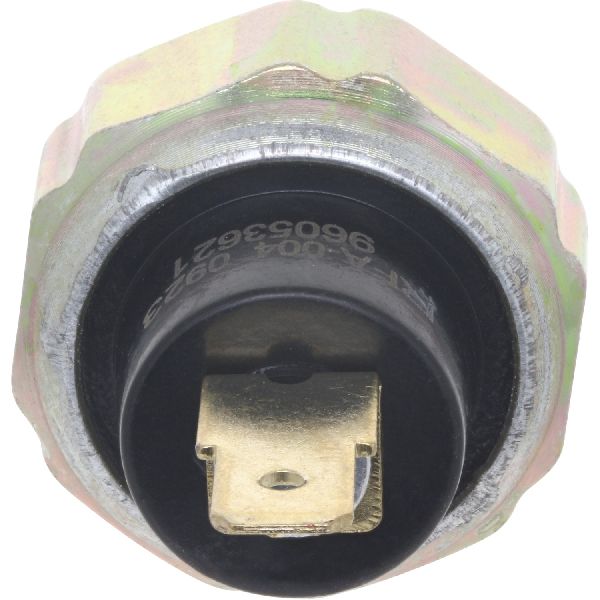
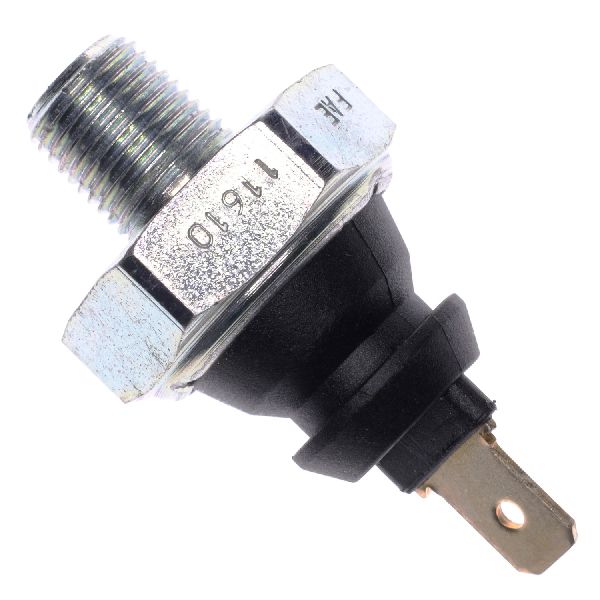
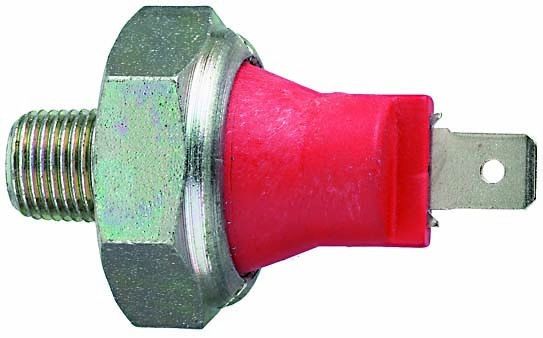
Before ordering, it's always a good idea to visually inspect the old sensor on your vehicle. Note the shape of the electrical connector and the number of pins. This helps ensure the new part is a perfect match, especially given the generational differences in the XL-7.
| Part Type | Price Range |
|---|---|
| New Aftermarket Engine Oil Pressure Switch | $7.46 - $72.82 |
Frequently Asked Questions
Where is the oil pressure switch located on the Suzuki XL-7?
The location varies by engine. On the 2002-2006 2.7L V6, it is typically found on the engine block, often near the oil filter. On the 2007-2009 3.6L V6, it is also on the engine block, but its exact position can be different. A repair manual for your specific year is the best source for an exact location diagram.
Can I replace the oil pressure switch myself?
Yes, this is a DIY-feasible job for many home mechanics. It usually involves unplugging the electrical connector, using a special deep socket (an oil pressure switch socket) to unscrew the old switch, and then installing the new one. Ensure the engine is cool and be prepared for a small amount of oil to drip out. The difficulty is generally low, but access can be tight depending on the engine.
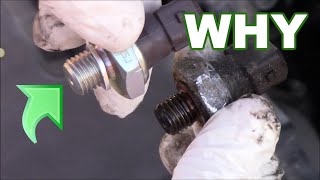
🎬 Watch a helpful walkthrough of the oil pressure sensor replacement.What happens if I ignore a bad oil pressure switch?
If the switch is faulty and not warning you of a real low-pressure problem, you could end up with severe engine damage. If the switch is faulty and is causing a false warning light, you lose the ability to be warned if a real problem develops. It's an inexpensive part that is critical for monitoring engine health, so it should be replaced promptly.
Are there any recalls for the XL-7 oil pressure switch?
No recalls were found specifically for the engine oil pressure switch on the 2002-2009 Suzuki XL-7 during a search of the National Highway Traffic Safety Administration (NHTSA) database.
Helpful Videos
Technical Specifications
OEM Part Numbers: 37820-78J01 37820-78J02 12635957 12579946
Varies by engine. The 2002-2006 2.7L V6 switch is typically a 1-terminal design. The 2007-2009 3.6L V6 switch is a 2-terminal design. Always verify against your vehicle's specific part.
We Have This Part in Stock


The information in this article is provided for general reference and educational purposes only. Vehicle specifications, procedures, and part compatibility can vary by production date, trim level, and region. Always consult your vehicle's factory service manual and verify part numbers before purchasing or performing repairs. Safety-critical components such as airbags, seat belts, and braking systems should be installed by a qualified professional.
- Suzuki XL-7: