

Chevrolet Trailblazer 2002-2010 Ignition Knock Sensor Guide
Solving engine knock and performance issues starts with the right sensor for your Trailblazer's specific engine.
- First, confirm if you have the 4.2L I6 or a V8 engine, as the sensor location and repair job are completely different.
- For V8 engines, you MUST replace the intake manifold gaskets and the knock sensor wiring harness along with the sensors.
- Always use a trusted brand like ACDelco or Delphi for sensors and always use a torque wrench for proper installation (15-18 ft-lbs).
- It is highly recommended to replace both knock sensors at the same time, as they have worn equally.
Is Your Trailblazer a 4.2L I6 or a V8? It Matters.

Before buying a new knock sensor for your 2002-2010 Trailblazer, you must know which engine you have. The replacement job is completely different for the standard 4.2L inline-6 (I6) engine versus the optional 5.3L or 6.0L V8 engines.
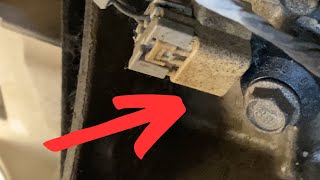
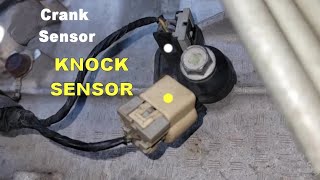
- 4.2L I6 Engine: Your Trailblazer has two knock sensors located on the driver's side of the engine block. One is near the front by the A/C compressor (Sensor 1) and the other is near the rear by the starter (Sensor 2). They can be accessed by jacking up the vehicle and going through the driver's side wheel well. 🎬 Watch this step-by-step 4.2L I6 knock sensor replacement guide. This job is manageable for a DIY mechanic with the right tools.
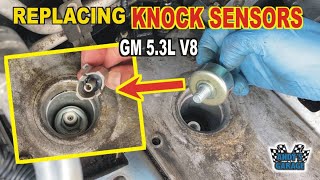
- 5.3L/6.0L V8 Engines: Your Trailblazer also has two knock sensors, but they are in a much more difficult location: under the intake manifold in the engine's valley. Replacing them requires removing the entire intake manifold, 🎬 See how to replace knock sensors on a 5.3L V8. making it a much more complex and time-consuming job.
Symptoms of a Failing Knock Sensor

A bad knock sensor will usually trigger the Check Engine Light. The computer then defaults to a 'safe' mode, which protects the engine but hurts performance and fuel economy. Common signs include:
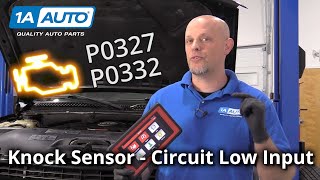
- Check Engine Light: This is the most common symptom, often with codes like P0325, P0327, or P0332. 🎬 Learn more about diagnosing low input sensor codes.
- Reduced Engine Power: The truck will feel sluggish and slow to accelerate.
- Poor Fuel Economy: The engine runs less efficiently, so you'll use more gas.
- Engine Pinging Noise: You might hear a metallic pinging or knocking sound, especially when accelerating. This is a sign the sensor has failed and is not protecting the engine.
Pro Tip for V8 Owners
If you are replacing the knock sensors on a 5.3L or 6.0L V8, it is critical to also replace the knock sensor wiring harness and the intake manifold gaskets. The original harness becomes brittle from heat and often breaks during the repair, and the intake gaskets are a single-use item. Also, clean any water or debris from the sensor holes before installing the new parts.
Choosing the Right Aftermarket Knock Sensor

For a critical sensor like this, quality matters. While budget parts are available, forum discussions and mechanic recommendations strongly lean towards using higher-quality brands to avoid premature failure and doing the job twice.
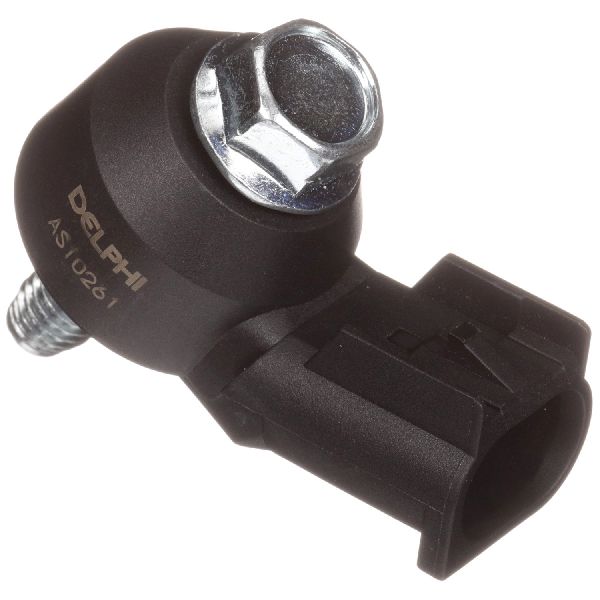
- Tier 1 (OEM/OE Supplier): ACDelco and Delphi are the top choices. ACDelco is the original GM parts brand, and Delphi was the original equipment manufacturer for many GM electronics. For reliability, these are the most recommended options.
- Tier 2 (Quality Aftermarket): Brands like NGK/NTK and Standard Ignition (SMP) have a solid reputation for producing reliable sensors that meet or exceed OE specifications. They are a good alternative if an OE part isn't available.
- Tier 3 (Budget): Brands like Holstein, Global Parts, and True Tech fall into the budget category. While they are the most affordable, their long-term reliability can be a gamble. They may be suitable for a temporary fix but are not generally recommended for a long-term repair, especially on V8 models where the labor is intensive.
| Item | Cost Range |
|---|---|
| New Aftermarket Knock Sensor (Each) | $14.75 - $78.87 |
| New OEM Knock Sensor (Each) | $25 - $65 |
| Shop Labor (4.2L I6, Both Sensors) | $150 - $300 |
| Shop Labor (5.3L/6.0L V8, Both Sensors) | $400 - $700+ (due to intake manifold removal) |
Frequently Asked Questions

Should I replace both knock sensors at the same time?
Yes. It is highly recommended to replace both sensors at once. They have experienced the same amount of wear and heat cycles. If one has failed, the other is likely not far behind. This is especially true for V8 models where the labor is the most expensive part of the job.
Is a torque wrench really necessary for this job?
Yes, absolutely. The biggest mistake when replacing these sensors is not using a torque wrench. They are sensitive piezoelectric devices that must be tightened to a specific specification (typically 15-18 ft-lbs) to work correctly. Over-tightening or under-tightening can cause false readings, leading to the same problems you were trying to fix.
Are there any recalls for the Trailblazer knock sensor?
No, there are no specific recalls or common Technical Service Bulletins (TSBs) from GM for knock sensor failure on the 2002-2010 Chevrolet Trailblazer. There were recalls for this vehicle range, but they related to issues like door module fires and were not related to the knock sensors.
What are the common diagnostic codes for a bad knock sensor?
The most common codes are P0325 (Knock Sensor 1 Circuit Malfunction), P0327 (Knock Sensor 1 Circuit Low Input), and P0332 (Knock Sensor 2 Circuit Low Input). These codes point to an issue with the sensor itself or its wiring circuit.
Helpful Videos
Technical Specifications
OEM Part Numbers: 12589867 12623730 12570125 213-3521
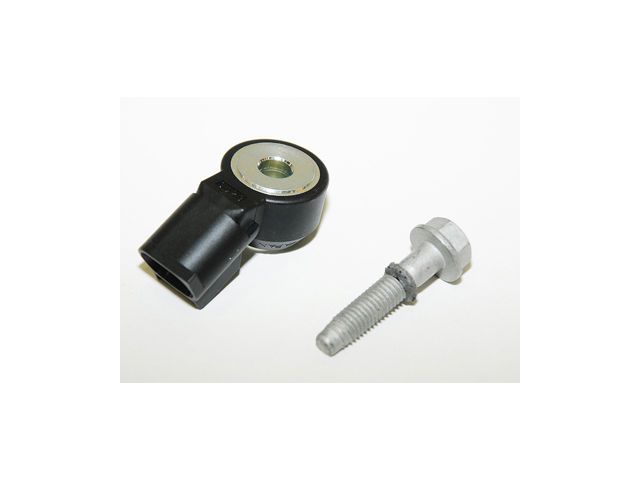
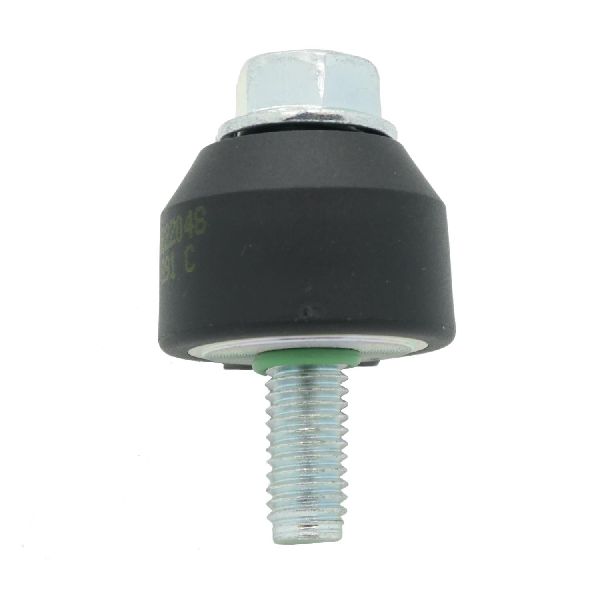
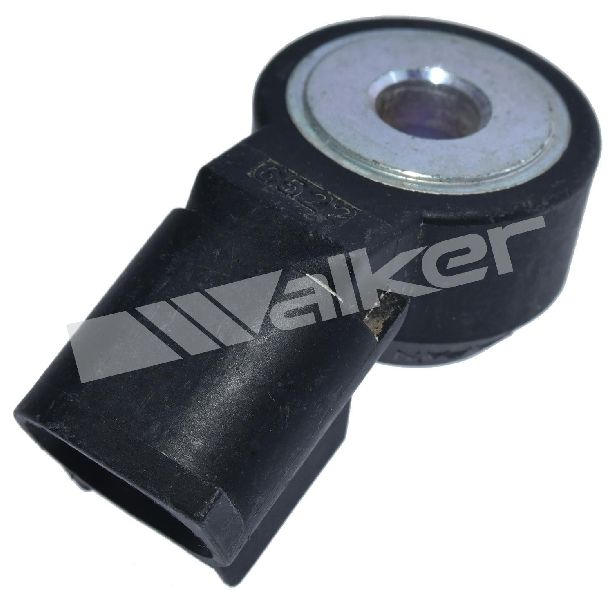
The 2002-2010 Trailblazer uses two individual knock sensors. On the 4.2L I6, they are located on the driver's side of the engine block. On the 5.3L/6.0L V8s, they are located under the intake manifold. Proper torque specification during installation (typically 15-18 ft-lbs) is critical for correct function.
We Have This Part in Stock


The information in this article is provided for general reference and educational purposes only. Vehicle specifications, procedures, and part compatibility can vary by production date, trim level, and region. Always consult your vehicle's factory service manual and verify part numbers before purchasing or performing repairs. Safety-critical components such as airbags, seat belts, and braking systems should be installed by a qualified professional.
- Chevrolet Trailblazer: