

Honda CR-V Engine Oil Pressure Switch Guide (2002-2024)
Understanding the common causes of oil leaks and warning lights from a faulty oil pressure switch in your CR-V.
- An oil leak from the back of the engine is a very common sign of a failed oil pressure switch on a CR-V.
- Never ignore the red oil pressure light; stop the engine immediately and check the oil level.
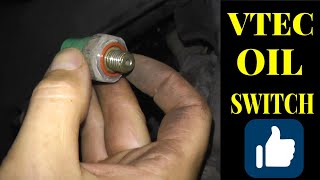
- For 2002-2009 models, a faulty VTEC oil pressure switch is a known issue addressed by a Honda TSB.
- When replacing, do not over-tighten the new switch. Use a torque wrench to prevent cracking the engine block.
Is your CR-V's oil light on or do you see a leak?

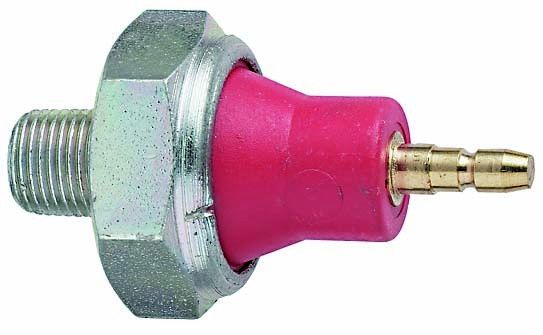
A faulty engine oil pressure switch is a common issue on the Honda CR-V. This part can fail in two main ways: it can start leaking oil, or it can fail electronically, causing your oil light to come on. An oil leak from the switch is a frequent problem, often seen as oil dripping from the back of the engine near the passenger side. An electronic failure can trigger your dashboard's oil pressure light or a check engine light with codes like P0522 or P0523.
Do Not Ignore the Oil Light
If your red oil pressure light comes on, you should pull over and turn off the engine as soon as it is safe. Driving with low oil pressure can destroy your engine in a very short time. Always check your oil level first. If the level is normal, the problem could be this switch, but it's risky to assume.
Common Failure Symptoms

Here are the most common signs that your CR-V's oil pressure switch is failing:
- Oil Pressure Light On: The light may stay on constantly or flicker, especially during turns or at idle.
- Visible Oil Leak: This is a very common failure. The switch itself leaks oil, which drips down the back of the engine block. The leak often happens between the metal and plastic parts of the sensor.
- Check Engine Light: A faulty switch can trigger diagnostic trouble codes (DTCs). Common codes include P0522 (low voltage), P0523 (high voltage), and P2646/P2647 for the VTEC system's switch.
Known Issues for 2002-2009 Honda CR-V (TSB 13-021)

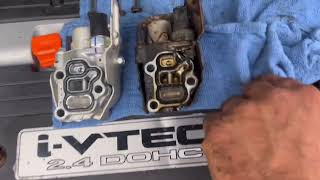
Honda released a Technical Service Bulletin (TSB) for the 2002-2009 CR-V, among other models, for an intermittently failing rocker arm oil pressure switch. This specific switch is part of the VTEC system. Symptoms include the Check Engine Light and VSA light coming on, sometimes putting the vehicle into a limp mode. The problem often triggers codes P2646 or P2647. The official fix is to replace the switch and its O-ring.
🎬 See how to fix a P2646 code and VTEC switch issue.Choosing the Right Aftermarket Part

While a Genuine Honda part is always a safe choice, high-quality aftermarket brands offer a reliable repair at a lower cost. For a part this critical, it's best to avoid the cheapest options, which may not be durable.
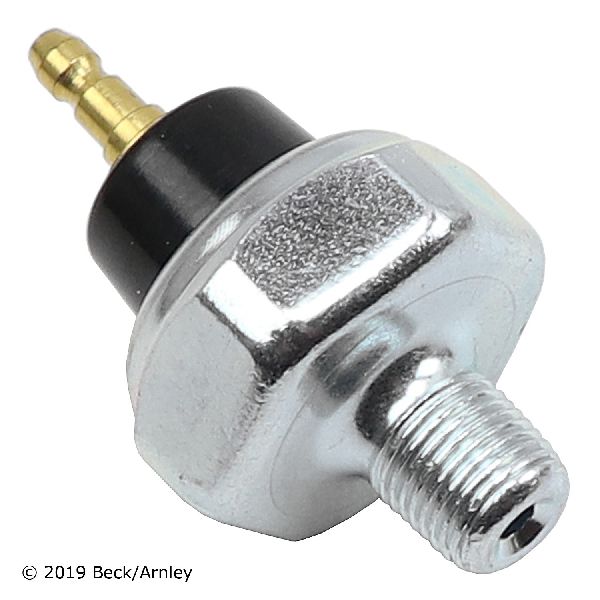
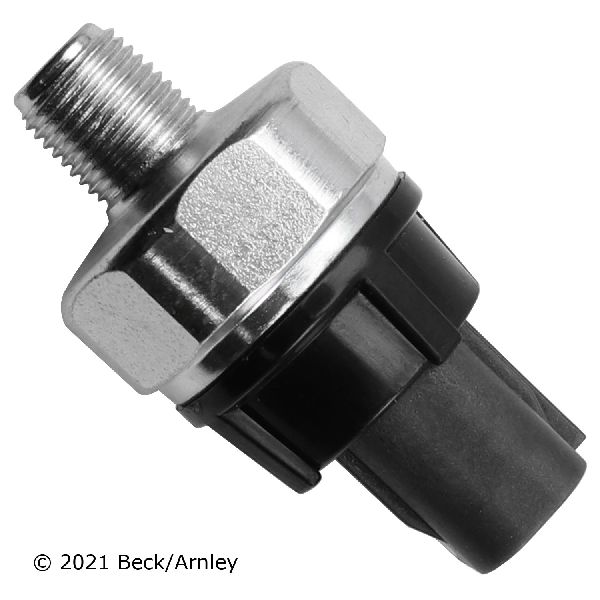
- Premium Aftermarket (Good Bet): Brands like Beck Arnley, Standard Motor Products (SMP), and Facet are known for producing quality sensors that meet or exceed original specifications. They are a solid choice for reliability without the OEM price.
- Standard Aftermarket (Use with Caution): Brands like URO Parts or other lower-cost options can be a gamble. While they may work, their long-term reliability can be inconsistent. Given the risk of oil leaks and the importance of accurate pressure readings, saving a few dollars here may not be worth it.
- Genuine Honda (OEM): This is the most expensive option but guarantees a perfect fit and the quality your vehicle was built with.
Pro Tip: Replace the O-Ring or Use Sealant
When replacing the switch, it's critical to ensure it seals properly. The official Honda TSB for the VTEC switch calls for replacing the O-ring. Some switches have tapered pipe threads and require a small amount of liquid thread sealant. Always follow the instructions included with your new part.
| Part | Cost Range |
|---|---|
| New Aftermarket Switch | $11 - $118 |
| New OEM Honda Switch | $60 - $165 |
| Shop Labor | $75 - $150 |
Frequently Asked Questions (FAQ)

Where is the oil pressure switch on my Honda CR-V?
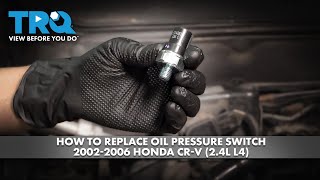
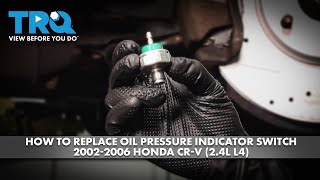
On most 2.4L engines, the main oil pressure switch is located on the back of the engine block, near the oil filter. It can be hard to see from above. Access is often easier from underneath or through the passenger-side wheel well. 🎬 Watch this step-by-step guide to replacing the oil pressure switch. Models with VTEC have a second switch located on the VTEC solenoid assembly itself.
Can I replace the oil pressure switch myself?
Yes, this is a DIY-friendly job for most home mechanics. It requires basic tools, primarily a deep socket (usually 22mm or 24mm) and a ratchet. The biggest risk is over-tightening the new switch, which can crack the engine block—a very expensive mistake. It is crucial to use a torque wrench and tighten to the specified value, typically around 13-16 lb-ft.
Are there any recalls for the CR-V oil pressure switch?
No. While the Honda CR-V has had recalls for other issues like frame rust and fuel system components, there are no active NHTSA recalls specifically for a failing engine oil pressure switch.
What's the difference between an oil pressure switch and a sensor?
The terms are often used interchangeably. A simple "switch" just turns the oil light on or off. A "sensor" or "sending unit" can provide a variable reading to a gauge or the engine computer. For most CR-V applications, the part functions as a switch to alert the driver of low pressure.
Helpful Videos
Technical Specifications
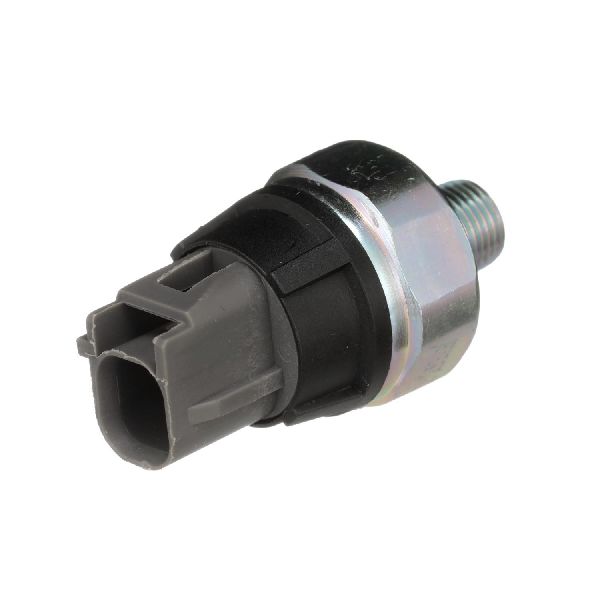
OEM Part Numbers: 37240-PT0-014 37240-P2F-A01 37250-PNE-G01 91319-PAA-A01
Location: Rear of engine block, often near oil filter or on VTEC solenoid. Socket Size: Typically 22mm or 24mm deep socket. Torque Specification: Approximately 13-16 lb-ft (22 N·m); confirm spec for your specific part.
We Have This Part in Stock


The information in this article is provided for general reference and educational purposes only. Vehicle specifications, procedures, and part compatibility can vary by production date, trim level, and region. Always consult your vehicle's factory service manual and verify part numbers before purchasing or performing repairs. Safety-critical components such as airbags, seat belts, and braking systems should be installed by a qualified professional.
- Honda CR-V:
- 🎬 Helpful Videos
- 🛍️ Shop This Part
- Is your CR-V's oil light on or do you see a leak?
- Do Not Ignore the Oil Light
- Common Failure Symptoms
- Known Issues for 2002-2009 Honda CR-V (TSB 13-021)
- Choosing the Right Aftermarket Part
- Pro Tip: Replace the O-Ring or Use Sealant
- Frequently Asked Questions (FAQ)
- 🎟️ Get 5% Off