

A Subaru Baja Owner's Guide to the Engine Coolant Temperature Sensor (2003-2006)
Fixing common running issues with your Baja often starts with this critical, but simple, engine sensor.
- A bad ECT sensor can cause overheating, poor fuel economy, a rough idle, and a Check Engine Light with codes P0117 or P0118.
- Replacement is a manageable DIY task requiring a 19mm deep socket, but access is tight under the intake manifold.
- The genuine Subaru sensor is competitively priced, but high-quality aftermarket brands like NGK or Beck Arnley are reliable alternatives.
- Do not ignore symptoms; a failed sensor can lead to critical engine damage from overheating.
Is Your Subaru Baja Running Rough? It Could Be the Coolant Temp Sensor
If you're experiencing issues like a rough idle, poor gas mileage, or even overheating in your 2003-2006 Subaru Baja, a faulty Engine Coolant Temperature (ECT) sensor is a common culprit. This sensor tells your engine's computer how hot or cold the engine is, which affects everything from the fuel mixture to the cooling fans. When it fails, it can send incorrect information, leading to a host of noticeable problems. Understanding the symptoms and your replacement options can save you from a headache and more expensive repairs down the road.
Symptoms of a Failing ECT Sensor
A bad ECT sensor can make your Baja act up in several ways. Here are the most common signs:
- Check Engine Light: This is often the first sign. The ECU will detect a signal from the sensor that is outside the normal range and trigger a light on your dash. Common trouble codes associated with this are P0117 (Circuit Low) and P0118 (Circuit High).
- Poor Fuel Economy: If the sensor incorrectly tells the ECU the engine is cold, the computer will enrich the fuel mixture, just like it does during a cold start. This wastes gas and can lead to a noticeable drop in your MPG.
- Black Smoke from Exhaust: That overly rich fuel mixture doesn't always burn completely in the engine. When it burns in the hot exhaust pipe, it can create black smoke.
- Engine Overheating: A critical function of the ECT sensor is to tell the ECU when to activate the radiator cooling fans. If the sensor fails to report that the engine is getting hot, the fans may not turn on, leading to overheating, especially in stop-and-go traffic.
- Rough Idle and Hard Starting: An incorrect temperature reading can throw off the engine's timing and air-fuel ratio, causing it to idle poorly, hesitate, or be difficult to start.
A Note on Recalls and TSBs
As of early 2026, there are no specific recalls or Technical Service Bulletins (TSBs) from Subaru or the NHTSA for the engine coolant temperature sensor on the 2003-2006 Subaru Baja. Issues found for other models or cooling system components do not apply directly to this part on this vehicle.
Choosing the Right Aftermarket Sensor
When replacing a sensor that is so critical to engine management, quality matters. While there are budget-friendly options, they can sometimes cause more problems than they solve. For Subarus, it's often best to stick with either a genuine OEM part or a top-tier aftermarket brand known for making OEM parts.
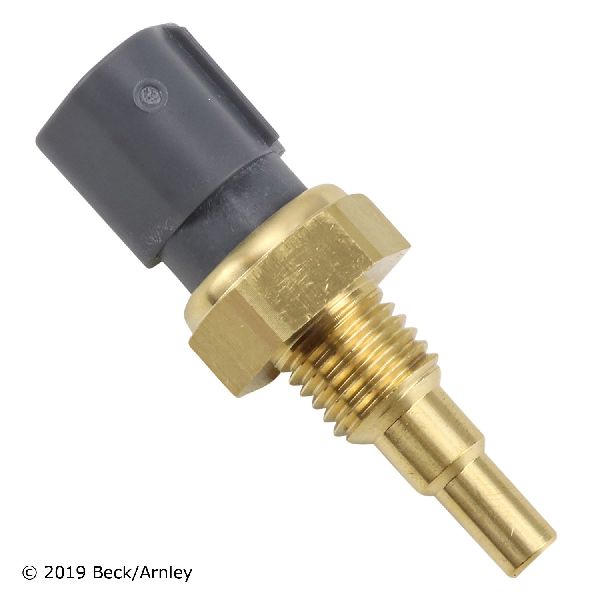
- Best Quality (OEM & OEM-Equivalent): The genuine Subaru sensor (Part No. 22630AA161) is competitively priced with high-end aftermarket options, making it a strong choice. Brands like NGK (under their NTK brand) are well-regarded as original equipment suppliers for many Japanese vehicles and offer excellent reliability.
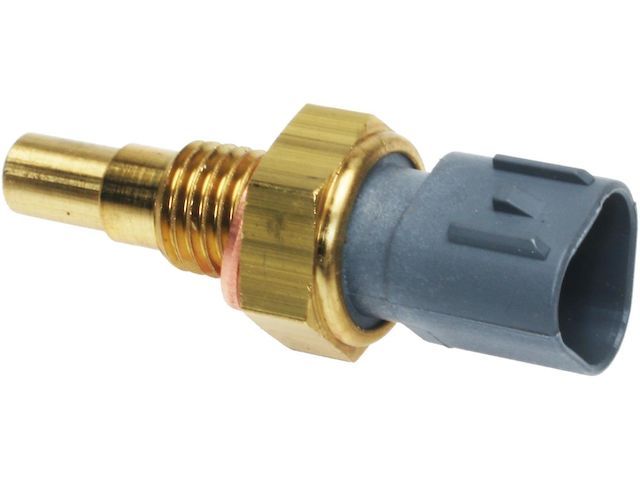
- Good Quality (Reputable Aftermarket): Brands like Beck Arnley and Standard Ignition (SMP) have a long history of producing reliable aftermarket components. They offer a good balance of quality and price and are a solid choice for this repair.
- Economy Tier: Brands like Global Parts and Holstein offer a lower-cost alternative. While tempting, be aware that sensor accuracy and longevity might not match the higher-tier brands. For a part this critical, spending a few extra dollars for a better brand is a wise investment.
| Part Type | Estimated Cost |
|---|---|
| New Aftermarket | $23.35 - $51.34 |
| New OEM (Subaru) | $30.00 - $45.00 |
| Shop Labor | $75.00 - $150.00 |
Pro Tip: Installation
Replacing the ECT sensor is a manageable DIY job for those comfortable working on their engine. The sensor is located on the coolant crossover pipe, underneath the intake manifold on the passenger side. You will need a 19mm deep socket to remove and install it. Access can be tight, so you may need to move some wiring or hoses out of the way. To minimize coolant loss, have the new sensor ready to screw in as soon as you remove the old one. It's also a good idea to perform this on a cold engine to avoid burns and pressure in the cooling system.
Frequently Asked Questions
Where is the ECT sensor located on a 2003-2006 Subaru Baja?
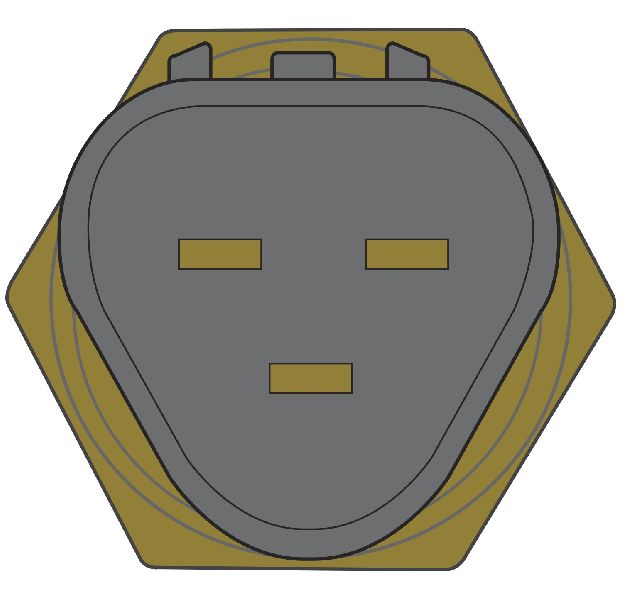
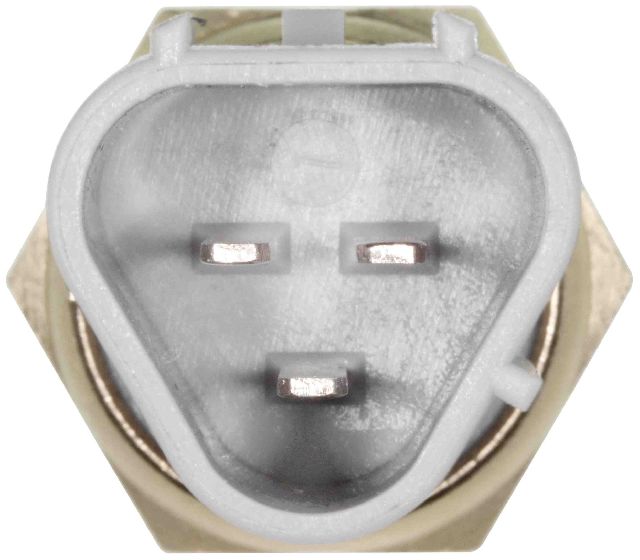
The sensor is threaded into the metal coolant crossover pipe that runs underneath the intake manifold. It is typically found on the passenger side of the engine. It has a three-wire electrical connector.
Can I replace the ECT sensor myself?
Yes, this is a very feasible DIY project. The main tools required are a 19mm deep socket and a ratchet. You should work on a cold engine. While you can swap the sensor quickly to minimize coolant loss, the proper procedure involves draining a small amount of coolant first.
What happens if I don't replace a bad ECT sensor?
Ignoring a faulty ECT sensor can lead to persistent poor fuel economy, failed emissions tests, and a constant Check Engine Light. The most serious risk is engine overheating if the sensor fails to trigger the cooling fans, which can cause severe and expensive engine damage like a blown head gasket.
Is the sensor for the temperature gauge the same as the one for the computer?
Yes. On the 2003-2006 Subaru Baja, a single three-wire sensor provides temperature information to both the engine computer (ECU) and the temperature gauge on your instrument cluster.
Technical Specifications
OEM Part Numbers: 22630AA161 22630AA160 22630AA11A 22630AA100
3-pin electrical connector. Requires 19mm deep socket for installation/removal.
We Have This Part in Stock


The information in this article is provided for general reference and educational purposes only. Vehicle specifications, procedures, and part compatibility can vary by production date, trim level, and region. Always consult your vehicle's factory service manual and verify part numbers before purchasing or performing repairs. Safety-critical components such as airbags, seat belts, and braking systems should be installed by a qualified professional.
- Subaru Baja: