

Choosing the Right Disc Brake Pads for Your 2003-2008 Chevrolet Express 3500
Stopping a one-ton van requires the right parts; here’s how to choose the best brake pads for your workhorse.
- For a heavy Express 3500, choose Severe-Duty or Heavy-Duty semi-metallic brake pads for the best performance and heat resistance.
- Be cautious with ceramic pads, as some owners report severe vibration issues with them on these vans.
- A recall was issued for 2003-2004 models for a potential hydro-boost system defect that could increase stopping effort.
- Always replace brake rotors at the same time as the pads to ensure safety and performance.
Signs of Failing Brake Pads on Your Express 3500
Your van will give you clear warnings when the brake pads are nearing the end of their life. Ignoring these signs can lead to more expensive repairs, like replacing rotors or calipers. Be aware of these common symptoms:
- Squealing or Screeching: Most brake pads have a small metal tab called a wear indicator. When the pad material wears down, this tab contacts the rotor and makes a high-pitched noise, telling you it's time for a replacement.
- Grinding Noises: A loud, metallic grinding sound means the friction material is completely gone. This is a critical situation where the metal backing plate of the pad is grinding against the rotor, causing severe damage. Stop driving the vehicle immediately.
- Spongy or Soft Brake Pedal: If the pedal feels less responsive or goes closer to the floor, it could indicate worn pads or issues with the hydraulic system. Some owners have reported this feeling in connection with ABS system malfunctions.
- Vibration or Pulsing: A shaking steering wheel or pulsing brake pedal when you brake can be caused by unevenly worn pads or warped brake rotors. Some Express 3500 owners have reported a severe vibration, sometimes called a "death wobble," which they have linked to using ceramic brake pads that may not be suitable for the vehicle's weight and suspension design.
- Brake Drag: If you feel the van struggling to move as if the brakes are partially applied, it could be due to rusted or seized pads or caliper pistons. This causes the pads to remain in contact with the rotors, generating extreme heat and wearing out quickly.
Known Vehicle-Specific Issues
Hydro-Boost Recall: A recall was issued for some 2003-2004 Express vans for an out-of-specification brake hydro-boost housing. This defect could lead to increased brake pedal effort needed to stop the vehicle. The hydro-boost system uses power steering pressure to assist braking, so a fluid leak can affect both steering and braking power.
Premature Rear Brake Wear: Some fleet operators, particularly those with van buses, have noted premature wear on the rear brakes for this vehicle generation.
Choosing the Right Aftermarket Brake Pads
For a heavy vehicle like the Express 3500, selecting the right type of brake pad is more important than on a typical passenger car. The choice between friction materials can significantly impact performance and safety, especially when hauling cargo or towing.
Pro-Tip: Semi-Metallic vs. Ceramic for Your Van
While ceramic pads are popular for being quiet and low-dust, several owners strongly recommend using Semi-Metallic pads on the Express 3500. Some have linked the use of ceramic pads to dangerous front-end vibrations or "death wobble" under braking. Semi-metallic pads are generally better at dissipating the high heat generated by a heavy vehicle, reducing brake fade and providing more consistent stopping power under load. They may create more dust and noise, but for a work van, performance and safety should be the priority.
Brand Tiers for the Express 3500
The many brands available can be grouped into tiers based on their intended use.
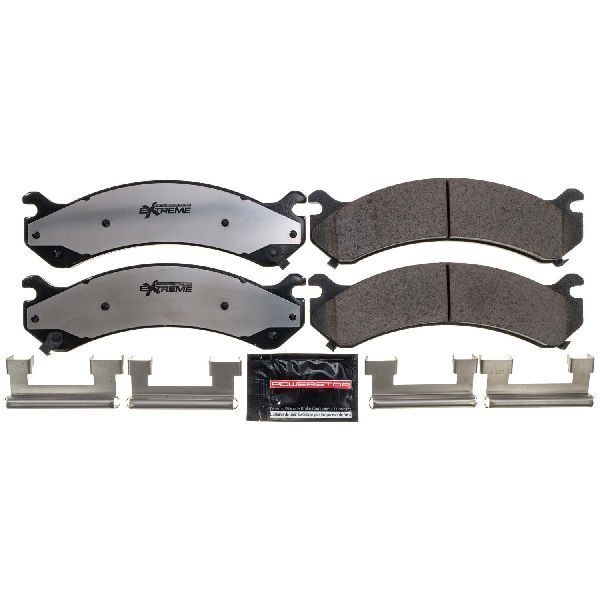
- Severe-Duty / Heavy-Duty: These are the most recommended pads for an Express 3500. They are engineered for high heat, constant use, and heavy loads. Look for product lines specifically marketed for trucks, towing, or fleet vehicles.
Brands: Powerstop (Z36 Truck & Tow), Wagner (Wagner SD), Bosch (Severe Duty), Hawk (LTS). - Premium / Daily Driver (OEM-Quality): This tier offers a balance of performance, noise control, and durability, often meeting or exceeding original factory specifications. ACDelco's Professional line fits here, as do brands like Akebono and Bosch's QuietCast line. While high quality, be cautious with ceramic formulations in this tier due to owner-reported vibration issues.
- Economy: These pads meet basic safety standards and are the most affordable. They are best for light-use vans that don't carry heavy loads. Expect a shorter lifespan and potentially more noise compared to higher-tier options.
Brands: Wagner (QuickStop), ACDelco (Advantage), and other private-label store brands.
| Part Type | Estimated Cost | Notes |
|---|---|---|
| New Aftermarket Pads | $35 - $214 | Price depends heavily on brand and friction material (Economy vs. Severe-Duty). |
| New OEM (ACDelco) Pads | $70 - $250 | Represents GM Original Equipment parts, typically at a higher price point. |
| Shop Labor | $150 - $250 | Labor for replacing pads on one axle. Costs vary by region and shop. |
Frequently Asked Questions
Should I replace the rotors with the pads?
It is highly recommended. For a heavy-duty vehicle, installing new pads on old, worn, or warped rotors can lead to poor performance, noise, and vibration. Replacing pads and rotors together ensures a fresh, flat surface for proper pad bedding and optimal braking power.
What's the difference between front and rear pads?
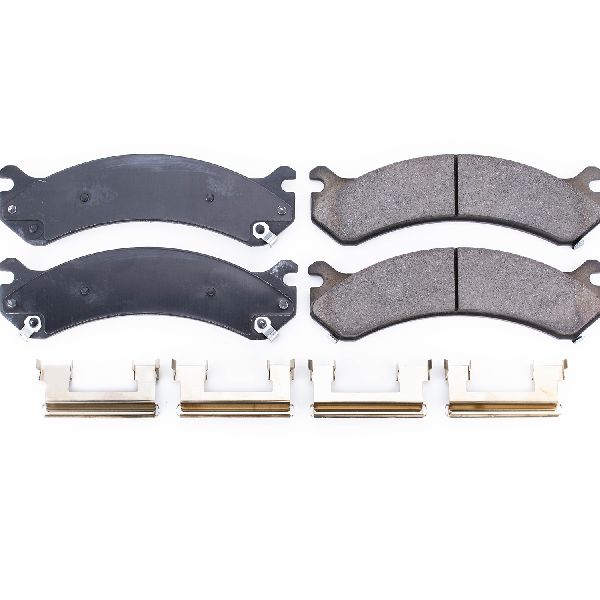
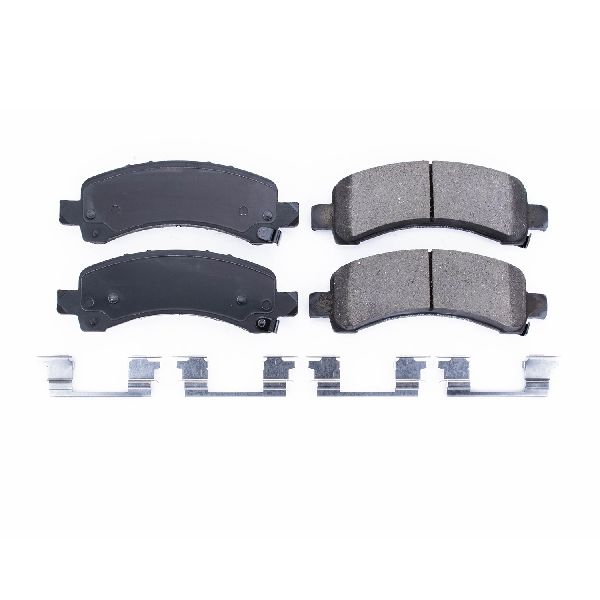
Front and rear brake pads are not interchangeable. They have different shapes and sizes. The front brakes on your Express 3500 do most of the work and tend to wear out faster than the rears. Always ensure you are buying the correct pads for the axle you are servicing.
What is "bedding-in" new brake pads?
Bedding-in is a process of several controlled stops after installation. It transfers a thin, even layer of friction material onto the brake rotor. This process is crucial for smooth, quiet, and powerful braking throughout the life of the pads. Most manufacturers include specific bedding-in instructions with their products.
Can I do this job myself?
Yes, replacing brake pads is a feasible DIY job for someone with mechanical experience and the right tools. You will need a heavy-duty jack and jack stands, a 22mm socket for the wheels, an 18mm socket for the caliper bolts, and a large C-clamp or piston compressor tool. The caliper bracket bolts have a very high torque specification (221 ft-lbs), so a powerful torque wrench is necessary for proper reassembly.
Technical Specifications
The 2003-2008 Express 3500 uses a dual-piston front caliper and a single-piston rear caliper. The braking system is a hydro-boost design, assisted by the power steering pump. Recommended friction material for this heavy-duty application is semi-metallic.
We Have This Part in Stock


The information in this article is provided for general reference and educational purposes only. Vehicle specifications, procedures, and part compatibility can vary by production date, trim level, and region. Always consult your vehicle's factory service manual and verify part numbers before purchasing or performing repairs. Safety-critical components such as airbags, seat belts, and braking systems should be installed by a qualified professional.
- Chevrolet Express 3500: