

Volvo XC70 Engine Crankcase Breather Hose Guide (2003-2008)
Understanding the common failure points of your XC70's PCV system and how to choose the right replacement parts.
- Always replace the entire PCV system (hoses, oil trap, seals), not just one broken hose, to avoid repeating the labor-intensive repair.
- A clogged PCV system can cause high engine pressure, leading to expensive oil seal leaks if ignored.
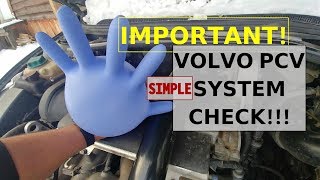
- Use the 'glove test' on the oil filler neck to quickly check for crankcase pressure buildup.
- Choose a quality brand like Genuine Volvo, CRP, or Gates; budget brands like URO have a poor reputation for this specific job.
Is Your XC70's PCV System Failing?
The crankcase breather hoses on the P2 generation XC70 are a common maintenance item. Due to constant exposure to engine heat and oil vapors, the plastic and rubber components become brittle, crack, and clog over time. This is especially common on vehicles that are frequently used for short trips, as the oil doesn't get hot enough to burn off contaminants, leading to sludge buildup. When the system clogs or leaks, pressure builds inside the engine. This pressure can force oil past seals, leading to significant leaks and potentially severe engine damage if left unchecked.
A Single Hose vs. The Whole System
If you find one cracked breather hose, it's a strong indicator that the rest of the system is in the same poor condition. The hoses become just as brittle and clogged as the one that failed. For this reason, experienced mechanics and Volvo owners strongly recommend replacing the entire PCV system at once. This includes all related hoses, the oil separator box, and associated seals. While it costs more upfront, it prevents you from having to repeat the difficult job of removing the intake manifold when the next hose fails.
Symptoms of a Bad Breather Hose or Clogged PCV System
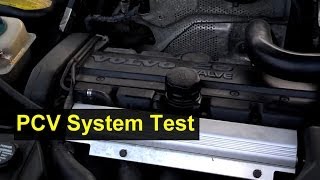
- Whistling or Moaning Noise: High pressure escaping the crankcase can create a distinct whistling sound from the engine, which may stop if you remove the oil filler cap. 🎬 Listen: Hear the whistling sound caused by a bad oil trap.
- Oil Leaks: New oil leaks, particularly from the camshaft or crankshaft seals, are a classic sign of excessive crankcase pressure pushing oil out.
- Check Engine Light: A leak in the PCV system can create a vacuum leak, disrupting the air-fuel mixture and triggering diagnostic trouble codes.
- Rough or Unstable Idle: The engine's computer tries to compensate for the unmetered air from a vacuum leak, which can cause a rough or oscillating idle.
- Increased Oil Consumption: A faulty PCV system can cause the engine to consume more oil than usual.
Choosing the Right Aftermarket Part
When shopping for a replacement, you'll find individual hoses and complete kits. Given the labor involved, a complete kit is the recommended path. Brand quality varies significantly.
Brand Quality Tiers
- Tier 1: Genuine Volvo / CRP (Rein): Genuine Volvo is the original part and the benchmark for quality. CRP (under the Rein Automotive brand) markets itself as an OE-quality equivalent, designed to match the original in fit and materials, and is a trusted option.
- Tier 2: Gates: Gates is a well-respected name in the automotive hose industry. Their products are engineered to be durable and resistant to oil and fuel vapors, making them a solid choice for this repair.
- Tier 3: URO Parts: URO is generally considered a budget brand. While the price is attractive, numerous Volvo owners in forums report issues with fitment and longevity of their rubber and plastic parts. It may be a choice for a quick fix, but for a labor-intensive job like this, a higher-quality brand is often worth the extra cost to avoid doing the job twice.
| Part Type | Typical Price Range |
|---|---|
| New Aftermarket (Single Hose) | $8 - $30 |
| New Aftermarket (Full Kit) | $80 - $260 |
| Genuine Volvo (Full Kit) | $200 - $350+ |
| Shop Labor for Full System | $400 - $700 |
The Glove Test
A simple way to check for positive crankcase pressure is the "glove test." With the engine running, remove the oil filler cap and place a latex glove over the opening. If the glove inflates, the PCV system is clogged and needs service. If it gets lightly sucked in, the system is working correctly.
🎬 Watch: A quick demonstration of the glove test in action.Frequently Asked Questions
Can I just replace the one broken hose?
You can, but it's not recommended. The labor to access the PCV system by removing the intake manifold is significant. Since all the plastic and rubber components age at the same rate, another part of the system is likely to fail soon, forcing you to do the entire job again. Replacing the complete kit is the most reliable and cost-effective solution in the long run.
How difficult is this job to do myself?
For a DIY mechanic, this job is considered moderately difficult and time-consuming. It requires removing the intake manifold, fuel rail, and working in tight spaces. It is achievable with basic tools and patience, but it can take a home mechanic several hours (4-8 hours is a common estimate).
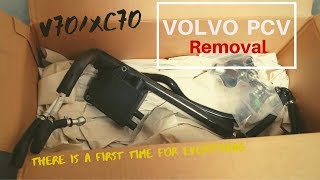
🎬 See this step-by-step walkthrough of the PCV removal process.Are there any recalls for the XC70 breather hose?
No. Searches of the National Highway Traffic Safety Administration (NHTSA) database show no recalls or technical service bulletins (TSBs) specifically for the engine crankcase breather hose or PCV system on the 2003-2008 Volvo XC70.
What happens if I don't replace a bad breather hose?
Ignoring a clogged or broken PCV system can lead to serious problems. The buildup of pressure can blow out major engine seals like the rear main seal, leading to massive oil leaks and a very expensive repair. In extreme cases, it can lead to catastrophic engine failure.
Helpful Videos
Technical Specifications
OEM Part Numbers: 8692211 1271654 30677388 8692217
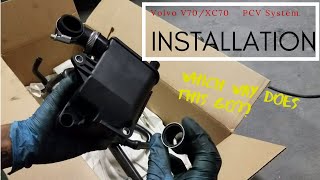
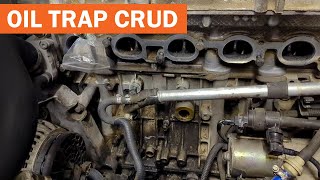
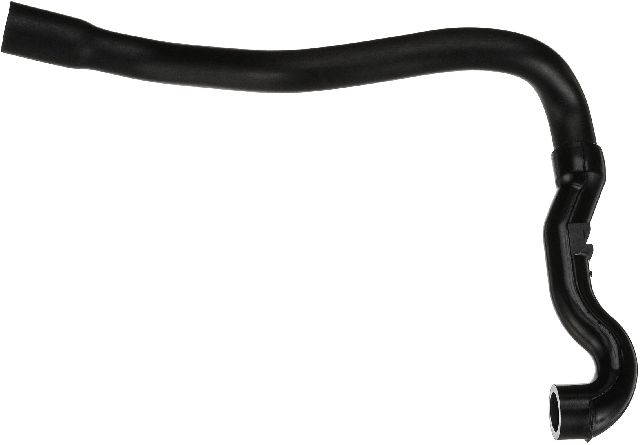
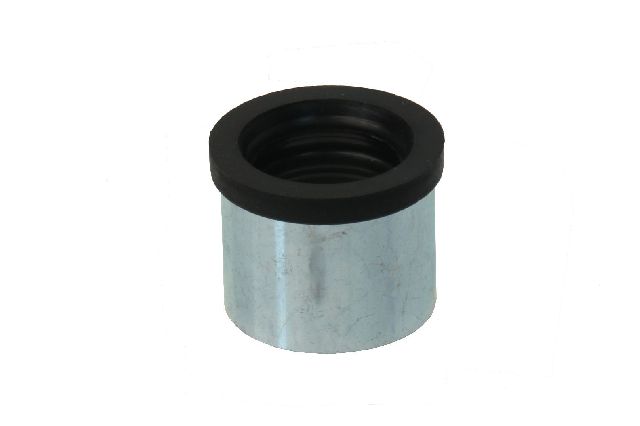
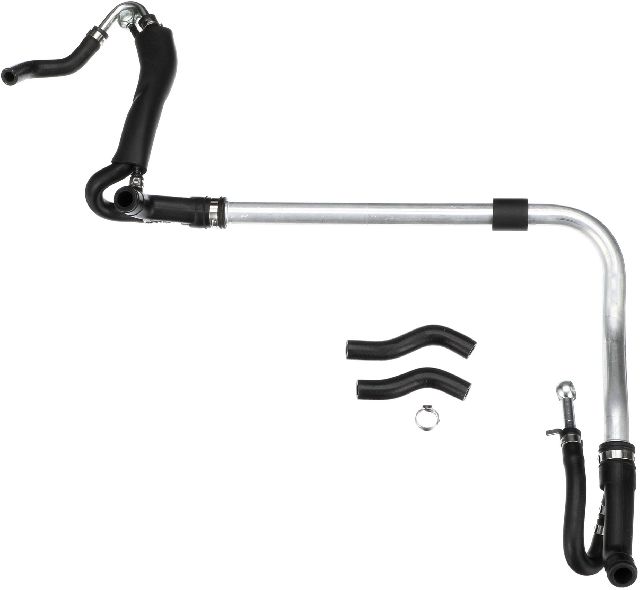
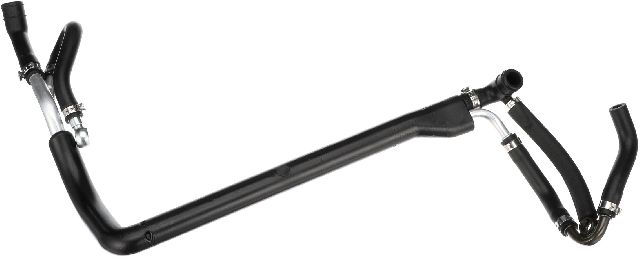
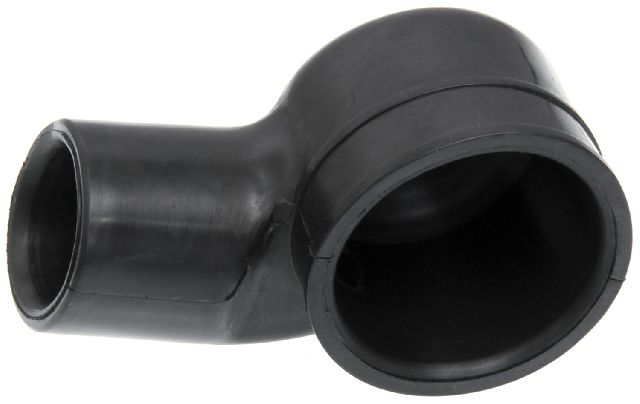
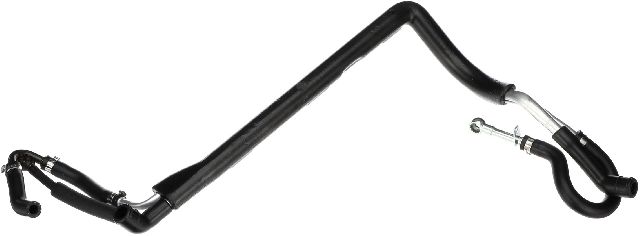
System consists of an oil separator box and multiple plastic/rubber hoses connected to the engine block, valve cover, and intake manifold.
We Have This Part in Stock

The information in this article is provided for general reference and educational purposes only. Vehicle specifications, procedures, and part compatibility can vary by production date, trim level, and region. Always consult your vehicle's factory service manual and verify part numbers before purchasing or performing repairs. Safety-critical components such as airbags, seat belts, and braking systems should be installed by a qualified professional.
- Volvo XC70: