

Chevrolet Express 1500 Engine Oil Pressure Switch: A 2003-2009 Owner's Guide
Diagnose and fix the common oil pressure gauge and warning light problems on your Express van.
- A gauge reading zero or maxed out is the most common sign of a failed sensor, not necessarily a bad engine.
- The sensor is very hard to access; the job requires special tools and patience.
- Always replace the small filter screen under the sensor at the same time to prevent future issues.
- Using a quality OEM (ACDelco) or premium aftermarket part is highly recommended to avoid repeating this difficult repair.
Is Your Oil Pressure Gauge Acting Up?
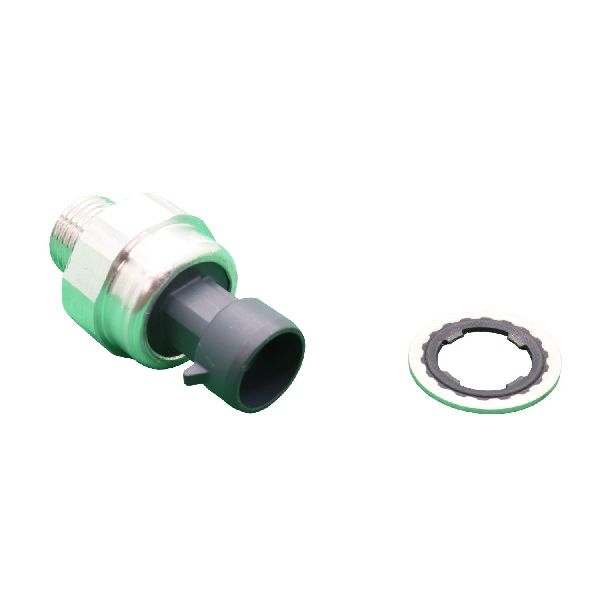
A faulty engine oil pressure switch is a very common issue on the 2003-2009 Chevrolet Express 1500, especially those with the 4.8L, 5.3L, or 6.0L V8 engines. The most frequent complaints are an oil pressure gauge that reads zero, is maxed out high, or a "Low Oil Pressure" warning light that stays on even when the engine oil level is perfect. While alarming, these symptoms often point to a bad sensor rather than a serious engine problem.
Choosing the Right Aftermarket Part
Because replacing this sensor is a difficult job, choosing a quality part is important to avoid doing the work twice. Here’s a breakdown of your options.
- OEM (ACDelco): The original part is made by ACDelco, which is GM's official parts brand. Mechanics and experienced owners often recommend using the ACDelco sensor for the best reliability and fit, even if it costs more.
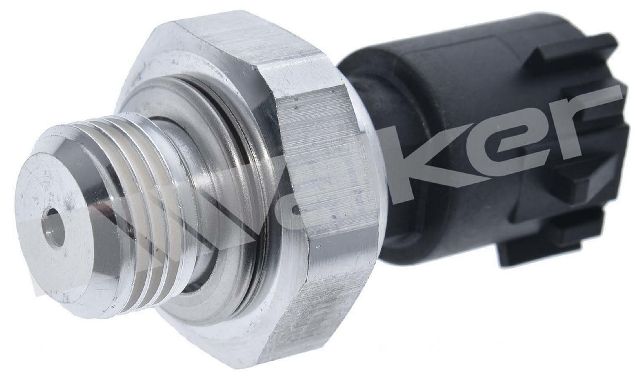
- Premium Aftermarket (Standard Ignition, Walker Products): Brands like Standard Ignition and Walker Products are established aftermarket manufacturers. They state their parts are engineered to meet or exceed OE specifications. Standard manufactures its switches in North America and includes features like high-temperature diaphragms for durability. However, some user reviews for aftermarket sensors can be mixed, with occasional reports of early failure.
- Standard Aftermarket (Holstein, Rostra, Vemo, etc.): These brands offer a more budget-friendly option. While they can provide significant cost savings, their long-term durability may not match that of OEM or premium aftermarket parts. Given the labor involved in the replacement, a cheaper part might cost more in the long run if it fails prematurely.
Known Issues, TSBs, and Recalls
While the sensor itself is a common failure point, be aware of other possibilities.
- No Recalls: There are no specific NHTSA recalls for the engine oil pressure switch on the 2003-2009 Chevrolet Express 1500.
- Technical Service Bulletins (TSBs): GM has issued bulletins related to the P0521 trouble code. TSB 20-NA-161 suggests the code can be caused by a sticking oil pressure relief valve in the oil pump, not the sensor. Another document, SB-10059078, also addresses P0521 and refers to engine cleaning procedures related to certain oil filters. This means that while the sensor is the most likely culprit, it's not the only cause for these warnings.
| Part Type | Price Range |
|---|---|
| New OEM (ACDelco) | $45 - $75 |
| New Aftermarket | $21.34 - $82.58 |
| Shop Labor | $150 - $300 |
Frequently Asked Questions (FAQ)
Where is the oil pressure switch located on a 2003-2009 Express 1500?
The sensor is in a very difficult-to-reach spot. It is located at the very back of the engine block, near the firewall, behind and below the intake manifold. You cannot easily see it and must work by feel from the top of the engine.
Can I replace this sensor myself?
This is a challenging DIY job. It requires leaning over the engine for an extended period and working in a blind spot. You will need a special 1-1/16 inch oil pressure sensor socket, a ratchet with various wobble extensions, and a torque wrench. While possible for an experienced DIYer, many owners choose to have a professional handle this repair due to the difficulty.
What happens if I ignore a bad oil pressure switch?
If the sensor is simply giving false readings, the main problem is the annoying and misleading warnings. The real danger is if the sensor fails to warn you when there is a *real* drop in oil pressure. Driving with genuine low oil pressure can quickly lead to catastrophic engine damage. Because it's hard to know if the warning is real or false without testing, it should be addressed immediately.
Why is my gauge stuck on high?
A gauge reading that is maxed out is a common symptom of a failed sensor on these GM vehicles. It is often caused by an internal short circuit in the sensor, which sends a high voltage signal to the computer, resulting in a P0523 trouble code.
Technical Specifications
OEM Part Numbers: 12673134 12621234 12596951
The replacement requires a special 1-1/16" (27mm) oil pressure sensor socket. The sensor torque specification is 22 ft-lbs.
We Have This Part in Stock


The information in this article is provided for general reference and educational purposes only. Vehicle specifications, procedures, and part compatibility can vary by production date, trim level, and region. Always consult your vehicle's factory service manual and verify part numbers before purchasing or performing repairs. Safety-critical components such as airbags, seat belts, and braking systems should be installed by a qualified professional.
- Chevrolet Express 1500: