

A Guide to Spark Plugs for the 2003-2010 Honda CR-V
Choosing the right spark plugs is essential for keeping your CR-V's K24 engine running efficiently and reliably.
- Stick with OEM-equivalent Iridium spark plugs from NGK or Denso for the best performance and longevity in your CR-V.
- The recommended replacement interval is approximately every 100,000 miles, but symptoms like a rough idle or misfire codes warrant an earlier check.
- This is a very DIY-friendly job; you only need basic hand tools, a spark plug socket, and a torque wrench.
- When installing, tighten new plugs to 13 ft-lbs and do not use anti-seize compound on modern plated plugs.
Symptoms of Failing Spark Plugs

When your CR-V's spark plugs start to wear out, you'll likely notice. The signs can start small but will get worse over time. Look out for a rough idle, where the engine shakes or vibrates more than usual when you're stopped. 🎬 See how bad plugs and coils cause these engine vibrations. You might also experience hesitation when you accelerate, poor fuel mileage, and trouble starting the engine. A flashing or steady Check Engine Light is also a common indicator, often with codes like P0300, P0301, P0302, P0303, or P0304, which point to engine misfires.
Choosing the Right Aftermarket Spark Plugs

For the 2003-2010 Honda CR-V, the original equipment (OEM) spark plugs were made by NGK and Denso. These are widely considered the best choice for performance and reliability in the K24 engine. When shopping for aftermarket plugs, sticking with these two brands is a safe bet.
Aftermarket Brand Tiers
| Tier | Brands | Quality & Performance Assessment |
|---|---|---|
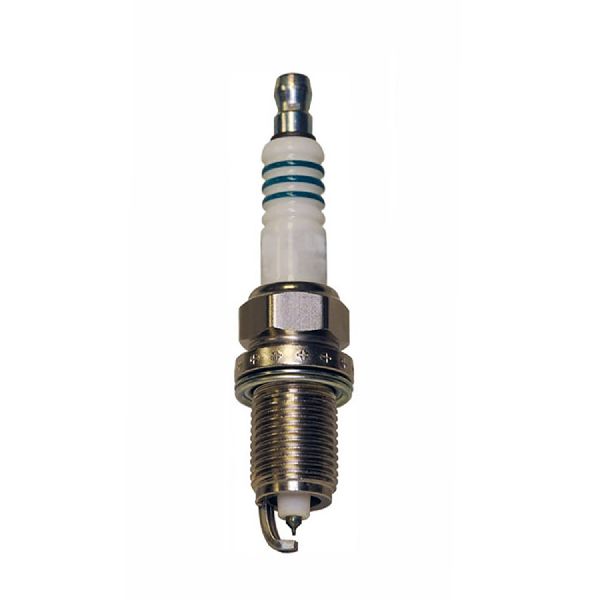
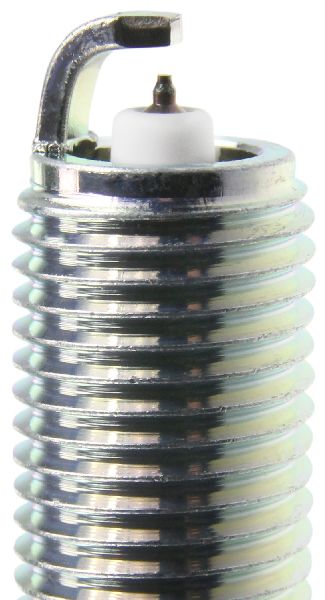
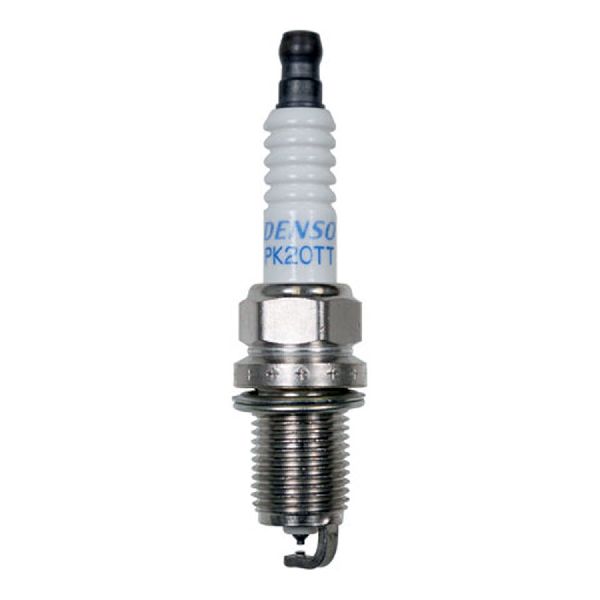
| Tier 1: OEM-Equivalent | NGK (Laser Iridium), Denso (Iridium Long-Life) | These are the factory-spec plugs for your CR-V. They offer the best combination of performance, longevity, and reliability. Both NGK and Denso Iridium plugs are designed to last for over 100,000 miles and ensure your engine runs as smoothly and efficiently as possible. |
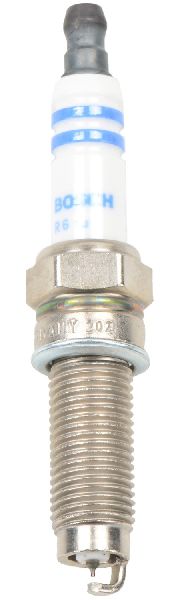
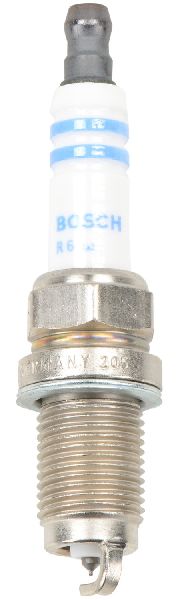
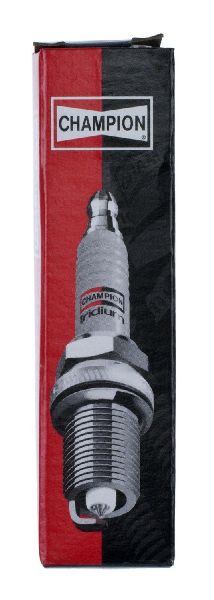
| Tier 2: Reputable Aftermarket | Bosch (Iridium/Platinum), Autolite (Iridium/Platinum), Champion | These brands offer quality spark plugs that are a good alternative if NGK or Denso are not available. While they provide reliable performance, owner and mechanic consensus heavily favors sticking with the OEM brands for Honda engines to guarantee factory-like operation. |
Known Issues, Recalls, and TSBs
There was a recall for some 2010 Honda CR-V models related to the engine wiring harness connector. This could cause intermittent spark firing or engine stalling. Dealers were instructed to inspect and replace the faulty connector. No other widespread recalls or Technical Service Bulletins (TSBs) directly related to spark plug failure were found for the 2003-2010 model years.
Installation Tips for Your CR-V
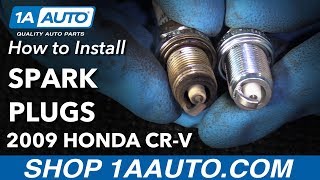
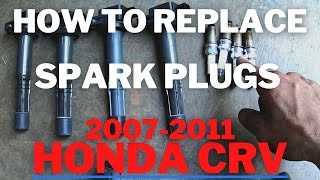
Replacing the spark plugs on the K24 engine is a straightforward job. The plugs are located 🎬 Watch this step-by-step walkthrough for replacing your CR-V spark plugs. under individual ignition coils on top of the engine. Always start threading new plugs by hand to avoid cross-threading the aluminum cylinder head. Use a torque wrench and tighten the new plugs to 13 ft-lbs. Modern NGK and Denso plugs have a special plating and do not require anti-seize compound; using it can cause you to over-torque the plug.
Frequently Asked Questions (FAQ)

How often should I change the spark plugs on my 2003-2010 CR-V?
The recommended replacement interval for the original Iridium spark plugs is around 100,000 to 110,000 miles. However, if you experience any failure symptoms, you should inspect them sooner.
Do I need to gap the spark plugs for my CR-V?
Most Iridium spark plugs from brands like NGK and Denso come pre-gapped. The correct gap for the 2003-2010 CR-V is approximately 0.044 inches (1.1mm). It's always a good idea to verify the gap with a feeler gauge before installation, but be very careful not to damage the fine Iridium tip.
What is the difference between Iridium and Platinum spark plugs?
Iridium is a harder, more durable material than platinum. Iridium plugs, like the ones specified for your CR-V, have a very fine center electrode that requires less voltage to create a spark. This leads to better ignitability and a longer service life, often exceeding 100,000 miles, compared to platinum plugs.
What tools do I need to change the spark plugs?
You will need a ratchet, a 6-inch extension, a 10mm socket (for the coil pack bolts and engine cover), and a 5/8-inch spark plug socket with a rubber insert or magnet to hold the plug. A torque wrench is highly recommended to ensure the plugs are tightened correctly.
My CR-V has a P0301 code. Is it the spark plug?
A P0301 code means a misfire was detected in cylinder #1. A bad spark plug is a very common cause. Other potential causes include a bad ignition coil or a faulty fuel injector. A common diagnostic step is to swap the ignition coil from cylinder #1 with another cylinder (like #2) to see if the misfire code follows the coil (e.g., changes to P0302). If it doesn't, the spark plug is the next most likely culprit.
🎬 Watch: A simple guide to diagnosing your CR-V misfire code.Helpful Videos


Technical Specifications
OEM Part Numbers: 9807B-5617W (NGK IZFR6K11) 9807B-5615W (Denso SKJ20DR-M11)
Spark Plug Type: Iridium Spark Plug Gap: 0.044" (1.1mm) Torque Spec: 13 ft-lbs Socket Size: 5/8"
We Have This Part in Stock

The information in this article is provided for general reference and educational purposes only. Vehicle specifications, procedures, and part compatibility can vary by production date, trim level, and region. Always consult your vehicle's factory service manual and verify part numbers before purchasing or performing repairs. Safety-critical components such as airbags, seat belts, and braking systems should be installed by a qualified professional.
- Honda CR-V: