

Ford Ranger HVAC Heater Hose Guide (2003-2011)
Keep your truck's heat working and prevent engine damage by understanding your Ranger's heater hoses.
- A leaking heater hose can cause engine overheating, leading to severe damage. Do not ignore symptoms.
- Aftermarket brands like Gates, Dayco, and Continental offer OEM-quality replacements at a lower cost than Motorcraft.
- It is highly recommended to replace heater hoses in pairs and to use new hose clamps for a secure seal.
- On some Ranger engines, a plastic T-connector in the hose assembly is a common failure point; inspect it carefully.
Is Your Heater Hose Failing?

Heater hoses are tough, but they don't last forever. Over time, engine heat and coolant chemicals break down the rubber. For a 2003-2011 Ford Ranger, which is getting older, hose failure is a common problem. Look for these signs:
- Coolant Leaks: Puddles of green, orange, or pink fluid under your truck are a dead giveaway. A small leak can quickly become a big one.
- Sweet Smell: If you smell something sweet, like syrup, inside or outside your Ranger, it's likely antifreeze leaking from a hose or the heater core.
- Engine Overheating: If a hose leaks enough coolant, your engine won't be able to cool itself properly, causing it to overheat. This can cause catastrophic engine damage.
- No Cabin Heat: If one hose is hot but the other is only warm, it means coolant isn't flowing through the heater core correctly. This could be a clog or a failing heater control valve connected to the hoses.
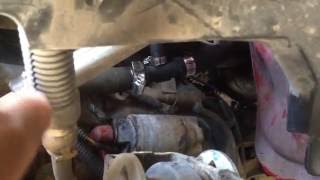
- Visible Damage: Pop the hood and inspect the hoses. Look for cracks, splits, bulges, or soft, spongy spots. On some Rangers, a plastic T-connector in the hose assembly is a common failure point that can crack and leak. 🎬 Watch how to replace a cracked plastic T-connector assembly.
Warning: Do Not Ignore Leaks
A small coolant leak can turn into a major failure without warning, leaving you stranded with an overheated engine. Address any symptoms of a failing heater hose immediately.
Choosing the Right Aftermarket Heater Hose

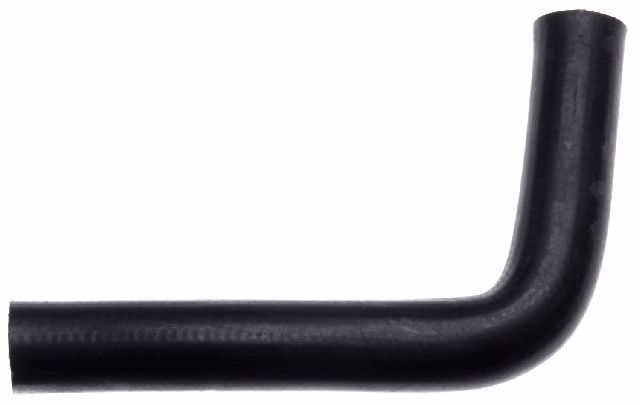
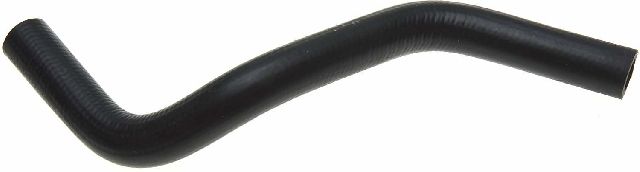
When replacing a heater hose on your Ranger, you have several good options besides going to the dealer. Aftermarket parts from reputable brands often provide similar quality and fit at a better price. Many hoses for the Ranger are "molded," meaning they are pre-bent to fit perfectly around your engine. Some are sold as complex assemblies with plastic T-connectors or valves already installed.
Brand Tiers for Ford Ranger
- OEM (Motorcraft): Motorcraft is Ford's official brand. These parts are a guaranteed perfect fit and the benchmark for quality. However, they are usually the most expensive option. A complete hose assembly from Ford can be costly.
- OEM-Quality Aftermarket (Gates, Dayco, Continental): These are top-tier aftermarket brands known for making parts that meet or exceed original specifications. They use high-quality EPDM rubber designed to resist heat and chemicals. For the Ranger, both Gates and Dayco are considered reliable choices, though some mechanics have preferences based on fitment for specific applications. These brands offer a great balance of quality and cost.
- Silicone Hoses (HPS, etc.): For performance or heavy-duty use, silicone hoses offer higher temperature and pressure resistance. They last longer but are more expensive and can be more permeable, meaning you might need to check your coolant level more often.
Pro Tip: Replace in Pairs
Your heater hoses are the same age and have been exposed to the same conditions. If one fails, the other is likely not far behind. It's smart practice to replace both the inlet and outlet hoses at the same time to save yourself from doing the job twice.
Cost of Replacing a Heater Hose on a 2003-2011 Ford Ranger

| Part Type | Estimated Cost |
|---|---|
| New Aftermarket Part | $15 - $174 |
| New OEM (Motorcraft) Part | $20 - $200+ |
| Shop Labor | $120 - $250 |
| Total (DIY) | $15 - $174 |
| Total (Shop) | $135 - $450+ |
Frequently Asked Questions (FAQ)

Are there any recalls for the 2003-2011 Ford Ranger heater hoses?
No, there are no specific recalls for the heater hoses on the 2003-2011 Ford Ranger. Searches of the National Highway Traffic Safety Administration (NHTSA) database show no recalls for this component in this year range. A recall for later model Rangers (2019-2024) exists for an engine block heater, which is a different component.
Can I replace a Ranger heater hose myself?
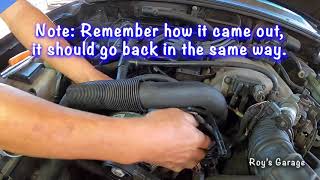
Yes, for most owners with basic tools, this is a very feasible DIY job. 🎬 See a step-by-step guide on replacing Ranger heater hoses. Access can sometimes be tight, but it typically involves loosening hose clamps, pulling off the old hose, and fitting the new one. Remember to have a drain pan ready to catch leftover coolant. Some complex hose assemblies with T-connectors on the 2.3L engine can be more time-consuming.
Should I replace the hose clamps too?
Yes. It is highly recommended to replace the hose clamps when you replace the hoses. The original spring-style clamps can lose tension over time. New worm-gear clamps are inexpensive and provide a secure, leak-free seal.
What kind of coolant should I use in my 2003-2011 Ford Ranger?
Always check your owner's manual for the specific type. Most Ford Rangers in this generation use Ford's Motorcraft Premium Gold Engine Coolant (a yellow-colored fluid). Using the correct coolant is vital for the health of your entire cooling system.
Helpful Videos
Technical Specifications
OEM Part Numbers: KH-400 KHM-5 626-528
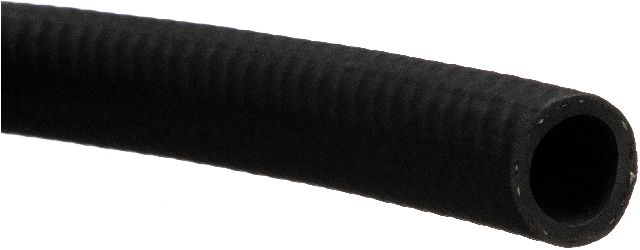
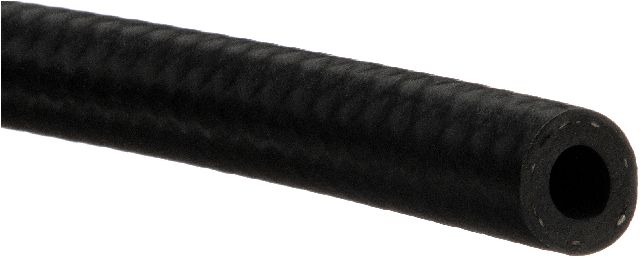
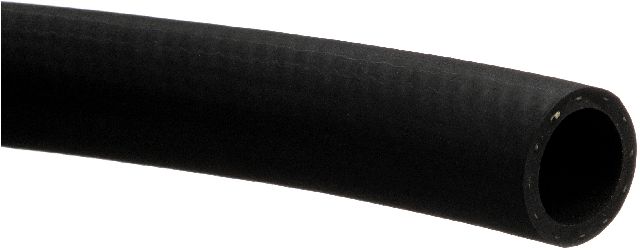
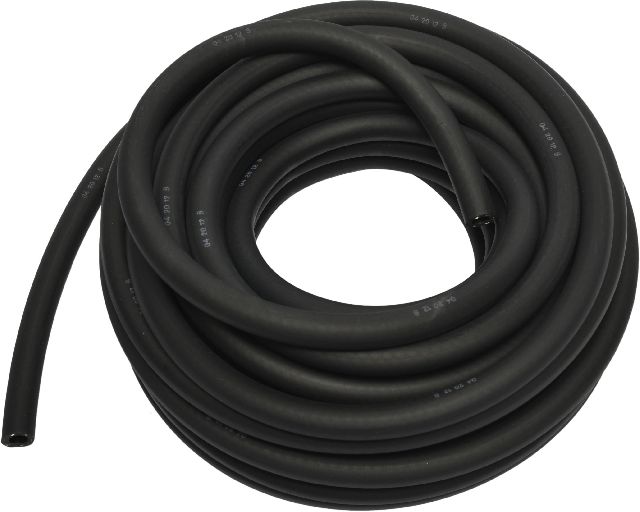
Hoses are typically made of EPDM rubber to resist heat and chemicals. They come in various molded shapes and diameters (e.g., 5/8 inch) specific to the engine (2.3L, 3.0L, 4.0L) and model year. Some are sold as assemblies including plastic tees and connectors.
We Have This Part in Stock

The information in this article is provided for general reference and educational purposes only. Vehicle specifications, procedures, and part compatibility can vary by production date, trim level, and region. Always consult your vehicle's factory service manual and verify part numbers before purchasing or performing repairs. Safety-critical components such as airbags, seat belts, and braking systems should be installed by a qualified professional.
- Ford Ranger: