

Ford Ranger (2003-2012) Throttle Position Sensor Replacement Guide
If your Ranger is hesitating, stalling, or shifting poorly, a bad throttle position sensor could be the reason.
- A bad TPS on a Ranger can cause a wide range of issues, from poor acceleration and rough idle to incorrect automatic transmission shifting.
- Replacement is a simple, DIY-friendly job requiring only basic hand tools and about 15 minutes.
- For best results, use a high-quality brand like Motorcraft or Delphi; budget sensors can be unreliable.
- Always perform a simple battery-disconnect relearn procedure to allow the computer to adapt to the new sensor.
Is Your Ranger's TPS Failing?
A failing Throttle Position Sensor (TPS) can cause a range of frustrating problems that often mimic other, more serious issues. Because the engine's computer relies on the TPS for information about throttle angle, a bad sensor can send incorrect data, leading to poor engine performance. You might notice your truck hesitates when you accelerate, idles roughly, or even stalls unexpectedly. In some cases, a faulty TPS can also cause the automatic transmission to shift erratically or at the wrong times, as the computer uses this data to help determine shift points. The Check Engine Light will often illuminate, storing trouble codes related to the TPS.
Choosing the Right Aftermarket TPS: Brand Quality Matters
When it comes to electronic sensors for your Ranger, the brand you choose can make a big difference. While saving money is tempting, ultra-cheap, no-name parts can fail quickly or provide inaccurate readings, leaving you with the same problems you started with.
Aftermarket Brand Tiers for Ford Ranger TPS
| Tier | Brands | General Assessment |
|---|---|---|
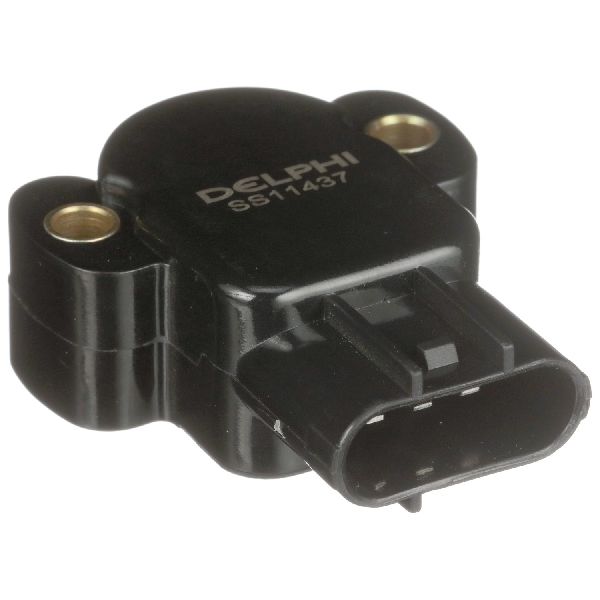
| OEM / Premium Aftermarket | Motorcraft, Delphi | Motorcraft is the original Ford part and the safest bet for guaranteed fit and performance. Delphi is a respected OEM supplier for many manufacturers and is generally considered a top-tier aftermarket choice, offering quality close to the original part. |
| Quality Mid-Grade | NGK, Standard Motor Products (SMP), Walker Products | NGK is well-known for quality ignition parts and their sensors are generally reliable. Standard Motor Products (SMP) has been a long-time aftermarket supplier with a reputation for quality parts, often considered a solid alternative to OEM. Walker Products is also a viable mid-grade option. |
| Economy / Budget | True Tech, Global Parts, Replacement | These brands fall into the budget category. While they offer significant cost savings, their long-term reliability and the precision of their sensor readings can be inconsistent. They may be a short-term solution, but for a critical sensor like the TPS, investing in a higher-tier brand is often recommended to avoid future issues. |
Pro Tip: For critical sensors, many experienced mechanics and Ranger owners recommend sticking with Motorcraft or a premium aftermarket brand like Delphi to ensure reliability and avoid chasing the same problem again in a few months.
Known Issues, Recalls, and TSBs
For the 2003-2012 Ford Ranger, there are no specific recalls or widespread Technical Service Bulletins (TSBs) directly targeting the throttle position sensor itself. However, there have been recalls for related systems. Notably, recall 09V399000 affected some 2001-2003 Rangers for a faulty speed control deactivation switch that could leak and pose a fire risk. Additionally, many Rangers in this year range were part of the massive Takata airbag recalls (like 21S12 and 15V322), which are unrelated to the TPS but important for owners to be aware of. While no TSBs point to a design flaw in the TPS, the symptoms of a failing sensor are well-documented in owner forums and repair guides.
Frequently Asked Questions (FAQ)
Is the Throttle Position Sensor the same for all 2003-2012 Rangers?
For the most part, yes. The replaceable, stand-alone TPS is used across the 2.3L, 3.0L, and 4.0L engines throughout this generation, as the Ranger did not use a fully electronic 'drive-by-wire' system. However, it's always critical to enter your vehicle's specific year and engine to ensure you get the exact part. Small variations in the connector or housing can exist.
Do I need to perform a 'relearn' procedure after replacing the TPS?
Yes, a simple relearn procedure is recommended. The easiest method is to disconnect the negative battery terminal for at least five minutes before installing the new sensor. After reconnecting the battery and starting the truck, the engine computer (PCM) will be forced to clear its 'Keep Alive Memory' (KAM) and relearn the new sensor's voltage for closed and open throttle. The idle may be slightly erratic for the first few minutes or start-up cycles as the computer adjusts.
Can I just clean my old TPS instead of replacing it?
No, cleaning the TPS is not an effective repair. The TPS is a sealed electronic component. Failure occurs internally when the electrical contacts wear out, creating dead spots in the voltage reading. While you should clean any carbon buildup from the throttle body bore while you have the sensor off, cleaning the sensor itself will not fix the underlying electrical problem.
What tools do I need to replace the Ranger's TPS?
This is a very simple job. You will typically only need a Phillips head screwdriver or a small T20 Torx socket (depending on the screws used) to remove the two mounting screws, and a wrench to disconnect the battery. The sensor is located on the side of the throttle body and is easily accessible.
Technical Specifications
OEM Part Numbers: F57Z9B989A F5RF9B989BA CX1544
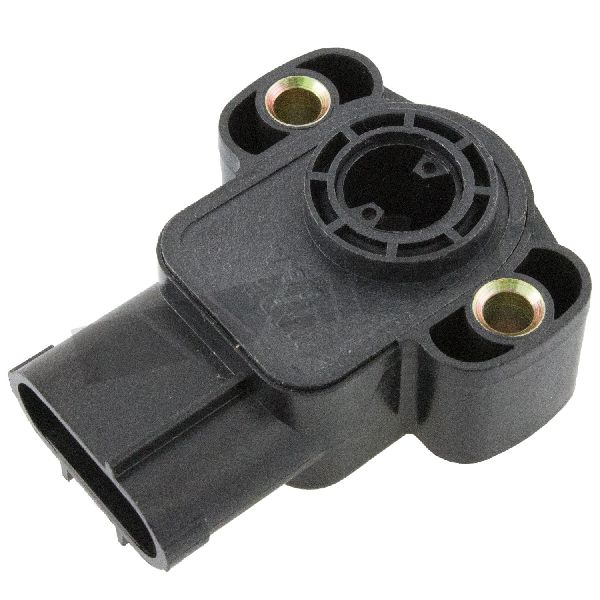
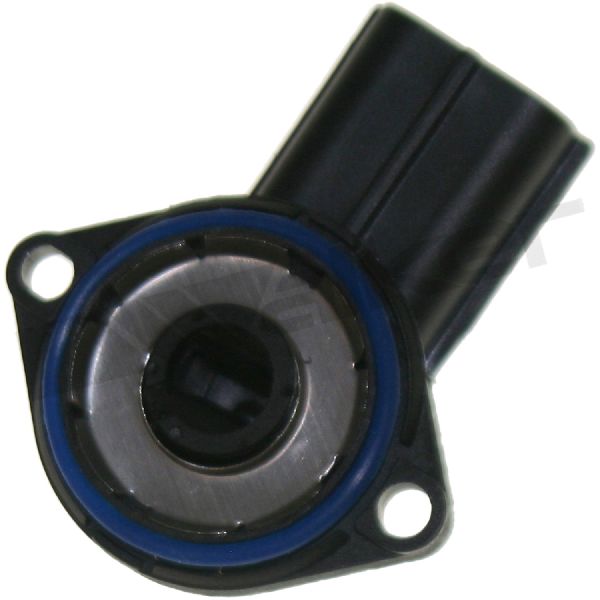
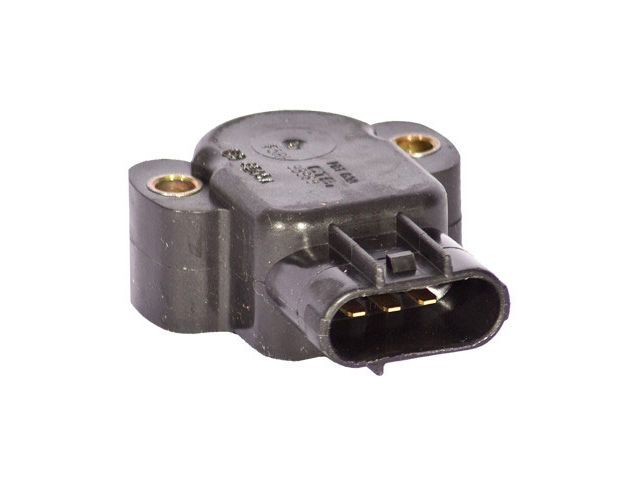
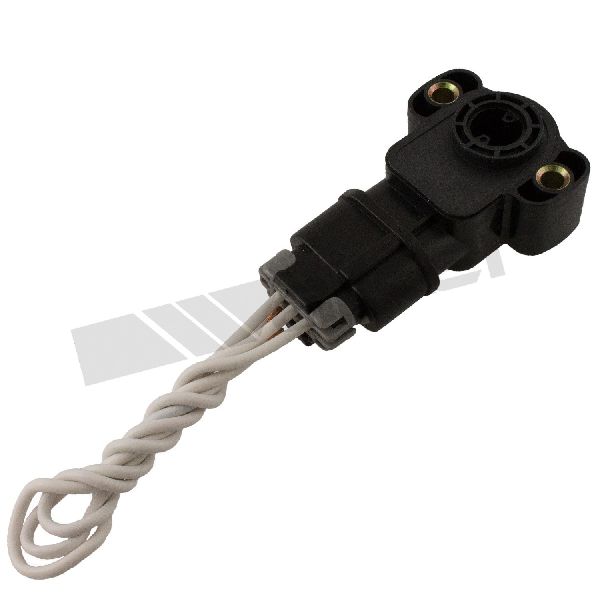
3-pin potentiometer sensor mounted to the side of the throttle body. It operates on a 5-volt reference signal from the PCM and sends back a variable voltage signal from approximately 0.5-1.0V at closed throttle to ~4.5V at wide-open throttle.
We Have This Part in Stock


The information in this article is provided for general reference and educational purposes only. Vehicle specifications, procedures, and part compatibility can vary by production date, trim level, and region. Always consult your vehicle's factory service manual and verify part numbers before purchasing or performing repairs. Safety-critical components such as airbags, seat belts, and braking systems should be installed by a qualified professional.
- Ford Ranger: