

Ford E-250 (2003-2014) ABS Wheel Speed Sensor Replacement Guide
Getting an ABS light on your dash? This guide covers everything you need to know about replacing the ABS sensors on your Ford van.
- The most common failure symptom is an illuminated ABS light on the dash.
- A scan tool that can read ABS codes is essential for diagnosing which sensor has failed.
- Check for NHTSA recall 04S22 on 2003-2004 models, which relates to the ABS module.
- Before replacing a sensor, inspect the sensor's tone ring for damage or rust, as this can also cause issues.
Symptoms of a Failing ABS Sensor
When an ABS sensor goes bad on your E-250, the most obvious sign is the ABS warning light illuminating on your dashboard. You won't lose your regular brakes, but the anti-lock function will be disabled. Here are the common symptoms:
- ABS Warning Light: The most common symptom is a steady ABS light on the instrument cluster.
- Traction Control Light: If your van has traction control, that light may also come on, and the system will be disabled.
- Pulsating Brake Pedal: You might feel the brake pedal pulsating at low speeds or during normal braking, not just during emergency stops.
- Brakes Locking Up: In slippery conditions or during a hard stop, your wheels may lock up since the ABS system isn't working to prevent it.
NHTSA Recall 04S22 / 04V444000
For 2003-2004 E-250 models, Ford issued a recall because a diode in the ABS module could short out. This could cause the ABS light to come on, or in rare cases, lead to overheating, smoke, or fire, even when the van is parked. The fix involved installing a new fuse and a heat shield. While this recall is old, it's worth checking if your van had this service performed.
Choosing the Right Aftermarket ABS Sensor
For a workhorse van like the E-250, reliability is key. You don't need to pay dealership prices for a quality sensor. Aftermarket brands offer a good balance of price and performance. Here’s a breakdown of available brands:
- Premium Brands (Delphi, Standard Ignition, NGK/NTK): These companies are often original equipment (OE) suppliers to automakers and have a strong reputation for quality electronics. They build sensors to match factory specifications for signal accuracy and durability. Choosing one of these brands is the closest you can get to OEM quality without the OEM price tag.
- Quality Aftermarket (Dorman, Holstein, Walker Products): These are well-known aftermarket brands. Dorman is known for making direct replacement parts that often include improvements over the original design. Holstein and Walker Products emphasize using high-quality materials and testing to ensure their sensors meet or exceed OE standards for fit and function.
- Value Brands (URO Parts, Skyward): Brands like URO Parts often focus on providing affordable alternatives, particularly for European vehicles, but they offer parts for domestic models as well. While often the most budget-friendly, quality can sometimes be inconsistent compared to premium brands. For a critical safety component, it's often worth spending a little more for a brand with a more established track record.
Pro Tip: Before ordering, check if your E-250 uses a sensor on the rear differential or individual sensors at each rear wheel. Also, inspect the toothed ring (tone ring) that the sensor reads. If the ring is damaged, cracked, or covered in rust and debris, a new sensor won't fix the problem. In some cases, the tone ring is built into the brake rotor or wheel hub.
| Part Type | Estimated Cost |
|---|---|
| New OEM (Motorcraft) | $132 - $163 |
| New Aftermarket | $22.18 - $131.73 |
| Shop Labor | $102 - $150 |
Frequently Asked Questions (FAQ)
Can I replace just one ABS sensor?
Yes. You only need to replace the sensor that has failed. A proper diagnostic scan tool is needed to read the ABS codes, which will tell you which specific wheel sensor is causing the problem (e.g., "Right Front Wheel Speed Sensor Circuit Failure"). Replacing sensors that aren't broken won't provide any benefit.
Is it hard to replace an E-250 ABS sensor myself?
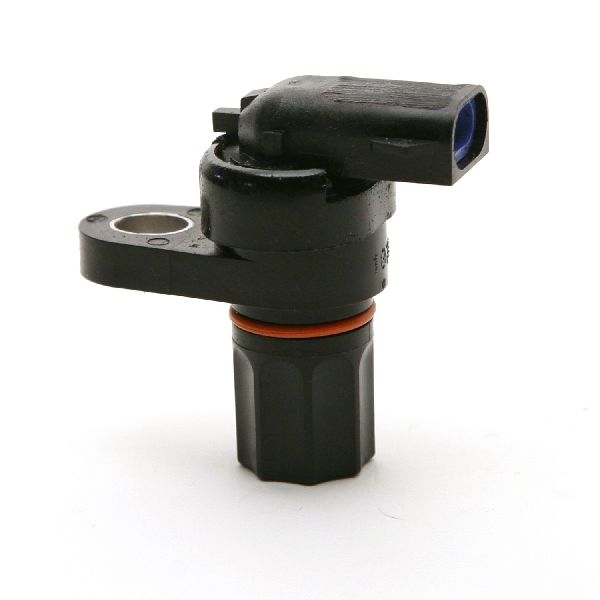
For most DIY mechanics, this is a straightforward job. The front sensors are located on the wheel hub/steering knuckle, and the rear sensor (if it only has one) is on top of the rear differential. It's typically held in by a single bolt. The main challenge can be rust, which can make removing the old sensor difficult. The electrical connector is usually found in the wheel well or along the frame rail.
What's the difference between a front and rear sensor?
Front sensors are located at each front wheel hub. Depending on the year and configuration, your E-250 may have a single sensor on the rear differential that measures the average speed of the rear wheels, or it may have individual sensors at each rear wheel. The parts are not interchangeable, so make sure you order the correct sensor for the specific location.
Do I need to reset the ABS light after replacing the sensor?
Often, the ABS light will turn off by itself after you drive the vehicle for a few miles and the computer confirms it's receiving a good signal from the new sensor. If it doesn't, the code may need to be cleared with a scan tool that can access the ABS module. Disconnecting the battery may also work, but it's not a guaranteed method.
Technical Specifications
Sensors vary by location (front left, front right, rear differential). Always verify the exact fitment for your van's year and drivetrain configuration before ordering. Some models use a single sensor on the rear differential, while others may have sensors at each wheel.
We Have This Part in Stock


The information in this article is provided for general reference and educational purposes only. Vehicle specifications, procedures, and part compatibility can vary by production date, trim level, and region. Always consult your vehicle's factory service manual and verify part numbers before purchasing or performing repairs. Safety-critical components such as airbags, seat belts, and braking systems should be installed by a qualified professional.
- Ford E-250: