

Ford E-250 Crankshaft Position Sensor Guide (2003-2014)
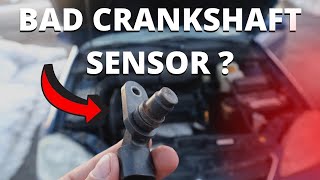
Having trouble with stalling or starting your Ford E-250? Your crankshaft position sensor might be the culprit.
- A failing sensor will cause stalling or a no-start condition, which can be a safety hazard.
- For V8 models, the sensor is behind the A/C compressor, which must be moved (but not disconnected) for access.
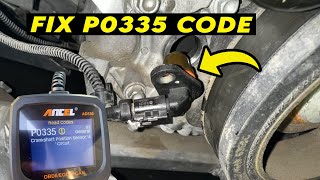
- The most common trouble code associated with this failure is P0335.
- Stick with reputable aftermarket brands like Delphi, Denso, or NGK for this critical component to ensure reliability.
Is Your Ford E-250 Stalling or Refusing to Start?
A failing crankshaft position sensor is a common problem that can leave you stranded. This sensor is vital for engine operation, and when it starts to go bad, it can cause a range of frustrating issues. Symptoms often start intermittently but will get worse over time, eventually leading to a no-start situation. Understanding the signs of failure and knowing which replacement part to choose can save you time and money.
Symptoms of a Failing Crankshaft Position Sensor

If the crankshaft sensor on your E-250 is failing, you'll likely notice one or more of these issues:
- Engine Won't Start: The engine will crank over but won't fire up. This is because the PCM doesn't have the crankshaft signal it needs to activate the fuel injectors and ignition coils.
- Intermittent Stalling: The engine may shut off unexpectedly while you're driving or idling. This is a serious safety concern.
- Rough Idle and Misfires: Your van may shake or vibrate when stopped, and you might feel the engine misfiring because the timing is off.
- Poor Acceleration: The van may feel sluggish and lack power because the PCM can't optimize engine timing.
- Check Engine Light: A failing sensor will often trigger the Check Engine Light and store a diagnostic trouble code, most commonly P0335. 🎬 See this guide on diagnosing P0335 trouble codes
Known Issues & Recalls
While extensive searches of the NHTSA database did not reveal any specific recalls for the crankshaft position sensor itself on the 2003-2014 Ford E-250, it's always a good practice to check for any open recalls on your specific vehicle using your VIN. Some Ford trouble codes like P0335 can sometimes be caused by related issues, such as wiring problems or even a faulty PCM, so a proper diagnosis is key.
Choosing the Right Aftermarket Sensor

You don't have to buy an expensive OEM part from the dealer. Many aftermarket brands offer quality replacements that meet or exceed original specifications. Here’s a breakdown of available brands to help you choose:
- Premium Aftermarket (OEM-Quality): Brands like Delphi, Denso, and NGK/NTK are often original equipment suppliers to many automakers. They are known for their robust engineering, high-quality materials, and reliability, making them a top choice for this critical sensor.
- Trusted Aftermarket: Brands like Standard Ignition (SMP) and Hitachi have a long-standing reputation for producing dependable engine management components. They offer a great balance of quality and value.
- Value-Oriented Options: Brands like Dorman and Walker Products provide a more budget-friendly alternative. While often reliable, some professional mechanics prefer to stick with premium brands for critical sensors like the crankshaft position sensor to avoid potential premature failures.
Pro Tip: Inspect the Connector
Before installing your new sensor, take a moment to inspect the wiring harness connector. Look for any signs of corrosion, oil contamination, or damaged wires. A bad connection can mimic the symptoms of a failed sensor. Clean the connector with electrical contact cleaner if needed.
Typical Replacement Costs
The cost to replace the crankshaft position sensor on a Ford E-250 can vary depending on your engine and whether you do the work yourself.
| Part/Service | Estimated Cost |
|---|---|
| New Aftermarket Sensor | $21 - $49 |
| New OEM (Motorcraft) Sensor | $41 - $88 |
| Shop Labor | $61 - $90 |
| Total Professional Replacement | $102 - $164 |
Frequently Asked Questions (FAQ)

Where is the crankshaft position sensor located on a 2003-2014 Ford E-250?
For the common 4.6L and 5.4L V8 engines, the crankshaft position sensor is located on the lower passenger side of the engine, near the front timing chain cover and behind the A/C compressor. For V10 or diesel models, the location may vary slightly but is always near the main crankshaft pulley/harmonic balancer.
Can I replace this sensor myself?
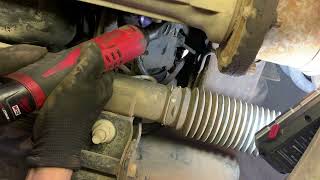
Yes, this is a DIY-feasible job for someone with moderate mechanical skill. For V8 models, the main challenge is access, as you may need to move the A/C compressor out of the way to reach the sensor. You do NOT need to disconnect the A/C lines. After unbolting the compressor and supporting it, you can access the single bolt holding the sensor. The job typically takes about an hour.
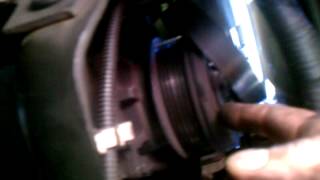
🎬 Watch: Step-by-step crankshaft sensor replacement walkthroughWhat happens if I don't replace a bad crankshaft sensor?
Ignoring a failing crankshaft sensor will lead to worsening symptoms. You'll experience more frequent stalling, rough running, poor fuel economy, and eventually, the van will not start at all. Sudden stalling while driving is a significant safety hazard.
Why do crankshaft position sensors fail?
Failure is usually due to age and exposure to extreme engine heat, which can degrade the sensor's internal electronics and magnet over time. Vibration, oil leaks, and moisture can also damage the sensor or its wiring.
Helpful Videos
Technical Specifications
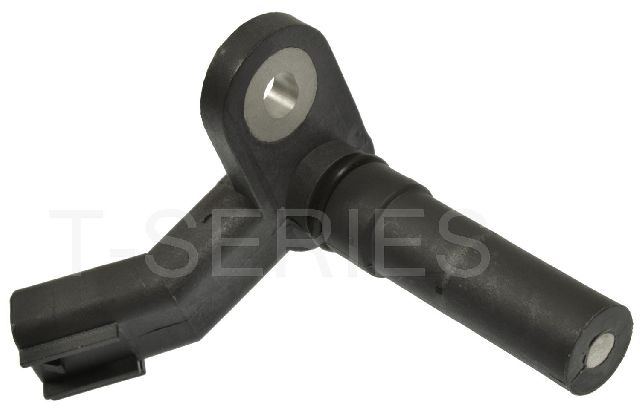
OEM Part Numbers: 1W7Z-6C315-AB 3C3Z-6C315-AA AL3Z-6C315-A F1AZ6C315A DY-922
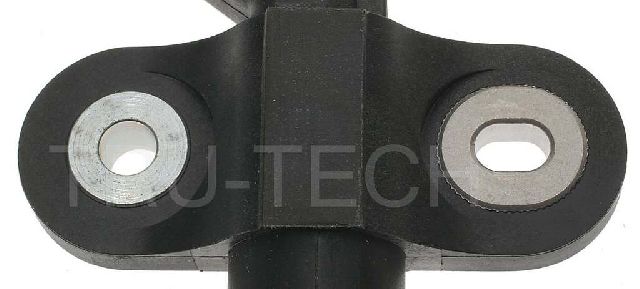
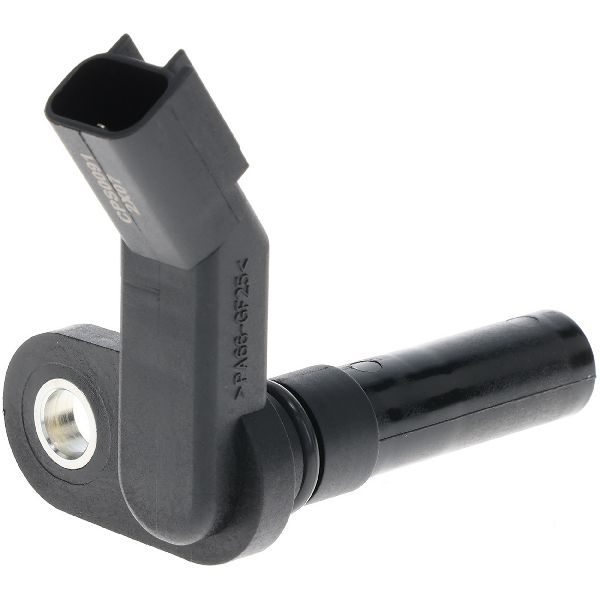
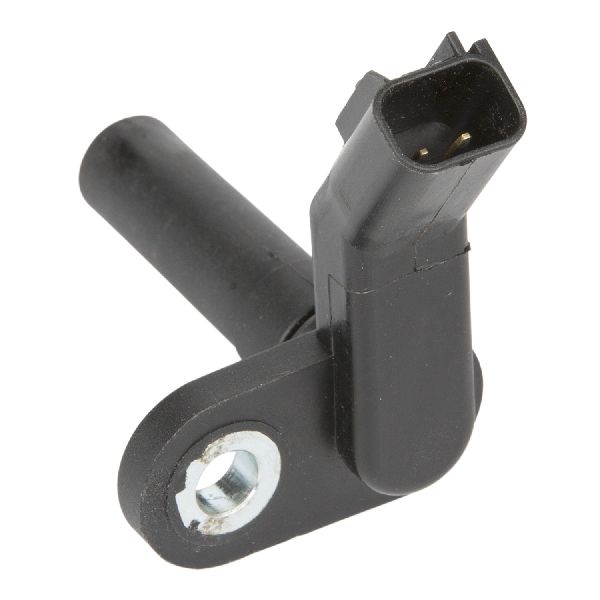
Typically a 2-terminal, blade-style magnetic sensor that generates a signal as the crankshaft reluctor wheel rotates past it.
We Have This Part in Stock


The information in this article is provided for general reference and educational purposes only. Vehicle specifications, procedures, and part compatibility can vary by production date, trim level, and region. Always consult your vehicle's factory service manual and verify part numbers before purchasing or performing repairs. Safety-critical components such as airbags, seat belts, and braking systems should be installed by a qualified professional.
- Ford E-250: