

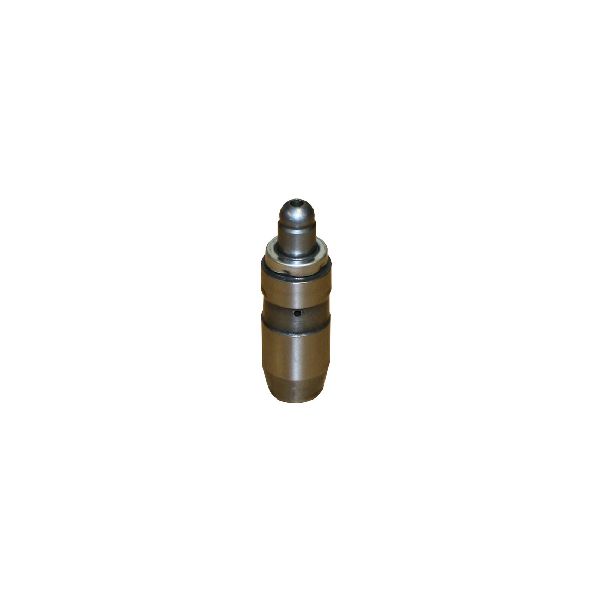
Ford E-250 Engine Valve Lifter Guide (2003-2014)
A guide to understanding and fixing the common engine ticking noise in your 2003-2014 Ford E-250 van.
- The ticking noise in your E-250 is most likely a failed hydraulic lash adjuster, but rule out exhaust leaks first.
- Your 2003-2014 E-250 has a 2-valve engine; parts for the 3-valve F-150 engine will not fit.
- Using the correct 5W-20 oil and changing it regularly is the best way to prevent lifter failure.
- For a lasting repair, choose reputable aftermarket brands like Melling or Sealed Power over cheaper alternatives.
Is Your E-250 Engine Ticking?
A ticking or tapping sound from the engine is a frequent complaint for owners of the 2003-2014 Ford E-250. 🎬 Watch: Common problems to look for on your E-250 This noise, often most noticeable from the wheel wells, commonly points to a problem in the valvetrain. The usual culprits are the hydraulic lash adjusters, which can collapse or fail to hold oil pressure. This failure creates a gap in the valvetrain, resulting in a distinct 'tick' every time the cam lobe rotates. The noise might be present only when the engine is cold, appear after it warms up, or be constant.
First, Rule Out Other Issues
Before you decide to replace the lifters, check for two other common sources of ticking noises on these vans. A cracked exhaust manifold or a broken manifold-to-head stud can create an exhaust leak that sounds very similar to a lifter tick, especially when the engine is cold. Also, a loose spark plug can sometimes cause a ticking or popping sound. Investigating these first can save you from a costly and unnecessary repair.
🎬 See how to diagnose and repair a 5.4L engine tickChoosing the Right Aftermarket Lifters
The Ford E-250s in this year range almost exclusively use the reliable 2-valve (2V) version of the 4.6L and 5.4L V8 engines, not the more complex 3-valve (3V) engine found in many F-150s. This is good news, as the 2V valvetrain is simpler. When choosing aftermarket lifters, quality matters for a long-lasting, quiet repair.
Brand Quality Tiers
- Tier 1 (OEM Quality): Brands like Melling and Sealed Power (a Federal-Mogul brand) are well-regarded in the industry and often manufacture parts for the original automakers. They are known for quality materials and engineering, making them a reliable choice for a quiet, long-term repair. Many professional mechanics and experienced owners recommend sticking with these brands.
- Tier 2 (Budget-Friendly): Brands like DNJ Engine Components, CRP, and DJ Rock are typically more affordable. While they can provide a functional replacement, they are often seen as importer or reseller brands. For a component that requires significant labor to replace, investing in a higher-quality part from Tier 1 is often recommended to avoid doing the job twice.
Pro Tip: Oil is Everything
The life of your new lifters depends on clean, correct-viscosity oil. These modular engines were designed for 5W-20 oil to ensure it can flow into the small passages of the hydraulic lash adjusters. Always use a quality oil and filter, and maintain regular oil change intervals. Low oil levels or dirty oil are the primary causes of lifter failure.
Frequently Asked Questions
What are the parts actually called if not lifters?
In your E-250's overhead cam engine, the components are a 'hydraulic lash adjuster' and a 'roller follower' (or cam follower). However, most parts stores will know what you mean when you ask for valve lifters.
Can I replace just the one bad lifter?
While you can replace a single failed lifter, it is highly recommended to replace all of them on the affected cylinder head bank at the same time. The labor to access them is the same, and if one has failed due to age or wear, the others are likely not far behind.
Do new lifters need to be soaked in oil?
This is a topic of debate. While some mechanics soak them overnight, others install them dry and allow the engine's oil pressure to prime them. The most important thing is to apply assembly lube to all contact surfaces (cam lobes, roller followers) during installation to prevent wear during the initial startup.
Why is my engine still ticking after replacing the lifters?
There are a few possibilities. The new lifters may need some time to fully prime with oil, which can take several minutes of runtime. You may have misdiagnosed the original problem, and the noise is actually an exhaust leak. Or, there could be an oil pressure issue preventing the lifters from pumping up, possibly due to a worn oil pump or blocked oil passages.
Helpful Videos
Technical Specifications
OEM Part Numbers: F6DZ-6C501-A 5L1Z-6500-A
Fits 4.6L SOHC 2-Valve and 5.4L SOHC 2-Valve Triton engines. The system consists of one hydraulic lash adjuster and one roller follower per valve.
We Have This Part in Stock


The information in this article is provided for general reference and educational purposes only. Vehicle specifications, procedures, and part compatibility can vary by production date, trim level, and region. Always consult your vehicle's factory service manual and verify part numbers before purchasing or performing repairs. Safety-critical components such as airbags, seat belts, and braking systems should be installed by a qualified professional.
- Ford E-250: