

Ford E-250 (2003-2014) HVAC Heater Hose Replacement and Diagnosis
Losing cabin heat or smelling coolant in your Ford van? Your HVAC heater hose could be the problem.
- Symptoms include coolant leaks, a sweet smell, and loss of cabin heat; address them immediately to avoid engine overheating.
- Access is tight in the E-250 engine bay; removing the air filter housing can make the job much easier.
- Always choose a molded hose from a reputable aftermarket brand like Gates, Dayco, or Continental for a proper fit.
- It is best practice to replace heater hoses in pairs and to install new clamps with the new hoses.
Is Your E-250 Heater Hose Failing?
Heater hoses on the 2003-2014 Ford E-250 live in a tough environment. Tucked into a tight engine compartment, they are exposed to high heat and constant pressure. Over time, the rubber breaks down. A failing hose can start as a minor annoyance and quickly become a serious problem that leaves you stranded. Look for these common signs of failure.
Key Symptoms of a Bad Heater Hose
- Coolant Puddles: Finding a puddle of green, orange, or yellow fluid under the front of your van is a classic sign of a coolant leak. The leak may drip from the hose itself or run down other parts, making it tricky to pinpoint.
- Sweet Smell: If you notice a sweet, syrup-like smell inside or outside the cabin, you are smelling antifreeze. This means coolant is leaking somewhere in the system.
- Visible Hose Damage: Pop the engine cover (the "doghouse") and inspect the hoses running toward the firewall on the passenger side. Look for cracks, splits, bulges, or soft, spongy spots. Hoses that feel rock-hard are also brittle and ready to fail.
- No Cabin Heat: If a hose is leaking, the coolant level can drop too low to circulate through the heater core, leaving you with cold air blowing from the vents.
- Engine Overheating: This is the most serious symptom. A significant leak will cause a rapid loss of coolant, leading to engine overheating. If your temperature gauge spikes, pull over immediately to prevent catastrophic engine damage.
Known Issues and Technical Bulletins
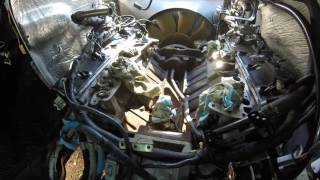
While there are no specific recalls for the heater hoses on this vehicle, Ford has issued Technical Service Bulletins (TSBs) for related issues. TSB 10-7-5 details a flushing procedure that involves the heater hoses. Another TSB for F-150s (14-0103) notes that a heater hose could rub against the intake manifold, causing a leak. Given the similar 🎬 Watch: Identifying coolant leaks near the intake manifold. engine architecture, it's wise to check for any hose contact with sharp or vibrating engine parts in your E-250.
Choosing the Right Aftermarket Heater Hose
For a vehicle like the 2003-2014 E-250, you don't need to hunt down an expensive OEM part from a dealer. Modern aftermarket hoses from reputable brands offer excellent quality, often meeting or exceeding the original specifications thanks to advances in rubber technology. The key is to choose a well-known brand and avoid generic, no-name parts.
Brand Quality Tiers
- Premium (Gates): Gates is widely considered a top-tier aftermarket brand for hoses and belts. They are known for excellent fitment and using quality EPDM rubber that resists electrochemical degradation, a leading cause of hose failure. If you want peace of mind and a part that fits right the first time, Gates is a strong choice.
- Reliable (Dayco, Continental): Dayco and Continental are also excellent, well-respected brands that produce high-quality hoses. Dayco hoses are noted by some to be slightly thicker, providing a sturdy feel. Continental (often sold as ContiTech) is another OEM supplier with a strong reputation. You can be confident installing a hose from either of these brands.
Estimated Costs for Heater Hose Replacement
| Item | Estimated Cost |
|---|---|
| New Aftermarket Part | $43.91 - $124.23 |
| New OEM (Motorcraft) Part | $70 - $160 |
| Shop Labor | $250 - $450 |
| Total Professional Replacement | $300 - $600+ |
Note: Costs are estimates and will vary based on your location, the specific hose needed, and local labor rates.
Frequently Asked Questions
How difficult is it to replace a heater hose on a 2003-2014 E-250?
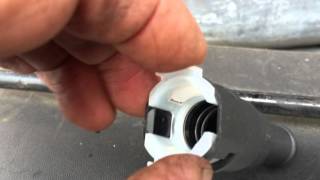
For a DIYer with some experience, it's a moderately difficult job. The main challenge is the tight access to the hoses in the engine compartment. Removing the air filter housing provides more room to work. The quick-connect fittings at the firewall can also be tricky to release without the proper technique or tool.
🎬 Watch: How to release Ford heater hose quick-connect fittings.Are there any recalls on the heater hoses?
No. A search of the National Highway Traffic Safety Administration (NHTSA) database shows no safety recalls for HVAC heater hoses on the 2003-2014 Ford E-250. Any failures are due to the age and wear of the part.
Should I replace both heater hoses at the same time?
Yes, it is highly recommended. Heater hoses are made of the same material and have been exposed to the same conditions for the same amount of time. If one has failed, the other is likely not far behind. Replacing them in pairs saves you from having to do the same job twice in the near future.
What's the difference between an inlet and outlet hose?
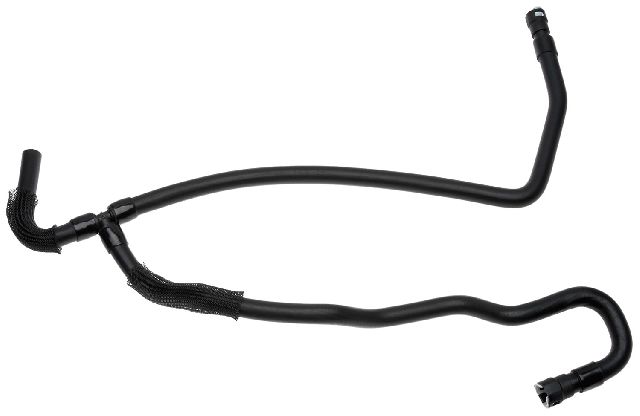
The inlet hose carries hot coolant from the engine to the heater core, while the outlet hose returns the slightly cooler fluid back to the engine. They are often different shapes and sizes and are not interchangeable. Ensure you are ordering the correct hose for the position you are replacing.
Helpful Videos
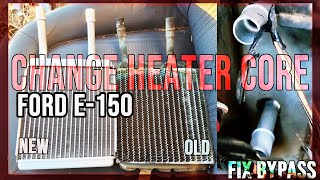
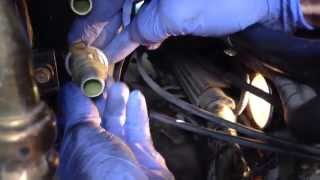
Technical Specifications
OEM Part Numbers: F75Z8555AB Motorcraft KH-294 Motorcraft KT-160
Hoses are vehicle and engine-specific (4.6L V8, 5.4L V8, etc.). Most are made from EPDM rubber to resist heat and electrochemical degradation and meet SAE 20R3 standards.
We Have This Part in Stock

The information in this article is provided for general reference and educational purposes only. Vehicle specifications, procedures, and part compatibility can vary by production date, trim level, and region. Always consult your vehicle's factory service manual and verify part numbers before purchasing or performing repairs. Safety-critical components such as airbags, seat belts, and braking systems should be installed by a qualified professional.
- Ford E-250: