

Ford Mustang Engine Oil Pressure Switch Guide: 2003-2014
Erratic oil gauge or a flickering light on your Mustang's dash? Your oil pressure switch might be the problem.
- A flickering oil light or erratic gauge is the most common sign of failure, and it's often the switch, not the engine's oil pressure.
- The gauge on most 2003-2014 Mustangs is a 'dummy' gauge; it doesn't show real-time pressure changes.
- Replacement is a simple DIY job for most owners, requiring basic tools and about 30 minutes.
- For reliability, using the OEM Motorcraft brand part is highly recommended by experienced owners.
Is Your Mustang's Oil Pressure Gauge Lying?
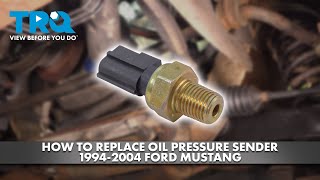
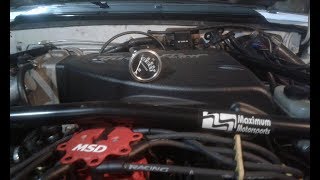
🎬 Watch: Step-by-step replacement for 1994-2004 Mustang models.If the oil pressure gauge on your 2003-2014 Mustang is bouncing around, reading zero on startup, or stuck in one position, a faulty oil pressure switch is the most likely culprit. For most of these models, the factory gauge isn't a true, real-time pressure meter. It's designed to show 'normal' as long as the pressure is above a minimum safe level. When the switch starts to fail, it sends bad information, causing these confusing readings on your dash even when your actual oil pressure is perfectly fine. Another common failure is the switch itself leaking oil.
Symptoms of a Failing Oil Pressure Switch
- Flickering or Constant Oil Warning Light: The most common sign is the oil pressure light turning on, either steadily or intermittently.
- Incorrect Gauge Reading: The gauge may read zero, max out, or bounce around erratically. On many Mustangs, a failing switch causes the gauge to read low, near the 'N' in 'NORMAL'.
- Visible Oil Leak: The switch itself can develop leaks, leaving oil residue on the sensor or dripping underneath the car. The plastic and seals can degrade over time from heat and oil exposure.
- Check Engine Light: In some cases, a failing switch can trigger a Check Engine Light with codes like P0520, P0521, P0522, or P0523.
Choosing the Right Aftermarket Switch
When replacing the oil pressure switch, you have a few options. For a simple but critical part like this, quality matters. Going too cheap can mean you'll be replacing it again soon.
| Brand Tier | Brands | Our Analysis |
|---|---|---|
| OEM / Premium | Motorcraft | Motorcraft is Ford's own brand and the original equipment manufacturer (OEM). It's the benchmark for quality, fit, and performance. For critical sensors, many Ford owners and mechanics recommend sticking with Motorcraft to avoid issues. You can be confident it will perform like the original part. |
| Quality Aftermarket | Standard Ignition (SMP) | Standard Motor Products is a well-respected aftermarket manufacturer. While generally considered a quality alternative to OEM, some user forums report mixed experiences, with some parts failing prematurely compared to Motorcraft. It's often a good balance of price and quality, but for this specific part on a Ford, OEM is often preferred. |
| Economy | True Tech | Economy brands offer the lowest price point. However, for a sensor that protects your engine, this can be a risky choice. These parts may have a shorter lifespan or less reliable performance. Choosing an economy brand might save money upfront but could lead to repeat repairs. |
Pro Tip: Many experienced Mustang owners recommend using only a Motorcraft sensor for this repair. While it may cost a few dollars more, its reliability often prevents the headache of a premature failure and doing the job twice. Some have reported issues with counterfeit parts from online marketplaces, so be sure to buy from a reputable source.
Known Issues, Recalls, and TSBs
For the 2003-2014 Ford Mustang, there are no specific recalls or Technical Service Bulletins (TSBs) directly for the engine oil pressure switch itself. However, there have been recalls for other Ford models related to oil pressure system components, like oil pump belts, that can cause a loss of oil pressure. A faulty switch is a very common, well-documented issue among owners in online forums, but it has not prompted an official recall.
Frequently Asked Questions
Where is the oil pressure switch located on my 2003-2014 Mustang?
The oil pressure switch is typically located on the engine block, near the oil filter. On V6 and V8 models of this era, you can usually find it by looking between the power steering pump and the water pump, or just above the oil filter housing. It will have a single wire connector attached to it.
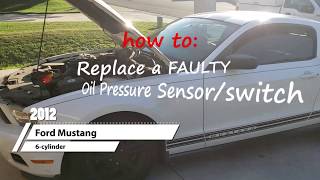
🎬 Watch: How to locate and replace the sensor on a 2012 Mustang.Can I drive my Mustang with a bad oil pressure switch?
It's risky. If the switch is just causing a faulty gauge reading but you are 100% sure the engine has proper oil pressure, you can drive carefully for a short time. However, if the oil light is on, you should stop immediately and check your oil level. Driving with low oil pressure can destroy your engine. Since the switch is your only warning, driving with a broken one means you're flying blind.
Is replacing the oil pressure switch a difficult DIY job?
No, for most people it's a relatively easy job. It usually involves unplugging the electrical connector, using a special deep socket (often 1 1/16 inch) or wrench to unscrew the old switch, and then installing the new one. Some oil will spill out, so have a rag and oil pan ready. Access can be tight depending on the specific engine.
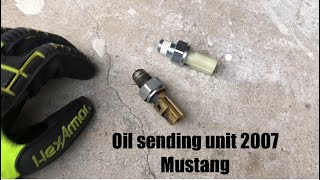
🎬 See this walkthrough for replacing the switch on V6 Mustangs.Does my Mustang have an oil pressure 'switch' or a 'sender'?
For most non-Performance Pack 2003-2014 Mustangs, it's a 'switch'. A switch is a simple on/off device that triggers the light or makes the gauge read 'normal'. A 'sender' or 'sensor' provides a variable reading that moves the gauge needle across a full range of pressures. Some later Performance Pack models came with a true sender. It's important to order the correct part for your vehicle's configuration.
Helpful Videos
Technical Specifications
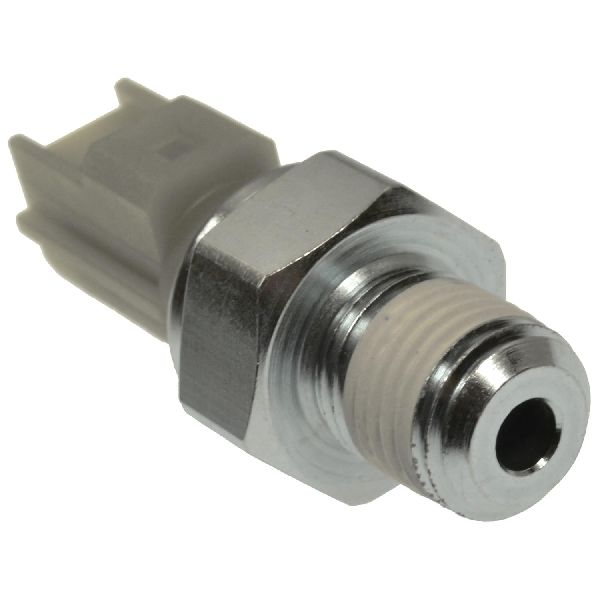
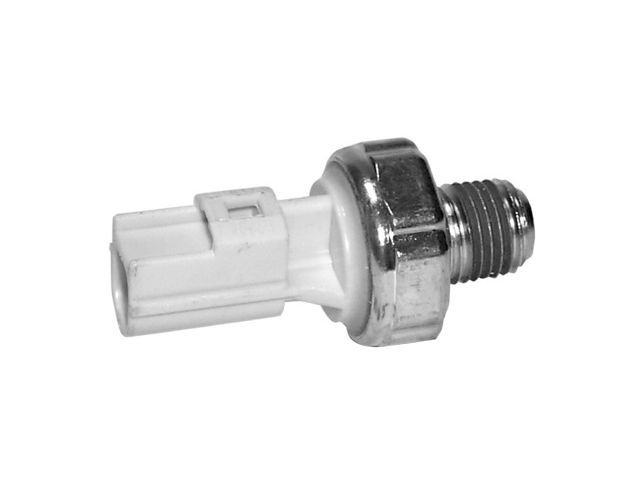
OEM Part Numbers: GC3Z-9278-B 6U5Z-9278-D SW-6357 F8AZ-9278-DA
Typically a single-pin electrical connection with a 1/4" NPTF thread pitch. A 1 1/16 inch deep socket is often required for removal and installation.
We Have This Part in Stock


The information in this article is provided for general reference and educational purposes only. Vehicle specifications, procedures, and part compatibility can vary by production date, trim level, and region. Always consult your vehicle's factory service manual and verify part numbers before purchasing or performing repairs. Safety-critical components such as airbags, seat belts, and braking systems should be installed by a qualified professional.
- Ford Mustang: