

Honda Pilot Manifold Absolute Pressure (MAP) Sensor Guide for 2003-2017 Models
Understand the symptoms of a failing MAP sensor and learn how to choose the right replacement for your Pilot's V6 engine.
- A bad MAP sensor on a Pilot commonly causes poor fuel economy, rough idle, and hesitation, often triggering check engine light codes P0107 or P0108.
- Replacement is very easy, requiring only a screwdriver and about 15 minutes, making it an excellent DIY task.
- For best results and reliability, choosing an OEM-supplier brand like Denso is highly recommended for this specific electronic part.
- Ignoring a failing MAP sensor can lead to more expensive damage, such as to the catalytic converter, over time.
Symptoms of a Bad MAP Sensor in a Honda Pilot

When a MAP sensor starts to fail, it sends incorrect information to the engine's computer. This can cause a variety of noticeable problems. The most common sign is the check engine light turning on. You might also experience a rough or shaky idle, poor fuel economy, and a general lack of engine power or hesitation when you accelerate. In some cases, you may see black smoke from the exhaust, which indicates a rich fuel mixture (too much fuel). These issues occur because the computer can no longer accurately control the air-fuel ratio.
Check Engine Light Codes: P0107 and P0108
A failing MAP sensor will almost always trigger a diagnostic trouble code (DTC). The most common codes for this issue on a Honda Pilot are P0107 (MAP/Barometric Pressure Circuit Low Input) and P0108 (MAP/Barometric Pressure Circuit High Input). If you see one of these codes, the MAP sensor is the most likely culprit.
🎬 Watch: How to test and replace a sensor with these codes.Choosing an Aftermarket MAP Sensor

When replacing the MAP sensor on your Pilot, you have a choice between original equipment (OEM) and aftermarket parts. For many Honda sensors, sticking close to the original quality is important for long-term reliability.
- OEM Supplier (Top Tier): Denso is the original equipment manufacturer for many Honda parts, including sensors. Choosing a Denso-branded aftermarket sensor is the closest you can get to the original part's quality and is highly recommended for fit and performance. NGK (under their NTK brand) is another top-tier supplier known for excellent sensor quality.
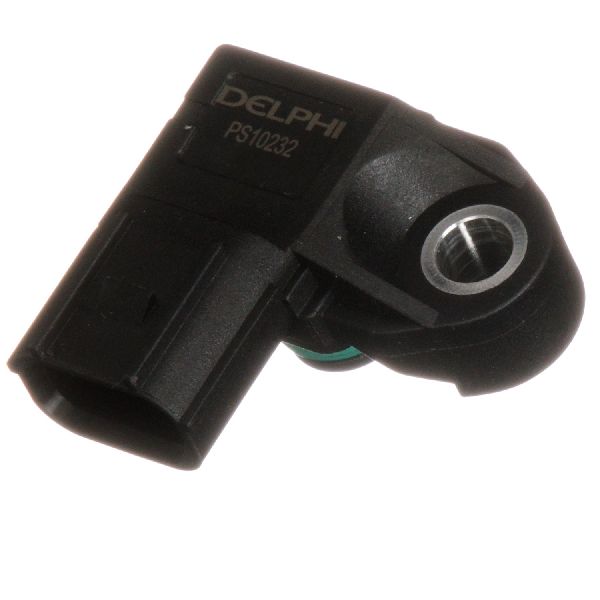
- Quality Aftermarket (Mid Tier): Brands like Standard Ignition (SMP), Delphi, and Holstein offer reliable aftermarket sensors that are a good balance of quality and price. They are engineered to meet or exceed OEM specifications and are a solid choice for most repairs.
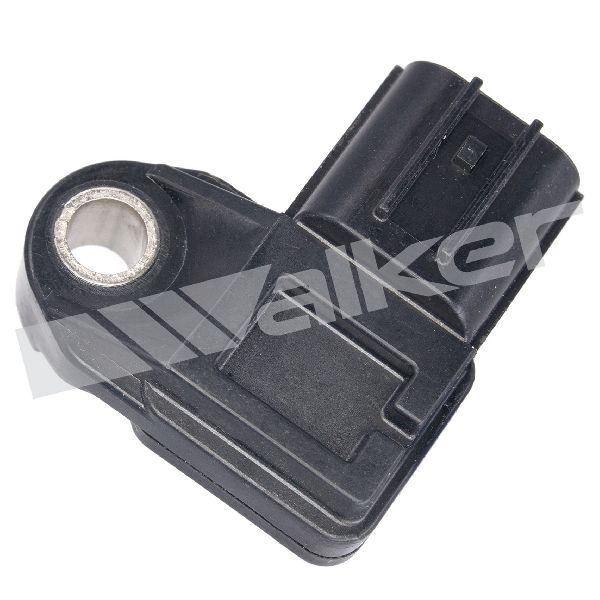
- Value Brands (Economy Tier): Walker Products and other budget-friendly brands provide a low-cost alternative. While functional, some owner experiences suggest they may not have the same long-term durability or precise calibration as OEM or top-tier aftermarket brands.
Pro Tip: OEM is Often Best for Sensors
While aftermarket parts can save money, electronic sensors are one area where using an OEM or OEM-supplier part like Denso is often worth the extra cost. This helps avoid potential performance issues or the need for another replacement sooner than expected.
Cost of Replacing a Honda Pilot MAP Sensor
Replacing the MAP sensor is one of the more affordable repairs you can perform. The part itself is not very expensive, and the labor is minimal due to its easy accessibility.
| Part Type | Estimated Cost |
|---|---|
| New Aftermarket | $25 - $116 |
| New OEM (Genuine Honda) | $70 - $145 |
| Shop Labor | $50 - $100 |
Installation Overview

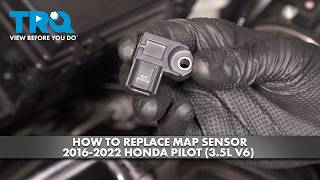
Replacing the MAP sensor on a 2003-2017 Honda Pilot is a straightforward job that most DIYers can complete in under 30 minutes with basic tools. The sensor is located directly on top of the throttle body or intake manifold, making it very easy to access. The process involves disconnecting the electrical connector, removing a single Phillips head screw or an 8mm bolt, and carefully twisting the old sensor out. When installing the new sensor, it's a good idea to apply a small amount of clean engine oil to the new O-ring to ensure it seals properly without pinching.
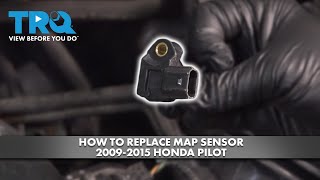
🎬 Watch: Step-by-step MAP sensor replacement for 2009-2015 Honda Pilots.Frequently Asked Questions (FAQ)

Where is the MAP sensor located on my Honda Pilot?
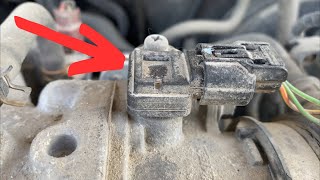
For the 2003-2017 model years, the MAP sensor is located on top of the engine's throttle body, which is part of the air intake system. It is a small black plastic sensor held in place by one screw and has an electrical connector attached.
🎬 See this location and replacement walkthrough for 2003-2008 models.Can I clean my MAP sensor instead of replacing it?
Some owners attempt to clean the sensor using a dedicated Mass Airflow (MAF) sensor cleaner. While this can sometimes resolve minor issues caused by contamination, it is often a temporary fix. If the sensor's internal electronics are failing, cleaning will not help, and replacement is the only solution.
Are there any recalls for the Honda Pilot MAP sensor?
A search of the National Highway Traffic Safety Administration (NHTSA) database shows no specific recalls for the Manifold Absolute Pressure sensor on 2003-2017 Honda Pilot models. Other recalls exist for these model years, but they do not pertain to the MAP sensor itself.
What happens if I don't replace a bad MAP sensor?
Driving with a faulty MAP sensor can lead to long-term problems. Persistently running too rich (too much fuel) can damage your catalytic converter, which is an expensive repair. Consistently poor engine performance, bad fuel economy, and stalling can also create unsafe driving conditions.
Helpful Videos

Technical Specifications
OEM Part Numbers: 37830-PGK-A01 37830-PNC-003 37830-RNA-A01
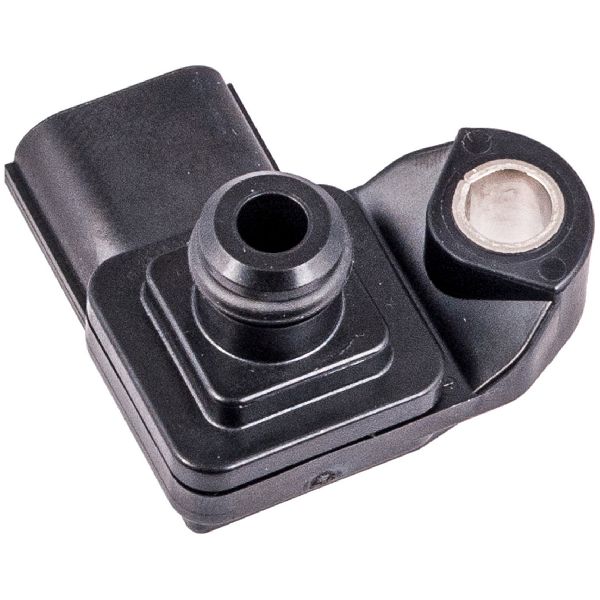
The MAP sensor for the Honda Pilot is a 3-wire sensor that typically operates on a 5-volt reference signal from the ECU. It mounts directly to the intake manifold or throttle body with a single screw and is sealed with a rubber O-ring.
We Have This Part in Stock


The information in this article is provided for general reference and educational purposes only. Vehicle specifications, procedures, and part compatibility can vary by production date, trim level, and region. Always consult your vehicle's factory service manual and verify part numbers before purchasing or performing repairs. Safety-critical components such as airbags, seat belts, and braking systems should be installed by a qualified professional.
- Honda Pilot:
- 🎬 Helpful Videos
- 🛍️ Shop This Part
- Symptoms of a Bad MAP Sensor in a Honda Pilot
- Check Engine Light Codes: P0107 and P0108
- Choosing an Aftermarket MAP Sensor
- Pro Tip: OEM is Often Best for Sensors
- Cost of Replacing a Honda Pilot MAP Sensor
- Installation Overview
- Frequently Asked Questions (FAQ)
- 🎟️ Get 5% Off