

Essential Guide to the 2003-2017 Jaguar XJR Disc Brake Hardware Kit
Stop brake rattles and ensure peak performance from your XJR's powerful braking system by replacing these small but crucial parts.
- Always replace your disc brake hardware kit when changing brake pads and rotors to prevent noise and ensure proper function.
- A rattling noise from the wheels that disappears with light brake application is the most common sign of worn brake hardware on an XJR.
- For best results and longevity, choose an aftermarket kit that uses stainless steel components, such as those from Raybestos or Dynamic Friction.
- Properly cleaning and lubricating all contact points and guide pins during installation is just as important as the new hardware itself.
Why Your XJR's Brake Hardware Matters
When performing a brake job on your 2003-2017 Jaguar XJR, the focus is usually on the pads and rotors. However, the disc brake hardware kit is just as important for the system's overall performance and quiet operation. Over time, the metal clips and springs are exposed to thousands of heat cycles and road grime. This causes them to lose their tension, corrode, and wear out. Reusing old hardware is a common mistake that often leads to brake noise and premature pad wear.
Symptoms of Failing Brake Hardware
Bad brake hardware often mimics other brake problems, but there are a few key signs to look for:
- Rattling or Clunking Noise: The most common symptom is a metallic rattle from the wheels when driving over bumps or uneven roads. This noise will typically disappear the moment you apply light pressure to the brake pedal, as the pressure temporarily secures the loose pads.
- Squealing or Scraping: Weak or improperly installed hardware can cause a brake pad to sit at a slight angle, leading to a persistent squeal or light scraping sound as it drags on the rotor.
- Uneven Brake Pad Wear: If you inspect your pads and find that the inner pad is significantly more worn than the outer pad (or vice versa), it's often due to guide pins or clips that are binding and not allowing the caliper and pads to move correctly.
Vehicle-Specific Issue: 2004 Brake Pipe Corrosion
While not related to the hardware kit itself, owners of 2004 XJ models should be aware of a safety recall (NHTSA Campaign ID: 09V144000, Jaguar Recall J012). This recall addresses brake pipes that could corrode due to a moisture-trapping pad, potentially leading to a loss of braking performance. It is wise to have a dealer check if this recall was performed on your vehicle.
Choosing the Right Aftermarket Hardware Kit
Not all aftermarket hardware kits are created equal. For a premium vehicle like the Jaguar XJR, the quality of the materials makes a significant difference. The brands available can be grouped into tiers based on material quality and reputation.
Pro Tip: Stainless Steel vs. Plated Steel
The biggest difference in quality is the metal used. Premium kits use stainless steel for their clips and springs, which offers superior resistance to rust and corrosion. Economy kits often use zinc-plated steel, which will corrode much faster, especially in regions that use road salt in the winter.
| Brand Tier | Brands | Typical Cost | Quality & Materials |
|---|---|---|---|
| Premium | Raybestos, Beck Arnley, Dynamic Friction | $25 - $41 | Often uses stainless steel components for maximum corrosion resistance and longevity. Designed to meet or exceed OEM fit and function. A smart investment for performance and durability. |
| Mid-Grade | Centric, Carlson | $18 - $28 | Reliable, standard replacement parts that offer good value. Materials are typically plated steel, which is functional but less durable than stainless. A solid choice for daily driving in moderate climates. |
| Economy | Dorman | $12 - $20 | A budget-friendly option that will get the job done. May use basic materials and manufacturing processes. Suitable for immediate repairs on a tight budget, but may not offer the same lifespan as higher-tier options. |
Frequently Asked Questions (FAQ)
Do I have to replace the hardware with every brake job?
Yes, it is highly recommended. The springs lose tension from heat and the clips corrode. Installing fresh hardware is a low-cost insurance policy to ensure your new pads and rotors perform correctly and quietly. Most professional mechanics consider it standard practice.
Can I reuse my old brake hardware?
It is not recommended. Old hardware has been heat-cycled thousands of times and is likely corroded and has lost its spring tension. Reusing it is a primary cause of brake noise and can lead to uneven pad wear.
Will a new hardware kit fix my squealing brakes?
It can, but it's not a guarantee. Squealing can be caused by many factors, including the pad compound, improper lubrication, or the need to resurface rotors. However, if the squeal is caused by pads vibrating or sitting incorrectly, a new hardware kit is a critical part of the solution.
What is included in a typical disc brake hardware kit?
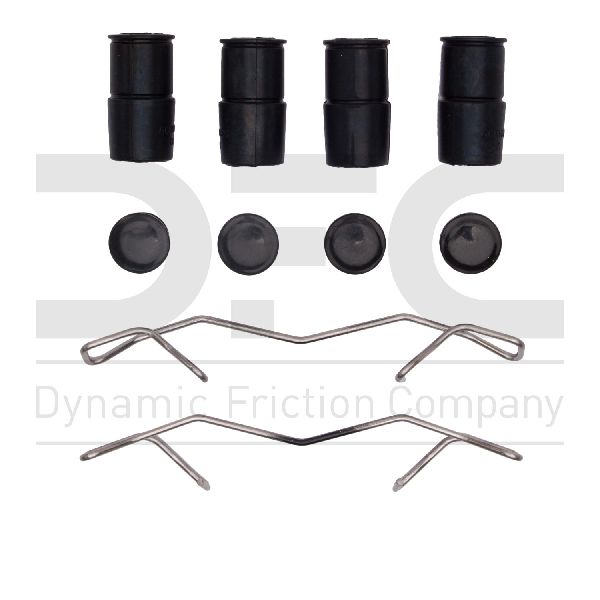
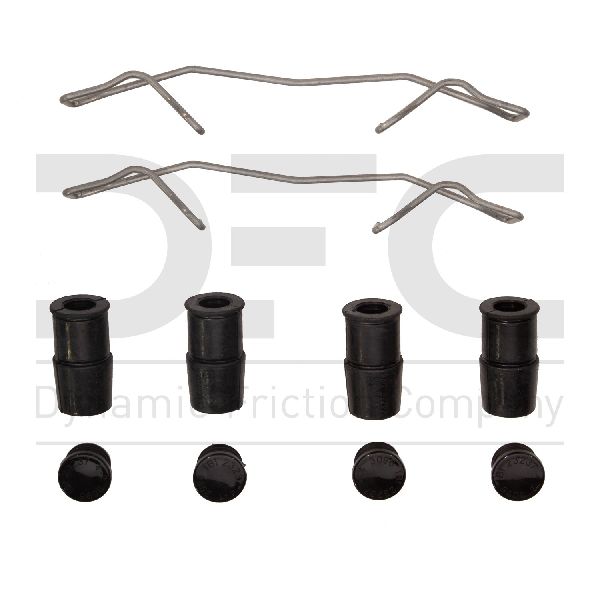
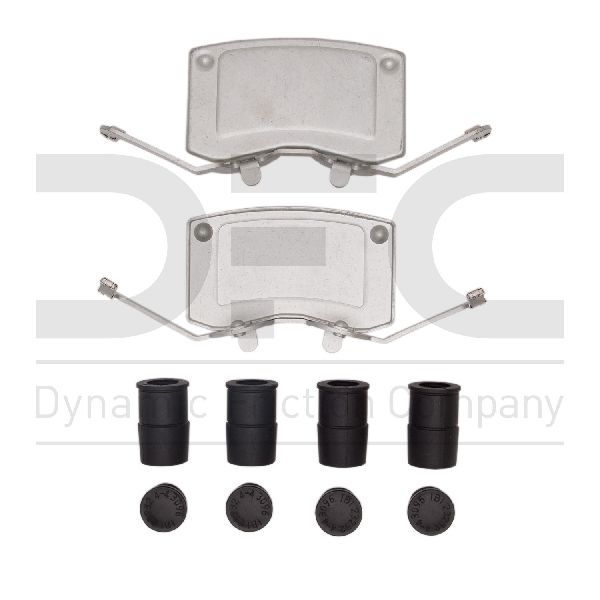
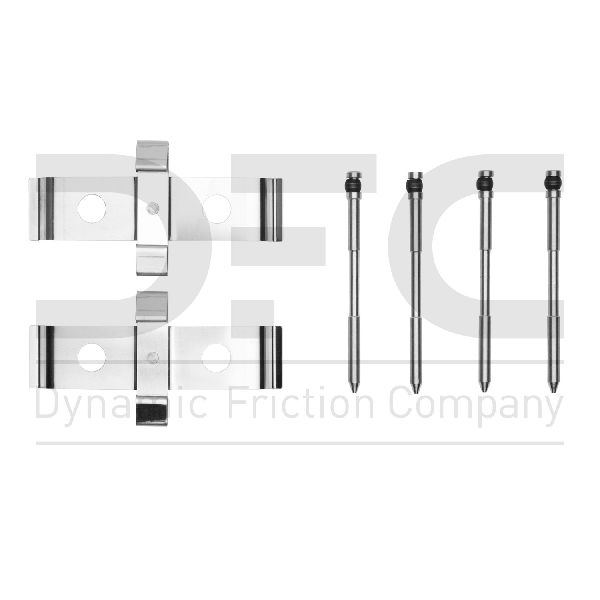
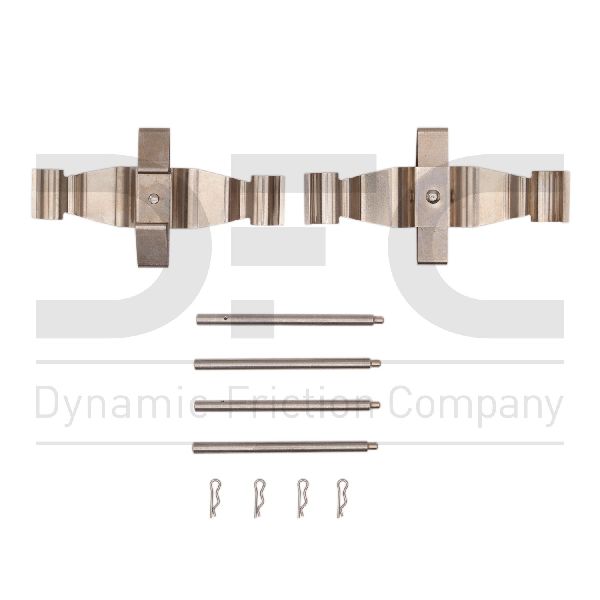
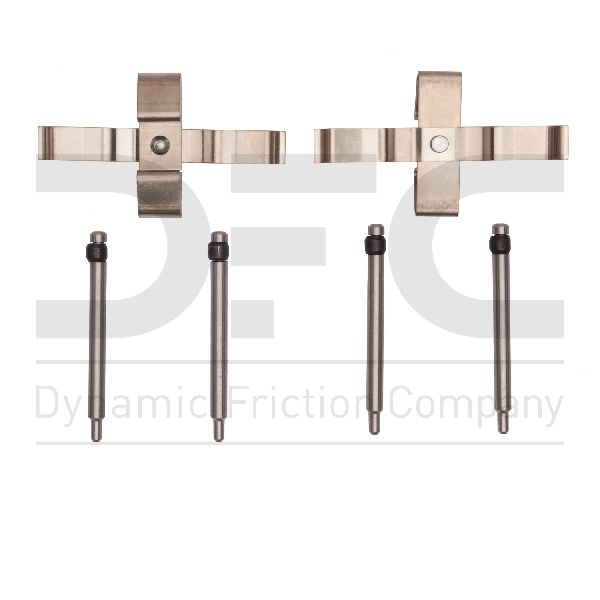
A kit for the Jaguar XJR will typically include a set of abutment clips (which the pads slide on) and anti-rattle springs for one axle (either front or rear). Some more comprehensive kits may also include new guide pin boots and lubricant.
Technical Specifications
Kit typically contains abutment clips and anti-rattle springs for one axle. Material composition varies from zinc-plated steel in economy kits to corrosion-resistant stainless steel in premium kits.
We Have This Part in Stock

The information in this article is provided for general reference and educational purposes only. Vehicle specifications, procedures, and part compatibility can vary by production date, trim level, and region. Always consult your vehicle's factory service manual and verify part numbers before purchasing or performing repairs. Safety-critical components such as airbags, seat belts, and braking systems should be installed by a qualified professional.
- Jaguar XJR: