

A Guide to the Fuel Injection Pressure Regulator for the 2004-2005 Buick Rainier
If your Buick Rainier is hard to start, running rough, or smells like gas, the fuel pressure regulator could be the culprit.
- The easiest way to confirm failure is to check for fuel in the vacuum line attached to the regulator.
- If the regulator has failed, you MUST check your oil for gas contamination and perform an oil change if needed to prevent engine damage.
- Replacement is a simple DIY job for most, requiring basic tools and less than an hour.
- Choosing a quality brand like Delphi (OEM) is highly recommended over budget options for this critical part.
Is Your Rainier's Fuel Pressure Regulator Failing?
On the 2004-2005 Buick Rainier, the fuel pressure regulator often fails in a specific way: the internal diaphragm tears. This small tear creates a big problem. The part is connected to the engine's intake by a vacuum hose. When the diaphragm ruptures, the engine's vacuum sucks raw gasoline through this hose and directly into the intake manifold.
CRITICAL: Check Your Oil Immediately
If your regulator has failed and is leaking fuel into the engine, some of that raw gas can seep past the pistons and mix with your engine oil. Gasoline-thinned oil does not lubricate properly and can cause catastrophic engine damage. If you suspect a bad regulator, pull the oil dipstick and smell it. If it smells like gasoline, you must change the oil and filter when you replace the regulator.
Symptoms of a Bad Fuel Pressure Regulator
- Hard Starting, Stalling, or Sputtering: Excess fuel flooding the engine makes it difficult to start and run smoothly.
- Black Smoke from Exhaust: This is a classic sign of unburned fuel exiting the tailpipe because the engine is running too rich.
- Strong Fuel Smell: You might smell raw gas around the engine bay or notice it on your oil dipstick.
- Gasoline in the Vacuum Line: Pulling the small vacuum hose off the regulator is the key diagnostic test. If you see or smell gas in this hose, the regulator is bad and needs replacement.
- Poor Fuel Economy: Dumping unneeded fuel into the engine will cause you to visit the gas station more often.
Choosing the Right Aftermarket Regulator
Not all aftermarket parts are created equal. For a critical component like this, brand quality matters. Here’s a breakdown of the available brands for your Rainier.
- Tier 1 (OEM Equivalent): Delphi
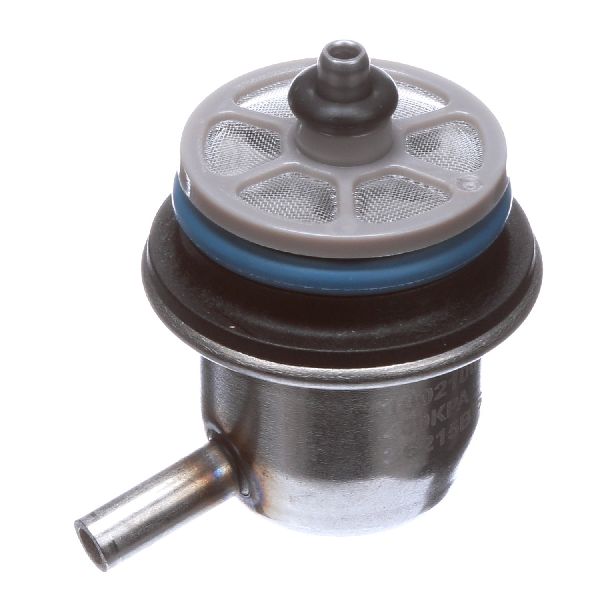
Delphi was an original equipment (OE) supplier for General Motors. Choosing a Delphi regulator is the closest you can get to buying the part from a Buick dealer, ensuring original fit, performance, and reliability. For peace of mind, this is the top recommendation. - Tier 2 (Premium Aftermarket): Standard Ignition (SMP)
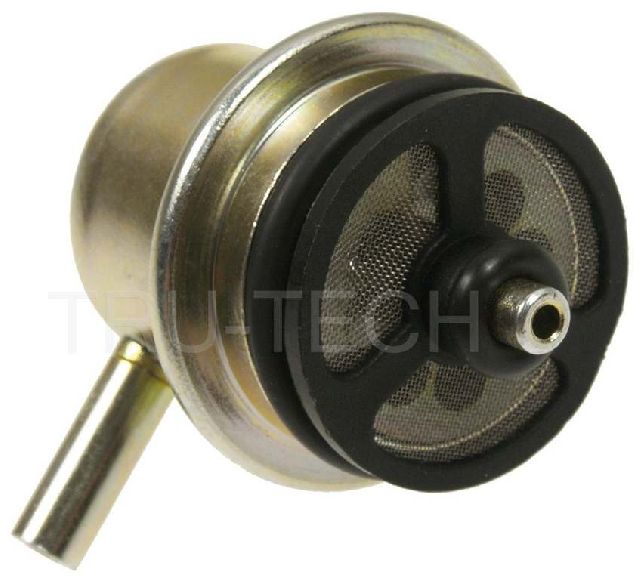
Standard Motor Products is a long-standing, reputable aftermarket manufacturer known for quality parts. Their main line of regulators (avoiding the lower-cost "T-Series") is a reliable alternative to OEM and a solid choice for this repair. - Tier 3 (Value Brands): True Tech & Others
Brands like True Tech are typically positioned as budget-friendly options. While the lower price is appealing, there is little public information available about their manufacturing or long-term reliability for this specific part. For a component that can cause significant engine issues if it fails, opting for a Tier 1 or Tier 2 brand is a safer investment.
| Part Type | Estimated Cost |
|---|---|
| New OEM (ACDelco) | $140 - $160 |
| New Aftermarket (Premium) | $98.87 - $143.19 |
| Shop Labor | $100 - $180 |
Frequently Asked Questions (FAQ)
How can I be sure my fuel pressure regulator is bad?
The most definitive test is to locate the regulator on the fuel rail, start the engine, and then carefully pull the small vacuum hose off of it. If gasoline drips out of the regulator's vacuum port or is present in the hose, the internal diaphragm has failed and the part must be replaced. This is the most common failure mode for this part on the Rainier.
Is replacing the fuel pressure regulator a DIY job?
Yes, for most people with basic tools. The job involves relieving the fuel system pressure, removing two T30 Torx bolts, and swapping the old regulator for the new one. It is located on the fuel rail and is generally easy to access. The entire job can usually be done in under an hour.
Are there any recalls for this part on my Buick Rainier?
No, there are no specific recalls for the fuel injection pressure regulator on the 2004-2005 Buick Rainier. There was a special coverage program for a cracked fuel tank inlet on some 2004 models, which can also cause a fuel smell, but it is a separate issue from the regulator itself.
What happens if I don't replace a bad fuel pressure regulator?
Ignoring this problem is dangerous and can lead to very expensive repairs. A constant rich fuel mixture can damage your catalytic converter. More critically, if fuel is leaking into your engine oil, it will destroy the oil's ability to lubricate, leading to rapid and severe engine wear or complete failure. There is also a fire risk associated with leaking fuel in the engine bay.
Technical Specifications
OEM Part Numbers: 17113536 19245530 17113517 89060420 12574986
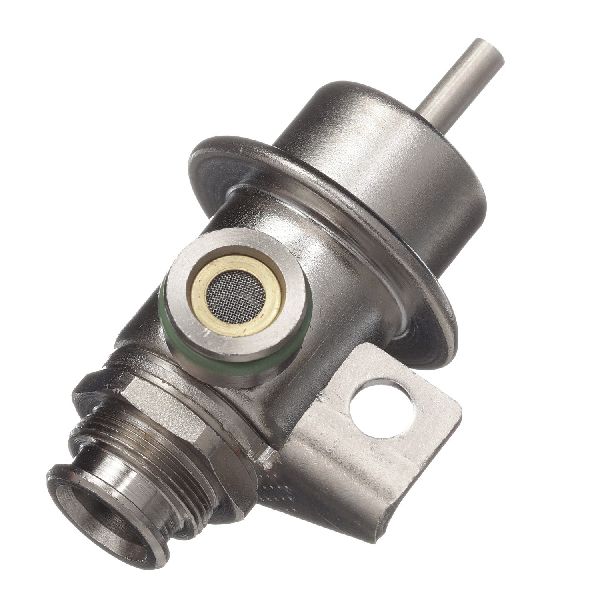
Vacuum-assisted, fuel rail mounted mechanical pressure regulator. Requires two T30 Torx bolts for installation.
We Have This Part in Stock


The information in this article is provided for general reference and educational purposes only. Vehicle specifications, procedures, and part compatibility can vary by production date, trim level, and region. Always consult your vehicle's factory service manual and verify part numbers before purchasing or performing repairs. Safety-critical components such as airbags, seat belts, and braking systems should be installed by a qualified professional.
- Buick Rainier: