

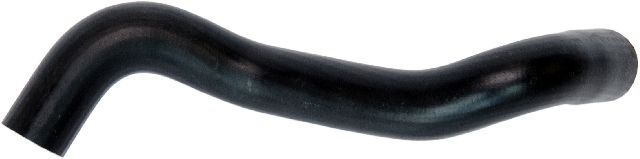
Lexus RX330 (2004-2006) Radiator Coolant Hose: A Complete Guide
Protect your V6 engine from overheating by learning the symptoms of a bad radiator hose and how to choose the best replacement for your RX330.
- Inspect hoses regularly for swelling, cracks, or pink crusty leaks, which are signs of failure.
- For best results, choose OEM hoses or premium aftermarket brands like Gates and Continental for their superior fit and quality.
- Always use factory-style spring clamps for a reliable seal; avoid worm-gear clamps which can cause leaks.
- It is highly recommended to replace the thermostat and radiator cap at the same time as the hoses.
Symptoms of a Failing Radiator Hose
Radiator hoses are wear-and-tear items. Made of rubber, they break down over time from constant heat, pressure, and exposure to chemicals. It's critical to inspect them regularly and replace them at the first sign of trouble. Look for these common symptoms:
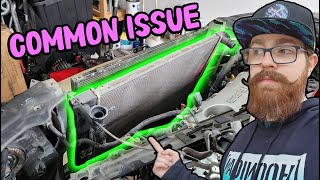
- Coolant Leaks: This is the most obvious sign. You may find puddles of pink or red fluid 🎬 Watch: Identifying a major coolant leak on a Lexus under your vehicle. You might also see pink, crusty residue around the hose connections, which is dried Lexus/Toyota coolant. Leaks are most common where the hoses connect to the radiator or engine.
- Visible Damage: Inspect the hoses when the engine is cool. Look for cracks, splits, or hardening, which indicate the rubber is old and brittle.
- Spongy or Swollen Hoses: If a hose feels soft, spongy, or looks swollen, it is failing internally and could burst at any moment. A swollen end can even cause the hose to pop off the radiator.
- Engine Overheating: If a hose is leaking significantly or has collapsed internally, it can't circulate coolant effectively. This will cause your engine's temperature gauge to climb into the red zone, which is a critical situation.
Choosing the Right Aftermarket Radiator Hose
When replacing your RX330's radiator hoses, you have a choice between Original Equipment Manufacturer (OEM) and aftermarket parts. While OEM provides a guaranteed fit, high-quality aftermarket brands offer a reliable and more affordable alternative.
Brand Quality Tiers
| Tier | Brands | Assessment |
|---|---|---|
| OEM (Dealer) | Lexus / Toyota | Guaranteed perfect fit and quality, but at the highest cost. The original hoses are typically made by suppliers like Sumitomo. |
| Premium Aftermarket | Gates, Continental | Generally considered the best aftermarket options. Gates is a known OEM supplier for many car brands and is praised for its near-OEM fit and quality. Continental is another top-tier manufacturer. These brands engineer their hoses to resist electrochemical degradation, a leading cause of failure. |
| Standard Aftermarket | Dayco | While a well-known brand, some mechanics and DIYers report that Dayco hoses can have fitment issues, sometimes being a different thickness which makes using the original clamps difficult. They are a budget-friendly option, but require careful installation. |
Pro Tip: Use the Right Clamps
Many mechanics strongly recommend using the original factory-style spring clamps instead of worm-gear clamps. Worm-gear clamps can cut into the hose and fail to maintain consistent tension as temperatures change, leading to leaks. Also, be aware that some owners have noted the lower radiator outlet on the RX330 is slightly oval-shaped, making a good seal with the correct clamp type even more important.
Known Issues, Recalls, and TSBs
There are no specific recalls or Technical Service Bulletins (TSBs) for the radiator hoses on the 2004-2006 Lexus RX330. However, there was a warranty enhancement program for some 2004-2005 models due to radiators cracking at their base. 🎬 See this step-by-step RX330 radiator replacement walkthrough If the radiator is replaced, the hoses are typically replaced at the same time. A separate recall was issued for the crankshaft pulley on 2004-2005 models, but this does not directly involve the hoses.
Frequently Asked Questions (FAQ)
How often should I replace my RX330's radiator hoses?
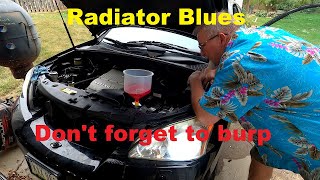
There is no fixed schedule, but it's wise to inspect them during every oil change. As a preventative measure, many mechanics recommend replacing them when you do other major cooling system services, like a timing belt and water pump replacement (around 90,000 miles), or after about 8-10 years, regardless of mileage.
Can I drive with a leaking radiator hose?
No. A small leak can become a catastrophic failure without warning. Driving with a significant coolant leak will cause the engine to overheat, which can lead to warped cylinder heads and complete engine failure. If you see steam or the temperature gauge spikes, pull over immediately and turn off the engine.
Should I replace the thermostat and radiator cap with the hoses?
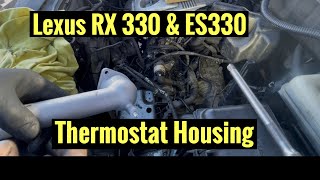
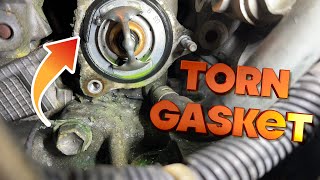
Yes, it is highly recommended. The cooling system is already drained and accessible, making it the perfect time to replace these inexpensive but critical parts. 🎬 Watch: How to replace the thermostat on the 3.3L engine A faulty thermostat or radiator cap can cause pressure and temperature issues that can damage your new hoses.
What type of coolant should I use in my 2004-2006 Lexus RX330?
You must use a pink/red Asian-vehicle compatible coolant. The official fluid is Toyota Super Long Life Coolant. Using the wrong type of coolant can lead to corrosion and damage to cooling system components, including the new hoses.
Helpful Videos
Technical Specifications
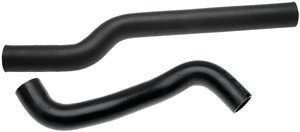
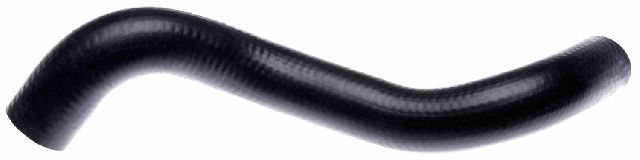
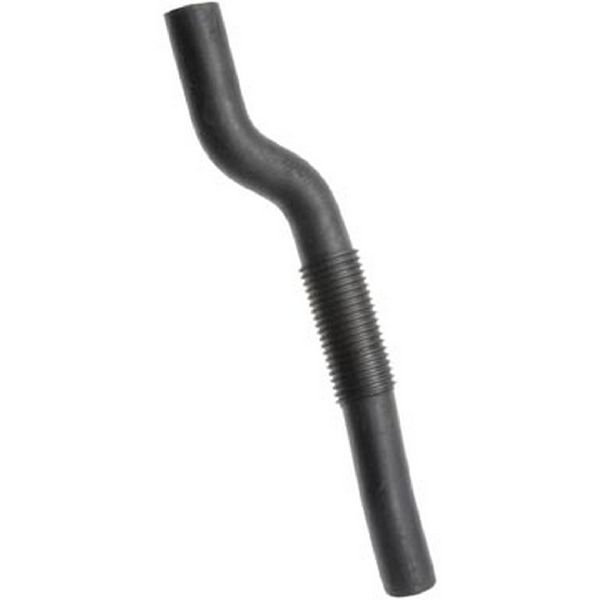
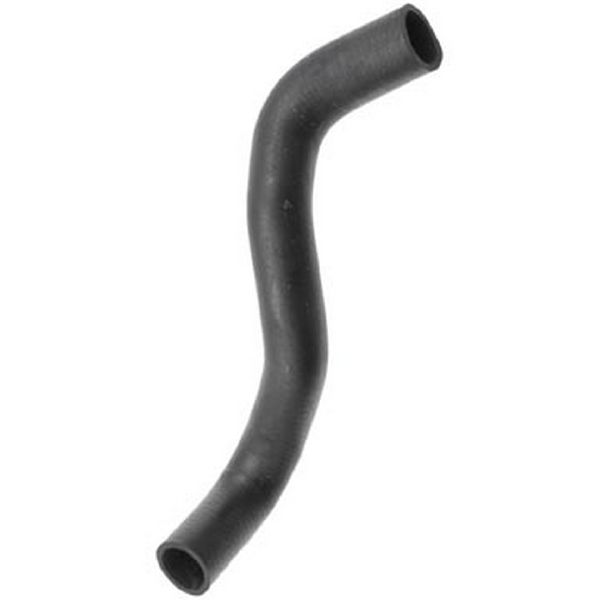
OEM Part Numbers: 16571-20080 (Upper, for 2004-2005 models) 16571-20081 (Upper, for models from 05/2005) 16572-20100 (Lower, for 2004-2006 models) 16571-0A070 (Upper, alternate) 16572-0A070 (Lower, alternate)
Molded EPDM rubber construction designed for the 3.3L 3MZ-FE V6 engine. Requires Toyota Super Long Life (pink) coolant.
We Have This Part in Stock

The information in this article is provided for general reference and educational purposes only. Vehicle specifications, procedures, and part compatibility can vary by production date, trim level, and region. Always consult your vehicle's factory service manual and verify part numbers before purchasing or performing repairs. Safety-critical components such as airbags, seat belts, and braking systems should be installed by a qualified professional.
- Lexus RX330: