

A Guide to the Engine Oil Pressure Switch for the 2004-2007 Buick Rainier
Understanding why your oil pressure gauge is giving you trouble and how to choose the right replacement switch.
- First, confirm if you have the 4.2L I6 or 5.3L V8, as the part location and repair difficulty are very different.
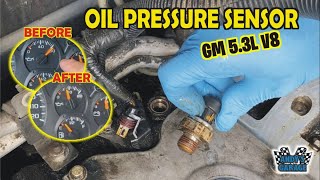
- If you have the 5.3L V8, always inspect and consider replacing the small filter screen under the sensor.
- Driving with a faulty oil pressure switch is a risk because you can't distinguish between a false alarm and true, engine-destroying low oil pressure.
- A special oil pressure switch socket is required for replacement to avoid damaging the part.
Is Your Buick Rainier Oil Pressure Gauge Acting Up?

A common issue for 2004-2007 Buick Rainier owners is an oil pressure gauge that gives faulty readings. You might see the needle drop to zero at a stoplight, only to jump back to normal when you accelerate. Or, the gauge might be stuck at its maximum reading or flicker randomly. While this can be alarming, the cause is often a failing engine oil pressure switch, not a problem with your engine's actual oil pressure.
Symptoms of a Failing Oil Pressure Switch

- Erratic Gauge Readings: The most common sign is the oil pressure gauge behaving strangely. It might drop to zero, max out, or fluctuate for no reason.
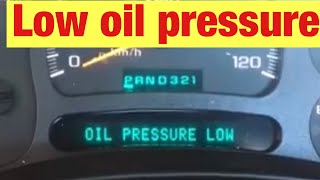
- "Low Oil Pressure" Warning: The warning message may appear on your driver information center, especially at idle, even when the engine oil level is correct.
- Oil Leaks: The switch itself can fail and leak oil. You may see oil residue on the sensor or drips on the ground below it.
- Check Engine Light: In some cases, a bad sensor can trigger the check engine light. Associated trouble codes often include P0520, P0521, P0522, or P0523.
Critical Location Difference: 4.2L I6 vs. 5.3L V8
The Buick Rainier was sold with two different engines, and the location of the oil pressure switch is completely different for each. Ordering the right part is easy, but replacing it varies greatly.
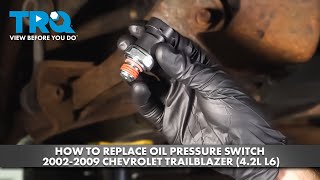
- 4.2L Inline-6 Engine: The switch is located on the lower passenger side of the engine block, just above the oil filter. It is relatively easy to access from underneath the vehicle. 🎬 Watch this step-by-step guide for the 4.2L engine replacement.
- 5.3L V8 Engine: The switch is located at the very back of the engine, behind the intake manifold, near the firewall on the driver's side. This location is much more difficult to reach. 🎬 See how to access the sensor on the 5.3L V8.
Choosing the Right Aftermarket Part

When replacing the switch, you have several options. While OEM is always a safe bet, quality aftermarket parts can offer good value. They can be grouped into different quality tiers.
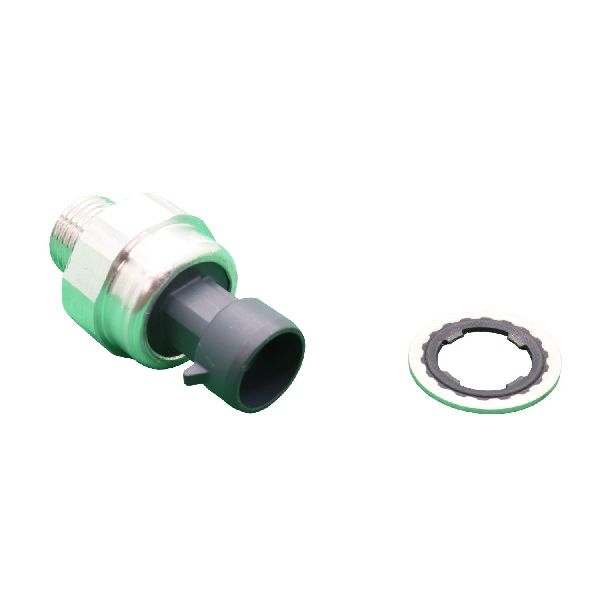
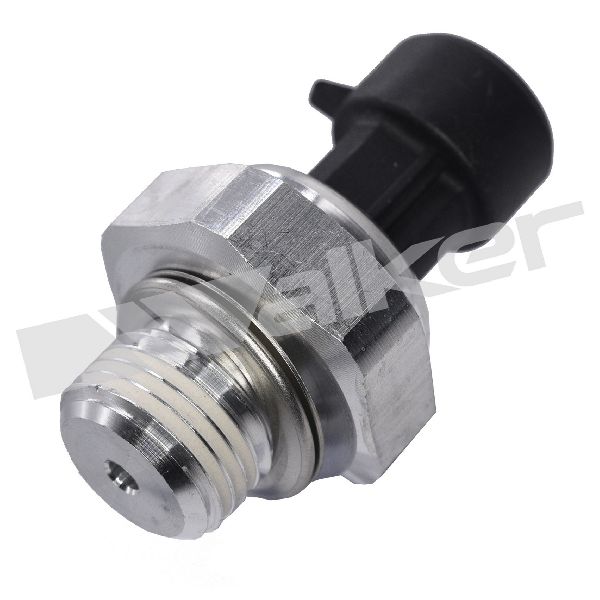
- Premium Aftermarket (e.g., Walker Products): Brands like Walker Products engineer their parts to meet or exceed original specifications and perform extensive testing. These are a reliable alternative to OEM.
- Mid-Grade Aftermarket (e.g., Standard Ignition): Standard Motor Products is a well-known brand that produces a huge range of parts. User reviews are sometimes mixed, with some experiencing long life and others seeing premature failure, but they are generally considered a decent middle-ground option.
- Economy Aftermarket (e.g., URO Parts): These brands offer the lowest price point. However, forum discussions from mechanics and DIYers suggest that budget electrical parts, like those from URO, can have a higher failure rate. They might work initially but may not last as long as higher-quality options.
Pro Tip for 5.3L V8 Owners
On the 5.3L V8 engine, there is a small, thimble-shaped filter screen in the block underneath the oil pressure switch. This screen is known to get clogged with sludge, which blocks oil from reaching the sensor and causes a low pressure reading. If you are replacing the switch on a V8, it is critical to check and either clean or replace this small filter. Many technicians simply remove it. 🎬 Watch how to properly remove and clean the filter screen. Ignoring a clogged filter will not solve your problem, even with a new switch.
Cost to Replace a Buick Rainier Oil Pressure Switch
| Part/Service | Estimated Cost |
|---|---|
| New OEM (AC Delco) Part | $50 - $90 |
| New Aftermarket Part | $28 - $83 |
| Shop Labor | $60 - $140 |
| Total Professional Replacement | $150 - $210 |
Cost estimates are for parts and labor and can vary by location and engine type. The 5.3L V8 will be on the higher end of the labor estimate due to its difficult location.
Frequently Asked Questions

Do I need a special tool to replace the oil pressure switch?
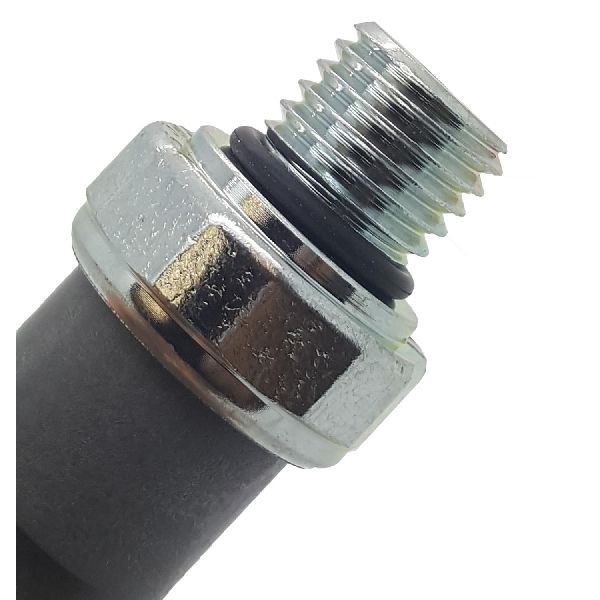
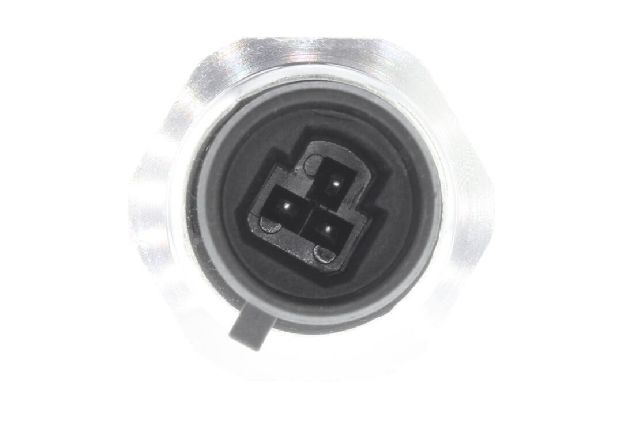
Yes, a special deep socket designed for oil pressure switches is required. It has a cutout for the plastic connector and is designed to fit the unique shape of the sensor. Using the wrong tool can easily damage the new switch.
Are there any recalls for the oil pressure switch on my Rainier?
No, there have been no specific recalls issued by the NHTSA for a faulty engine oil pressure switch on the 2004-2007 Buick Rainier.
Can a bad oil pressure switch cause my engine to run poorly?
Generally, no. The switch's primary job is to report pressure, not control engine functions. However, if the switch is leaking oil, the resulting low oil level can cause serious performance issues and engine damage.
Why did my gauge read zero but the engine sounds fine?
This is the classic symptom of a failed sensor. The sensor sends a false signal that pressure is zero when it is actually normal. If you truly had zero oil pressure, you would hear loud ticking, knocking, or grinding noises from the engine.
Helpful Videos
Technical Specifications
OEM Part Numbers: 12677836
Varies by engine (4.2L I6 or 5.3L V8). A special oil pressure switch socket (typically 1-1/16 inch) is required for installation.
We Have This Part in Stock


The information in this article is provided for general reference and educational purposes only. Vehicle specifications, procedures, and part compatibility can vary by production date, trim level, and region. Always consult your vehicle's factory service manual and verify part numbers before purchasing or performing repairs. Safety-critical components such as airbags, seat belts, and braking systems should be installed by a qualified professional.
- Buick Rainier:
- 🎬 Helpful Videos
- 🛍️ Shop This Part
- Is Your Buick Rainier Oil Pressure Gauge Acting Up?
- Symptoms of a Failing Oil Pressure Switch
- Critical Location Difference: 4.2L I6 vs. 5.3L V8
- Choosing the Right Aftermarket Part
- Pro Tip for 5.3L V8 Owners
- Cost to Replace a Buick Rainier Oil Pressure Switch
- Frequently Asked Questions
- 🎟️ Get 5% Off