

A Mechanic's Guide to the 2004-2007 Buick Rainier Knock Sensor
Stop engine knock and restore performance by understanding your Rainier's knock sensor and choosing the right replacement.
- Replacement on the 5.3L V8 is a difficult job requiring intake manifold removal; always replace gaskets and the sensor harness at the same time.
- The 4.2L I6 engine has easily accessible sensors on the side of the block, making for a much simpler and cheaper repair.
- For the V8, use premium brands like ACDelco or Delphi to avoid repeating a labor-intensive repair.
- Proper torque (15-18 ft-lbs) is crucial during installation to ensure the new sensor functions correctly.
Symptoms of a Failing Knock Sensor in a Buick Rainier
A bad knock sensor can cause several noticeable problems. The most common sign is the Check Engine Light illuminating on your dashboard. You might also hear a metallic pinging or knocking sound from the engine, especially when accelerating or under load. Other symptoms include reduced engine power, poor acceleration, and a decrease in fuel economy as the engine's computer defaults to a safe mode to prevent damage.
🎬 Watch this video to see common signs of sensor failure.Choosing the Right Aftermarket Knock Sensor
When replacing a part that is difficult to access, like the knock sensors on the V8 engine, it's wise to invest in a quality component to avoid doing the job twice. Brands fall into a few general tiers:
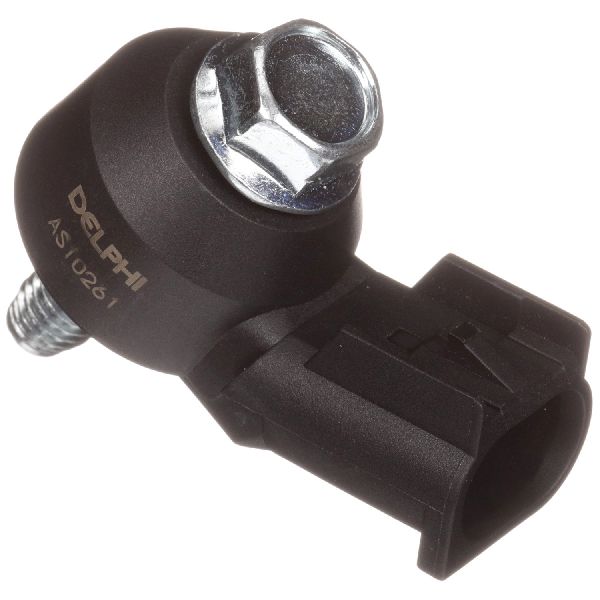
- Premium Brands (OEM-level quality): ACDelco is the original GM parts brand, and Delphi was a primary OE supplier for General Motors. For a critical and hard-to-reach sensor, choosing one of these brands is your best bet for reliability and proper function.
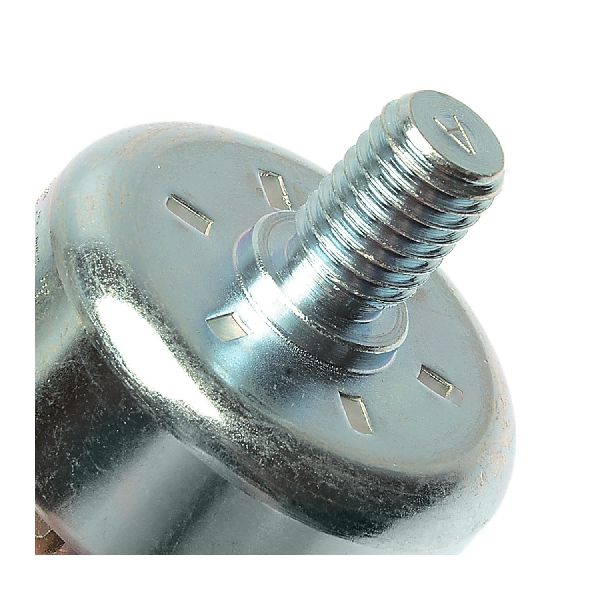
- Quality Aftermarket Brands: Brands like NGK (also known as NTK), Standard Ignition (SMP), and Beck Arnley are well-regarded in the industry. They provide a good balance of quality and value and are a solid choice for most repairs.
- Economy Brands: Brands such as Walker Products, Holstein, and True Tech offer a budget-friendly option. While functional, they may not have the same longevity or precise calibration as premium brands. These are best suited for the more easily accessible 4.2L I6 engine or if budget is the primary concern.
V8 vs. I6 Engine: A Tale of Two Replacements
The replacement process for the knock sensors differs greatly between the two engines available in the 2004-2007 Buick Rainier. On the 5.3L V8, the two knock sensors are located under the intake manifold in the valley of the engine. This is a labor-intensive job requiring the removal of the entire intake manifold. 🎬 See a step-by-step guide for replacing V8 knock sensors. It is critical to replace the intake manifold gaskets at the same time to prevent vacuum leaks. Due to the high labor cost, always use high-quality sensors and replace the wiring harness 🎬 Learn how to replace the sensors on the I6 engine. simultaneously. On the 4.2L I6, the two knock sensors are located on the side of the engine block and are much easier to access and replace.
Typical Replacement Costs
Costs can vary significantly based on your engine type and whether you do the work yourself or hire a professional.
| Part/Service | Estimated Cost |
|---|---|
| New Aftermarket Knock Sensor (each) | $14.75 - $83.98 |
| Shop Labor (4.2L I6) | $150 - $250 |
| Shop Labor (5.3L V8) | $400 - $700+ |
| Intake Manifold Gasket Set (5.3L V8) | $40 - $100 |
Pro Tip: Torque is Critical
When installing a new knock sensor, it is essential to tighten it to the manufacturer's specified torque, typically around 15-18 ft-lbs. Over-tightening or under-tightening the sensor can affect its ability to properly detect engine knock, potentially leading to the same problems you were trying to fix. Always use a torque wrench for this job.
Frequently Asked Questions
How many knock sensors does my 2004-2007 Buick Rainier have?
Both the 4.2L I6 and the 5.3L V8 engines in the Buick Rainier are equipped with two knock sensors.
Why is the replacement so much more expensive for the V8 model?
On the 5.3L V8, the sensors are located under the intake manifold. To access them, a mechanic must remove the manifold, fuel rails, and other components, which takes several hours of labor. The 4.2L I6 sensors are on the exterior of the engine block, making them much quicker and cheaper to replace.
Do I need to replace the wiring harness with the sensors?
For the 5.3L V8, it is highly recommended to replace the wiring harness that connects the two sensors. The harness is subjected to the same heat and conditions that cause the sensors to fail, and since the intake manifold is already off, replacing it is cheap insurance against future failure.
Are there any recalls for the Buick Rainier knock sensor?
A search of the National Highway Traffic Safety Administration (NHTSA) database shows no specific recalls for the ignition knock sensors on the 2004-2007 Buick Rainier.
Helpful Videos
Technical Specifications
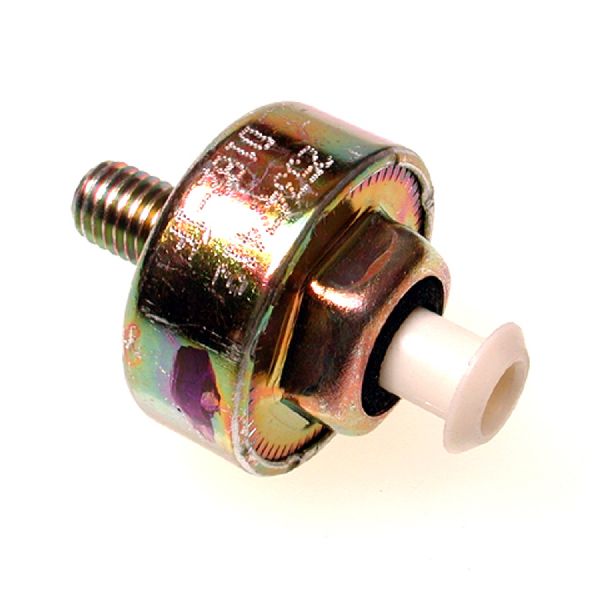
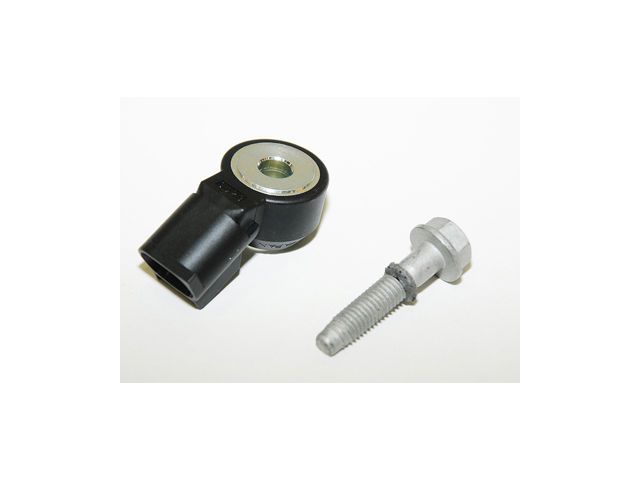
OEM Part Numbers: 12589867 10456603 213-3521
The 2004-2007 Buick Rainier uses two knock sensors. On the 5.3L V8, they are located under the intake manifold. On the 4.2L I6, they are located on the driver's side of the engine block. Proper installation torque is critical for function.
We Have This Part in Stock


The information in this article is provided for general reference and educational purposes only. Vehicle specifications, procedures, and part compatibility can vary by production date, trim level, and region. Always consult your vehicle's factory service manual and verify part numbers before purchasing or performing repairs. Safety-critical components such as airbags, seat belts, and braking systems should be installed by a qualified professional.
- Buick Rainier: