

A Guide to the 2004-2007 Mercury Monterey Crankshaft Position Sensor
Learn the signs of a failing crankshaft sensor and how to choose the right replacement for your Monterey.
- A failing crankshaft sensor on a Monterey commonly causes stalling, a no-start condition, or a P0335 check engine light code.
- There are no recalls for this specific part; replacement is a standard maintenance repair.
- The sensor is located behind the passenger-side wheel, making it a feasible DIY replacement for those with basic tools.
- Due to the critical function of this part, choosing a quality OEM (Motorcraft) or premium aftermarket brand is highly recommended over budget options.
Is Your Monterey Stalling or Not Starting?
If you own a 2004-2007 Mercury Monterey, you might experience issues like the engine suddenly stalling or having trouble starting. While these vans are known for a few common problems, a faulty crankshaft position sensor is a frequent cause of these specific symptoms. This sensor is critical, and when it fails, it can leave you stranded. Understanding its symptoms and how to choose a quality replacement can save you time and money.
Symptoms of a Failing Crankshaft Position Sensor
A bad crankshaft sensor usually gives clear warnings. Look out for these common signs:
- Check Engine Light: This is often the first sign. A code scanner will likely show the code P0335, which points directly to a problem with the crankshaft sensor's circuit.
- Engine Won't Start: The engine will turn over (crank), but it won't fire up and run. The computer doesn't know when to send spark and fuel without the sensor's signal.
- Sudden Stalling: The engine may shut off unexpectedly while you are driving, either at speed or when stopped. This is a serious safety issue.
- Rough Running and Misfires: Your engine might idle poorly, shake, or hesitate when you press the gas pedal.
- Poor Gas Mileage: When the sensor provides bad information, the engine's timing is off, leading to wasted fuel.
No Recalls for This Part
While there have been several recalls for the 2004-2007 Mercury Monterey, including for the torque converter and third-row seats, there are no official recalls or Technical Service Bulletins (TSBs) for the crankshaft position sensor itself. This means any failure is considered normal wear and tear, and the repair is the owner's responsibility.
Choosing the Right Aftermarket Sensor
When replacing the crankshaft sensor, you have a choice between the original Ford part (Motorcraft) and various aftermarket brands. For a critical part like this, quality matters.
- OEM (Motorcraft): The original part for your Monterey is made by Motorcraft. It's the benchmark for fit and reliability. If you want to guarantee it works just like the original, Motorcraft is a safe bet.
- Premium Aftermarket (e.g., Delphi, Hitachi, NGK, Standard Ignition): These brands are well-respected and often supply parts directly to car manufacturers. They are known for high quality and are an excellent alternative to the OEM part, sometimes at a better price.
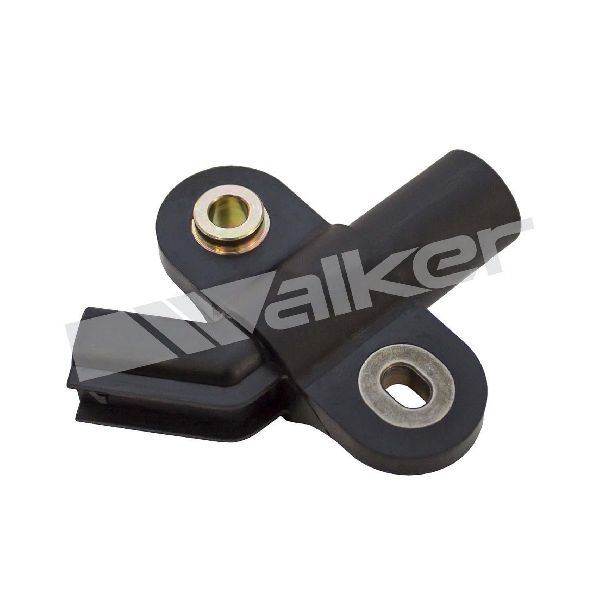
- Standard Aftermarket (e.g., Dorman, Walker Products, Spectra): These brands offer a balance of quality and price. They are a popular choice for many repairs and generally offer good performance for their cost.
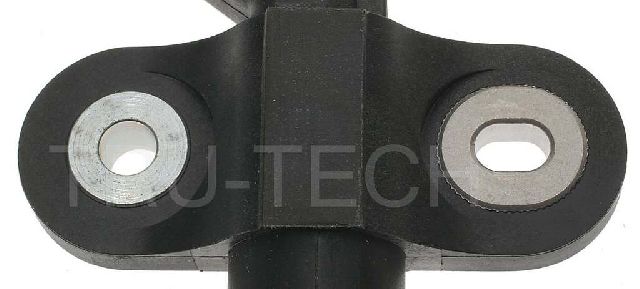
- Budget-Friendly Options: Brands like Prenco or True Tech offer a lower-cost alternative. While they can save you money upfront, their long-term durability may not match that of premium brands. For a part that can leave you stranded, it's often wise to invest in a higher-quality option.
Pro Tip: Check the Wiring
Sometimes the sensor itself is fine, but the wiring connecting it is damaged or corroded. The sensor is located at the front of the engine, where it's exposed to heat and oil. Before replacing the sensor, inspect the connector and wires for any obvious damage, as this can save you from buying a part you don't need.
Cost to Replace the Crankshaft Position Sensor
Here is a general breakdown of what to expect in terms of cost. Prices can vary based on your location and the specific brand you choose.
| Item | Estimated Cost |
|---|---|
| New Aftermarket Part | $18 - $58 |
| New OEM (Motorcraft) Part | $38 - $50 |
| Shop Labor | $60 - $90 |
| Total Estimated Cost (DIY) | $18 - $58 |
| Total Estimated Cost (at a shop) | $80 - $150 |
Frequently Asked Questions
Where is the crankshaft position sensor located on a 2004-2007 Mercury Monterey?
The sensor is on the front of the 4.2L V6 engine block, near the main crankshaft pulley (harmonic balancer). To access it, you'll typically need to remove the front passenger-side wheel and a plastic splash shield.
Can I replace this sensor myself?
Yes, this is a manageable job for a DIYer with basic tools. The sensor is held in by two small bolts. The main challenge is reaching it, which requires safely jacking up the vehicle and removing the wheel. The total time is about one hour.
What happens if I don't replace a bad crankshaft sensor?
Ignoring a failing sensor is not recommended. The stalling problem will likely get worse and can happen at any time, which is dangerous in traffic. Eventually, the sensor will fail completely, and your Monterey will not start at all, potentially leaving you stranded.
Is it better to buy an OEM or aftermarket sensor?
For this specific part, both OEM (Motorcraft) and premium aftermarket brands like Delphi, Hitachi, or Standard Ignition are reliable choices. Given that the Motorcraft part is reasonably priced, it's a strong option. However, a premium aftermarket sensor will also provide excellent, reliable performance.
Technical Specifications
OEM Part Numbers: 4F2Z-6C315-BA 1F2Z-6C315-AA XF2Z-6C315-AA F4SZ-6C315-A DY-1014
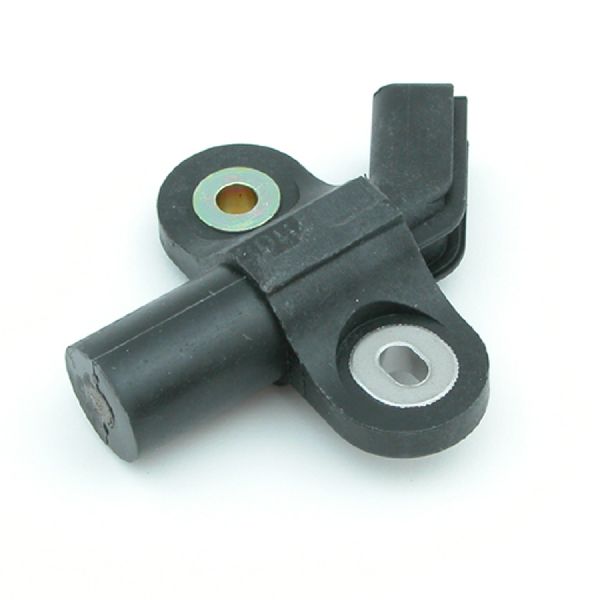
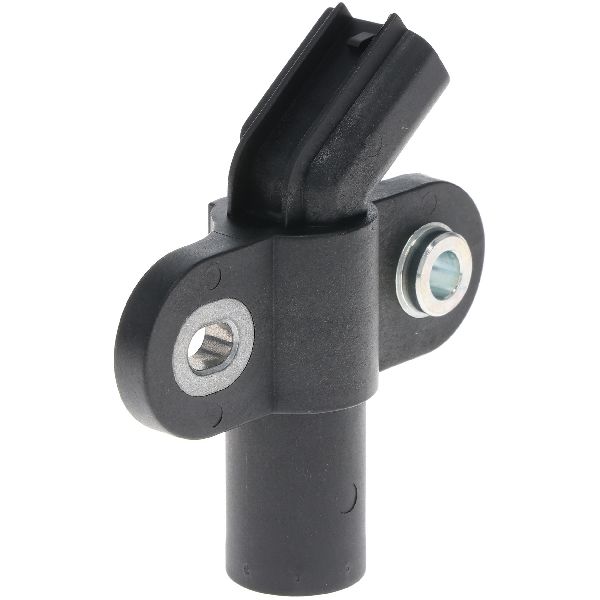
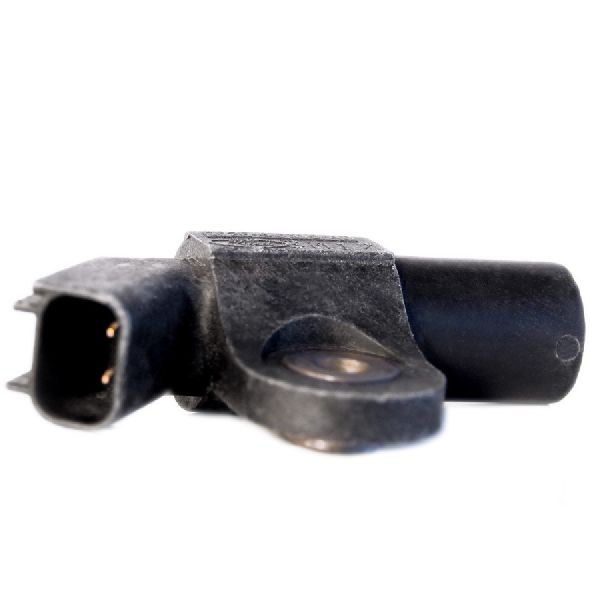
2-wire variable reluctance sensor with a 2-bolt mounting style.
We Have This Part in Stock


The information in this article is provided for general reference and educational purposes only. Vehicle specifications, procedures, and part compatibility can vary by production date, trim level, and region. Always consult your vehicle's factory service manual and verify part numbers before purchasing or performing repairs. Safety-critical components such as airbags, seat belts, and braking systems should be installed by a qualified professional.
- Mercury Monterey: