

Ford E-150 Econoline (2004-2008) HVAC Heater Hose Replacement Guide
Addressing common coolant leaks and heater problems in your Ford E-150 van.
- The primary failure point is often the brittle plastic 'T' connectors, not the rubber hose itself.
- Symptoms include a sweet coolant smell, visible leaks, engine overheating, and lack of cabin heat.
- A quality aftermarket brand like Gates is a reliable and cost-effective alternative to OEM parts for this repair.
- If you have a small leak, do not delay the repair, as it can quickly lead to engine overheating and major damage.
Is Your E-150's Heater Hose Failing?
If you own a 2004-2008 E-150, you're likely familiar with its workhorse reputation. However, the plastic components used in the engine's cooling system can become brittle over time. The HVAC heater hose assembly, particularly its plastic T-connectors, is a known weak point that can lead to coolant leaks. Addressing this issue promptly is key to avoiding engine overheating.
Key Failure Symptoms
- Sweet Smell of Coolant: A distinct, sweet, fruity odor inside the van is the most common sign of a heater hose or heater core leak.
- Visible Coolant Leaks: Puddles of green, orange, or yellow fluid under the front passenger side of your van point to a leak in the cooling system. Check the hoses and their connections for drips or chalky residue.
- Engine Overheating: A significant coolant leak will cause your engine's temperature gauge to climb, which can lead to serious engine damage if ignored.
- No Cabin Heat: If the hose is leaking, not enough hot coolant may reach the heater core, leaving you with a cold cabin.
- Foggy Interior Windows: Coolant leaking and evaporating inside your dash can cause a greasy, hard-to-clear film on the inside of your windshield.
Known Issue: Brittle Plastic Connectors
The original heater hose assemblies on these vans use plastic T-fittings and connectors. After years of exposure to engine heat, these plastic parts become extremely brittle. They can crack or break with minimal force, often during other engine maintenance, leading to a sudden and significant coolant leak. When replacing, it's wise to handle surrounding components with care.
Choosing the Right Aftermarket Heater Hose
When your original heater hose fails, you have a choice between OEM (Motorcraft) and aftermarket parts. For a vehicle of this age, a high-quality aftermarket part is often a smart and economical choice.
- OEM (Motorcraft): These are the original parts your van was built with. While they guarantee a perfect fit, they may feature the same plastic connector design that is prone to failure over time.
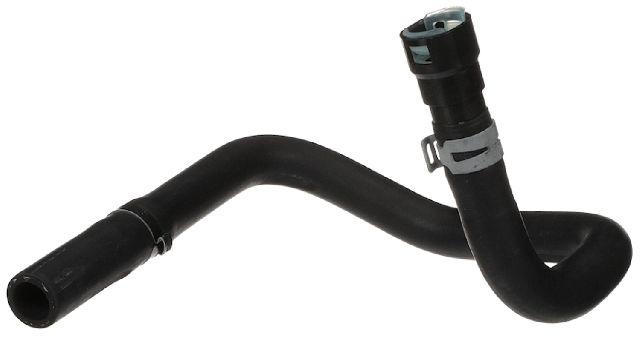
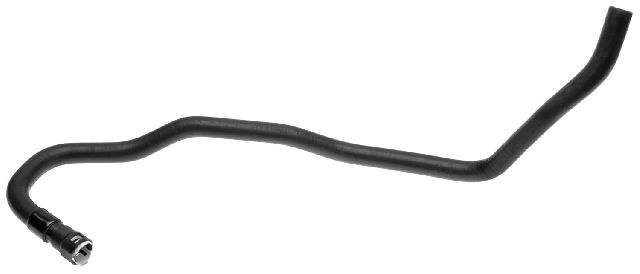
- Aftermarket (Gates): Reputable aftermarket brands like Gates specialize in rubber and cooling system components. They often produce parts that meet or exceed OEM specifications. An aftermarket assembly from Gates is engineered to resist heat and chemical degradation and can be a durable, reliable replacement for the original part.
Pro Tip: When choosing an aftermarket hose, ensure it is a "molded" hose. Molded hoses are pre-shaped with the correct bends to perfectly fit your E-150's engine bay, preventing kinks that could restrict coolant flow.
Estimated Replacement Costs
The cost to replace the HVAC heater hose can vary based on who does the work. The part itself is affordable, but labor can add up.
| Part/Service | Estimated Cost |
|---|---|
| New Aftermarket Hose Assembly | $43 - $125 |
| New OEM (Motorcraft) Hose Assembly | $75 - $150+ |
| Shop Labor | $150 - $300 (1-2 hours) |
| Total Professional Replacement | $200 - $450+ |
Note: Costs are estimates and will vary by location and specific repair shop. The job also requires a coolant drain and fill, which may add to the cost.
Frequently Asked Questions (FAQ)
Can I replace the E-150 heater hose myself?
Yes, this is a feasible DIY job for someone with moderate mechanical experience. Access to the firewall connections can be tight. You will need basic tools, a drain pan for the coolant, and possibly a special tool to release the quick-disconnect fittings at the heater core. Plan for 2-3 hours for the job.
Should I replace the hose clamps at the same time?
Absolutely. It is highly recommended to replace the old spring clamps with new ones whenever you install a new hose. This ensures a tight, leak-free seal. Many new hose assemblies will come with clamps.
My van has a rear heater. Does that use a different hose?
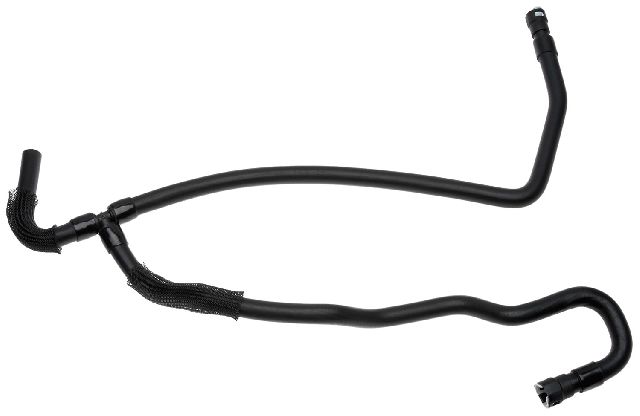
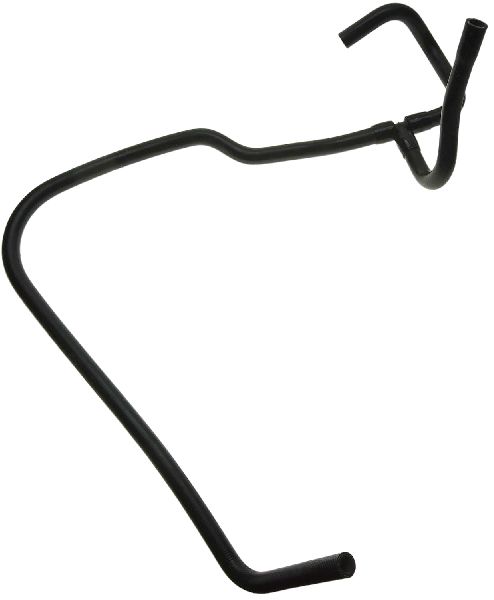
Yes. Vans equipped with an auxiliary rear heater have a more complex set of hoses. Ensure you are ordering the correct part for your van's specific configuration. Check if your van has the rear HVAC unit and verify the part description before purchasing.
What type of coolant should I use to refill the system?
For these model years, Ford typically specified Motorcraft Premium Gold Engine Coolant (a G-05 type). Always check your owner's manual or a reliable service guide to confirm the correct coolant type and color for your specific vehicle to prevent cooling system damage.
Technical Specifications
OEM Part Numbers: BC2Z-18472-CA 2C2Z-18472-BA 5L3Z-18472-E 4l3z18472ba
Molded rubber (EPDM) and plastic construction. May include quick-disconnect fittings for the firewall and spring-style hose clamps. Assemblies vary for models with and without auxiliary rear heaters.
We Have This Part in Stock

The information in this article is provided for general reference and educational purposes only. Vehicle specifications, procedures, and part compatibility can vary by production date, trim level, and region. Always consult your vehicle's factory service manual and verify part numbers before purchasing or performing repairs. Safety-critical components such as airbags, seat belts, and braking systems should be installed by a qualified professional.
- Ford E-150 Econoline: