

Ignition Coil Guide for the 2004-2008 Kia Sportage
Everything you need to know about replacing the ignition coils on your second-generation Kia Sportage.
- Identify your engine (2.0L I4 or 2.7L V6) as they use different coil systems and parts.
- For the 2.7L V6, it is highly recommended to replace all six coils and spark plugs at once due to the difficult access of the rear bank.
- Stick with reputable aftermarket brands like NGK, Delphi, or Hitachi for reliability and longevity.
- A flashing check engine light indicates a severe misfire; you should pull over and stop driving to prevent expensive catalytic converter damage.
Understanding Ignition Coil Failure in Your Sportage

If your 2004-2008 Kia Sportage starts running poorly, a failing ignition coil is a common suspect. These coils operate under high heat and stress, and they don't last forever. When one starts to fail, it can't produce enough voltage for a strong spark, leading to a variety of noticeable symptoms. Driving with a bad coil can lead to further issues, including damage to your catalytic converter from unburned fuel, which is a much more expensive repair.
Engine Differences Matter

It is critical to know which engine your Sportage has. The 2.0L 4-cylinder and 2.7L V6 engines use different ignition coil systems and part numbers.
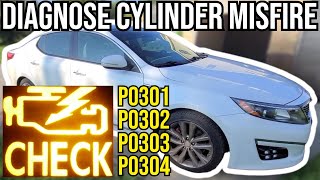
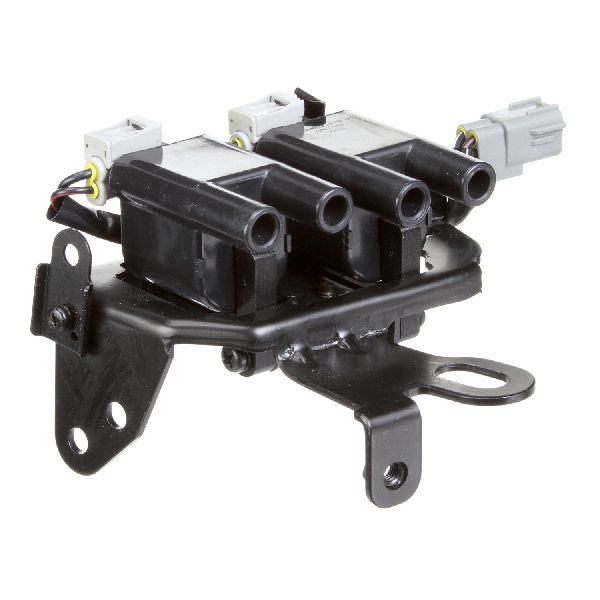
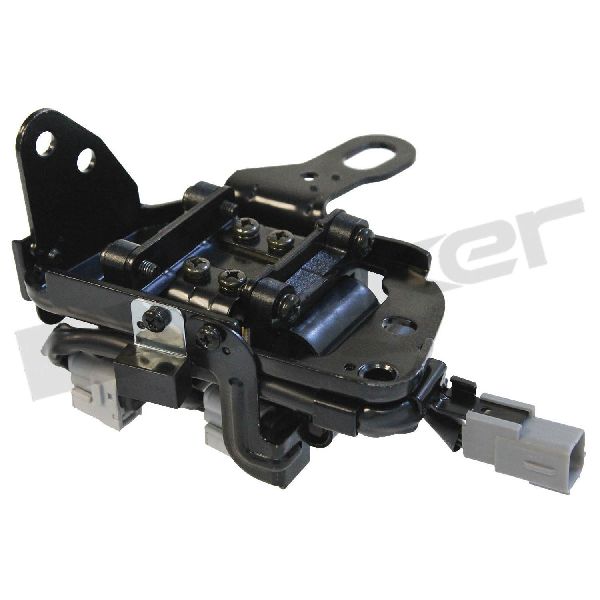
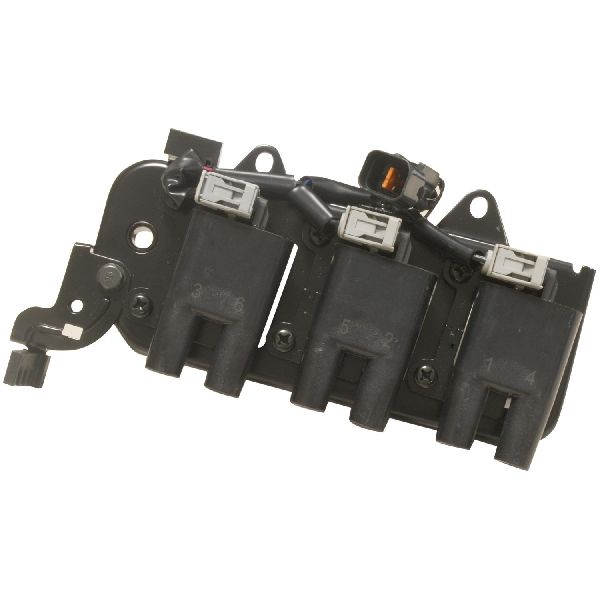
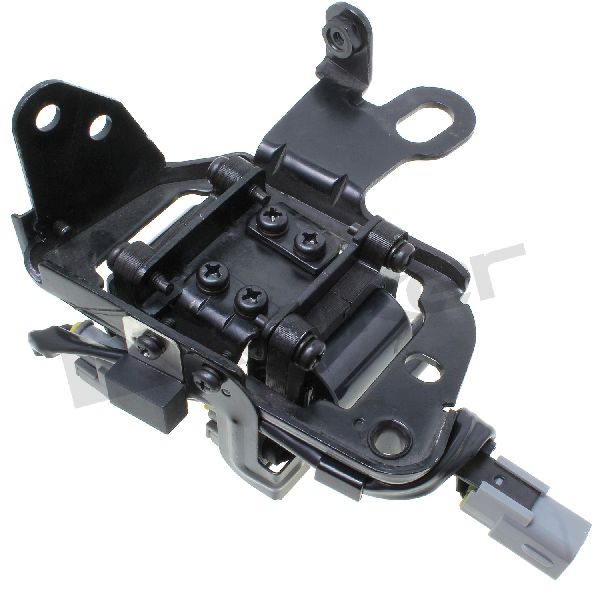
- 2.0L 4-Cylinder: This engine typically uses two ignition coils, each firing two spark plugs through spark plug wires. 🎬 See how to diagnose and fix misfire codes on the 2.0L engine. This is often called a coil pack system.
- 2.7L V6: This engine uses a Coil-on-Plug (COP) system, with one individual coil for each of the six cylinders.
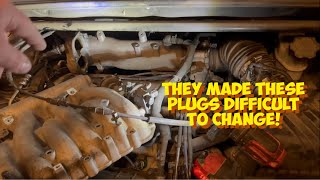
Pro Tip: For the V6 engine, it's a common practice to replace all six coils at once, especially if they are the original factory coils. The three coils on the rear cylinder bank are difficult to access (requiring removal of the intake manifold 🎬 Watch: This V6 walkthrough shows how to remove the intake manifold.), so replacing them all saves you from having to do the labor-intensive job again if another coil fails soon after.
Choosing the Right Aftermarket Ignition Coil

Not all aftermarket brands are created equal. For a critical part like an ignition coil, quality matters. Here’s a breakdown of available brands, tiered by general reputation and quality.
Tier 1: OEM Quality or Better
These brands are often original equipment manufacturers for many car brands and are known for their high quality and reliability. They are your best bet for a long-lasting repair.
- NGK: A top name in ignition components, known for excellent performance and durability.
- Delphi: A major OEM supplier with a strong reputation for quality and performance that meets or exceeds factory standards.
- Hitachi: Often an OEM supplier for Japanese vehicles, Hitachi coils are known for their reliability and high-quality construction.
- Hella: A German brand with a long history of producing high-quality automotive electronics and components.
Tier 2: Reliable Aftermarket
These brands offer a good balance of quality and price. They are a solid choice for most repairs.
- Standard Ignition (SMP): A well-known aftermarket brand that has been around for decades. Their standard "red box" parts are generally considered reliable.
- Beck Arnley: This brand often sources parts from various manufacturers, including OEM suppliers, to match the original part's form and function.
- Spectra: Offers a range of engine management parts that are considered a decent-quality alternative to premium brands.
Tier 3: Economy Options
These brands focus on providing the most affordable options. While they can get your vehicle back on the road, their longevity and performance may not match the higher-tiered brands.
- DriveWire
- Encore Automotive
- Global Parts
- True Tech
- Walker Products
- Motorad
A Note on "Too Good to Be True" Prices
Be cautious of extremely cheap, unbranded ignition coils found on marketplace websites. These often use lower-quality materials and windings that can fail quickly, leaving you stranded and having to do the repair all over again.
Frequently Asked Questions

Should I replace all my ignition coils at once?
For the 2.7L V6, it is highly recommended to replace all six coils at the same time. The labor to access the three rear coils is significant, so doing them all at once is cost-effective. For the 2.0L I4, you can replace only the failed coil, but if the coils are old, replacing both as a set is good preventive maintenance.
Do I need to replace my spark plugs with the ignition coils?
It is a very good idea. Worn spark plugs can put extra strain on the ignition coils, causing them to fail prematurely. Since you already have everything apart, replacing the spark plugs at the same time is a smart move. Always use high-quality spark plugs like those from NGK or Denso.
What are the OBD-II codes for a bad ignition coil?
A generic random misfire code is P0300. Specific cylinder misfire codes range from P0301 (Cylinder 1) to P0306 (Cylinder 6). The code will tell you which cylinder is misfiring, which helps you locate the faulty coil.
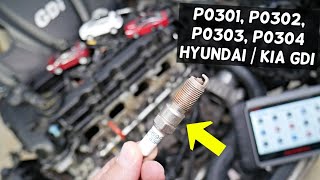
🎬 Watch this guide to troubleshooting P0301-P0304 misfire codes on your Sportage.Why is the V6 coil replacement so much more expensive at a shop?
The cost difference is almost entirely due to labor. On the 2.7L V6 engine, the front three coils are easy to access, but the rear three are located under the upper intake manifold. This manifold must be removed to get to the coils, which adds several hours to the job.
Helpful Videos

Technical Specifications
OEM Part Numbers: 27301-37150 (For 2.7L V6) 27301-23900 (For 2.0L I4)
The 2.7L V6 uses six individual Coil-on-Plug (COP) ignition coils. The 2.0L I4 uses a dual-coil pack system.
We Have This Part in Stock


The information in this article is provided for general reference and educational purposes only. Vehicle specifications, procedures, and part compatibility can vary by production date, trim level, and region. Always consult your vehicle's factory service manual and verify part numbers before purchasing or performing repairs. Safety-critical components such as airbags, seat belts, and braking systems should be installed by a qualified professional.
- Kia Sportage:
- 🎬 Helpful Videos
- 🛍️ Shop This Part
- Understanding Ignition Coil Failure in Your Sportage
- Engine Differences Matter
- Choosing the Right Aftermarket Ignition Coil
- Tier 1: OEM Quality or Better
- Tier 2: Reliable Aftermarket
- Tier 3: Economy Options
- A Note on "Too Good to Be True" Prices
- Frequently Asked Questions
- 🎟️ Get 5% Off