

Chrysler Cirrus & Sebring Power Steering Pump Guide (2004-2010)
Dealing with a whining or stiff steering wheel? Here's what you need to know before replacing the power steering pump on your Chrysler.
- Verify if you have a 2004-2006 (JR) or 2007-2010 (JS) model, as the parts are not interchangeable.
- A whining noise is the most common failure symptom, but always check fluid levels first.
- Always flush the system and use Mopar ATF+4 fluid when installing a new pump to prevent damage.
- Due to mixed reviews on remanufactured parts, a new aftermarket pump is often a safer investment.
A Note on Vehicle Names: Cirrus vs. Sebring
This guide covers the power steering pump for the 2004-2010 Chrysler Cirrus and its North American equivalent, the Chrysler Sebring. In the United States and Canada, the Chrysler Cirrus name was discontinued after the 2000 model year and replaced by the Sebring. However, in the Mexican market, the vehicle known as the Sebring in the U.S. was sold as the Chrysler Cirrus from 2001 to 2010. This article applies to both vehicles, but it's critical to know which generation you own, as the parts are different.
- 2004-2006: This is the second-generation Sebring (JR platform), a continuation of the model launched in 2001.
- 2007-2010: This is the third-generation Sebring (JS platform), which was a complete redesign.
Crucial Note: Power steering pumps are NOT interchangeable between the 2004-2006 and 2007-2010 models. Always verify your vehicle's exact year and engine (2.4L, 2.7L, or 3.5L) before ordering a part.
Is Your Power Steering Pump Failing?
A bad power steering pump usually gives clear warning signs. If you notice these symptoms, it's time to inspect the system before the problem gets worse.
- Whining or Groaning Noises: This is the most common symptom. It's a constant whine that gets louder when you turn the steering wheel and is often caused by low fluid or a worn-out pump.
- Stiff Steering Wheel: If turning the wheel suddenly requires much more effort, especially at slow speeds, the pump is likely not providing enough hydraulic pressure.
- Fluid Leaks: Finding reddish or light brown fluid puddles under the front of your car is a sure sign of a leak. While hoses can leak, the pump itself has seals that can fail over time.
- Vibrating Steering Wheel: A vibration felt in the steering wheel, especially at idle, can sometimes point to a problem with the pump or the serpentine belt that drives it.
Known Issues, Recalls, and Bulletins
While the pump is a common wear-and-tear item, there are some specific issues to be aware of for this platform:
- 2010 Hose Recall (NHTSA 10V475000): Chrysler recalled some 2010 Sebring models built between July and August 2010 for a power steering pressure hose that could separate. This could cause a sudden loss of fluid and steering assist. Leaking fluid near an ignition source could also result in a fire.
- Cold Weather Hose Failure: Transport Canada investigated issues on 2007-2010 Sebrings where power steering return hoses could fail in extremely cold temperatures, leading to a loss of steering assist.
- Steering Shudder/Moan (TSB): Some 2007 models were subject to a Technical Service Bulletin (TSB) for a "honk/moan on hard left hand turns." Related TSBs for similar platforms suggest this can sometimes be fixed by replacing a return hose or adding a cooler, indicating the system is sensitive to fluid flow and temperature.
Choosing the Right Aftermarket Pump
For a vehicle of this age, a new aftermarket power steering pump is a practical and cost-effective choice. The quality of aftermarket parts can vary, so it's important to understand the options.
Cardone is a prominent brand in the aftermarket, offering both new and remanufactured parts. Reviews for their power steering pumps are mixed. Some users have success, while others report premature failures or issues right out of the box. Often, new parts from any brand are considered a more reliable choice than remanufactured ones, which can have inconsistent quality. Given the labor involved, investing in a higher-quality new pump can prevent having to do the job twice.
Pro Tip: Flush the System and Check Hoses
When you replace the power steering pump, it is critical to flush the entire system to remove old, contaminated fluid and any metal shavings from the failing pump. Also, inspect the power steering hoses. They can become brittle and crack over time. Replacing them along with the pump is a smart preventative measure.
Cost to Replace a Chrysler Sebring Power Steering Pump
| Part/Service | Estimated Cost |
|---|---|
| New Aftermarket Pump | $96 - $201 |
| OEM Mopar Pump (New/Reman) | $270 - $450+ |
| Shop Labor | $342 - $501 |
| Total Professional Replacement | $450 - $775+ |
Frequently Asked Questions (FAQ)
What kind of power steering fluid does my Sebring/Cirrus need?
Chrysler specifies Mopar ATF+4 Automatic Transmission Fluid for the power steering system. Using the wrong fluid can damage seals and the new pump. Always verify with your owner's manual.
Why is my new power steering pump whining?
The most common cause is air trapped in the system. The system must be properly bled by turning the steering wheel from lock to lock several times with the engine running. Other causes could be a slipping belt, a fluid restriction, or a defective new pump.
Do I need to replace the pulley?
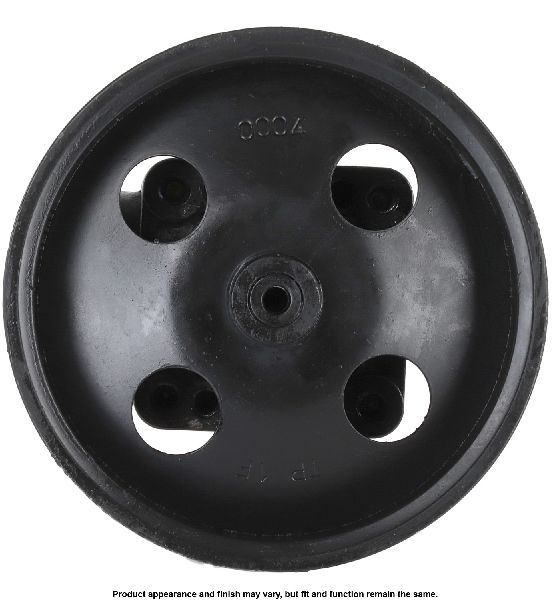
Most aftermarket pumps do not include a pulley. You will need to transfer the pulley from your old pump to the new one using a special puller/installer tool. Attempting to hammer the pulley on or off will damage it and the pump.
Can I replace the pump myself?
This is a moderately difficult job. It requires removing the serpentine belt, draining the fluid, and accessing the pump, which can be in a tight space. You will also need a special tool to transfer the pulley. It is feasible for an experienced DIY mechanic, but a beginner may find it challenging.
Technical Specifications
OEM Part Numbers: R5151016AE
Belt-driven hydraulic pump. Requires ATF+4 specification fluid. Pulley is typically not included and must be transferred from the old unit.
We Have This Part in Stock



The information in this article is provided for general reference and educational purposes only. Vehicle specifications, procedures, and part compatibility can vary by production date, trim level, and region. Always consult your vehicle's factory service manual and verify part numbers before purchasing or performing repairs. Safety-critical components such as airbags, seat belts, and braking systems should be installed by a qualified professional.
- Chrysler Cirrus:
- 🛍️ Shop This Part
- A Note on Vehicle Names: Cirrus vs. Sebring
- Is Your Power Steering Pump Failing?
- Known Issues, Recalls, and Bulletins
- Choosing the Right Aftermarket Pump
- Pro Tip: Flush the System and Check Hoses
- Cost to Replace a Chrysler Sebring Power Steering Pump
- Frequently Asked Questions (FAQ)
- 🎟️ Get 5% Off